
























































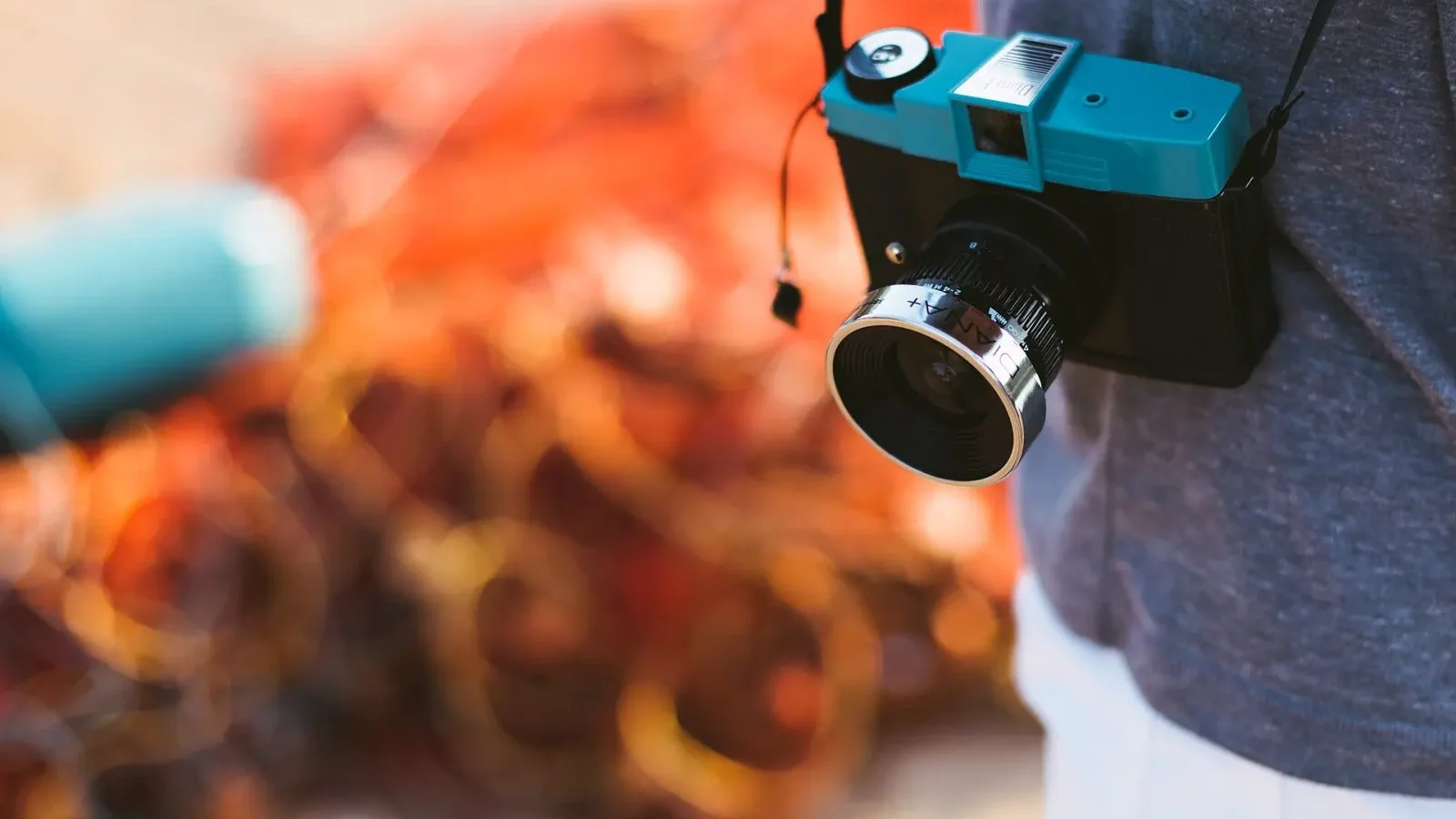
At a time when we can fit thousands of photos on a single memory card, shooting with a 36-exposure roll of film might sound strange. But when I started using the old film camera my father left me last year, my relationship with photography changed completely. Knowing that every frame has a cost made me think longer before pressing the shutter. And waiting days for the results brought back an excitement I had forgotten. In this post I tell the story of my return to analog photography.
In this article
- The patience of thirty-six frames
- Developing and the joy of waiting
- Tips for getting started
The patience of thirty-six frames
Thirty-six frames seem restrictive at first glance, but at some point they become liberating. After loading each roll, knowing you have a limited number of frames changes the way you choose your scenes. You start waiting on a street corner, watching for the moment the light falls just right and not firing off needless bursts. That awareness ultimately means fewer but far more meaningful photos.
The days when I shot a scene twenty times digitally and then picked the one I liked are behind me. On film, I set aside three or four frames for the same scene. That slows the shooting process down; and when I slow down, I observe more and think more. Thanks to film, I've started seeing the camera as a decision-making tool again. In the end, I learned to say more with fewer frames, and that has made me truly happy.
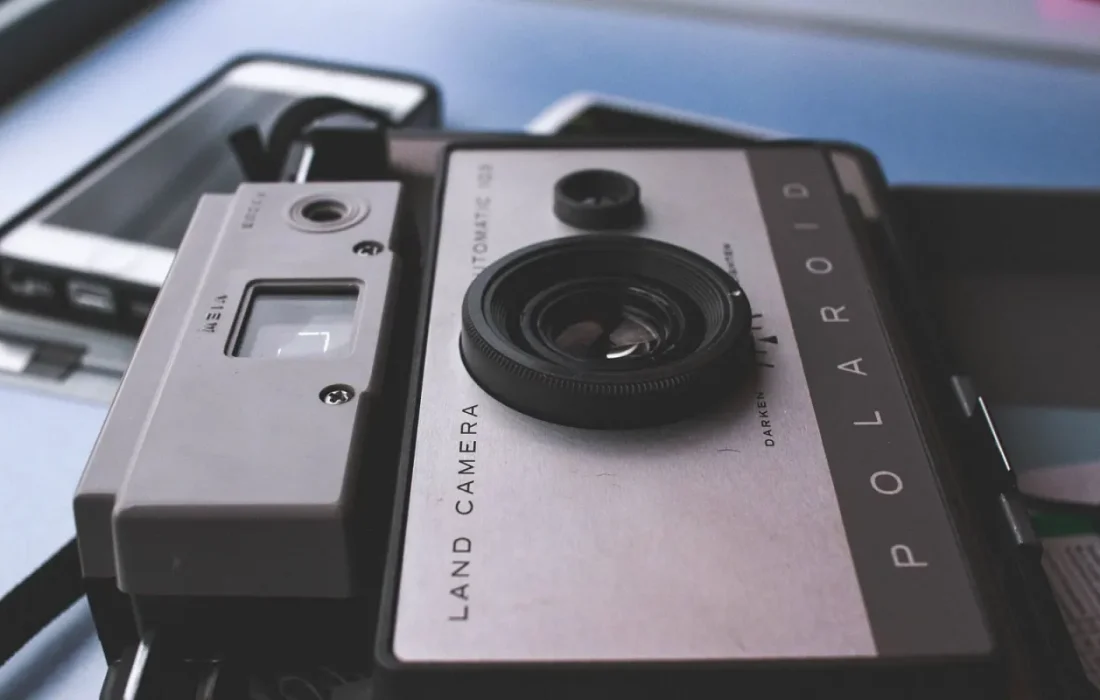
Film teaches you to treat every frame as a decision.
Ethan Brooks
Developing and the joy of waiting
The first time I went through the developing process, the excitement was even greater. My rolls sat at the lab for a week, and the moment I opened the envelope with the negatives, I felt a childlike thrill. I tried to remember what I had shot in each frame, discovering that some had failed while others were unexpectedly beautiful. This patient rhythm made photography part of a process again and gave my shooting a whole new flavor.
The pleasure of waiting replaces instant viewing. Because you don't check the result on screen right away, you focus only on the moment you're living as you shoot. When you look at a photo weeks later, the day of the shoot comes back to life. This delayed reunion strengthens photography's bond with memory, and every time it feels like a small surprise gift. The waiting is a kind of patience training, and to me it's one of the most beautiful parts of photography.
Tips for getting started
My first tip for anyone wanting to start is to use a simple mechanical camera with just one type of film. A popular medium-speed color negative film is forgiving, which makes it ideal for beginners. Shoot on days with plenty of light; film is less tolerant than digital and especially dislikes underexposure.
| Topic | Stories |
|---|---|
| Highlights | film photography, composition, darkroom |
| Reading time | 7 minutes |
| Written by | Ethan Brooks |
Key takeaways
- A limited number of frames teaches you to think more before pressing the shutter.
- Waiting days for the results adds a thrill that brings the moment of shooting back to life.
- For a first roll, a mechanical camera, medium-speed film and plenty of light are recommended.
My second tip is to build a good relationship with a lab. The quality of the scans affects how your frames look. The third is to be patient. See the mistakes on your first rolls not as personal failures but as part of the learning process. Note the settings of every shot in a notebook; learning what each setting produced when the roll comes back is the fastest way to improve.
What do you think about this post?
Leave a comment