


















































How reliable are the health sensors in smartwatches?
We compared readings from smartwatches that track heart rate, blood oxygen and sleep with medical devices. The results are promising in some areas and call for caution in others.
Table of contents
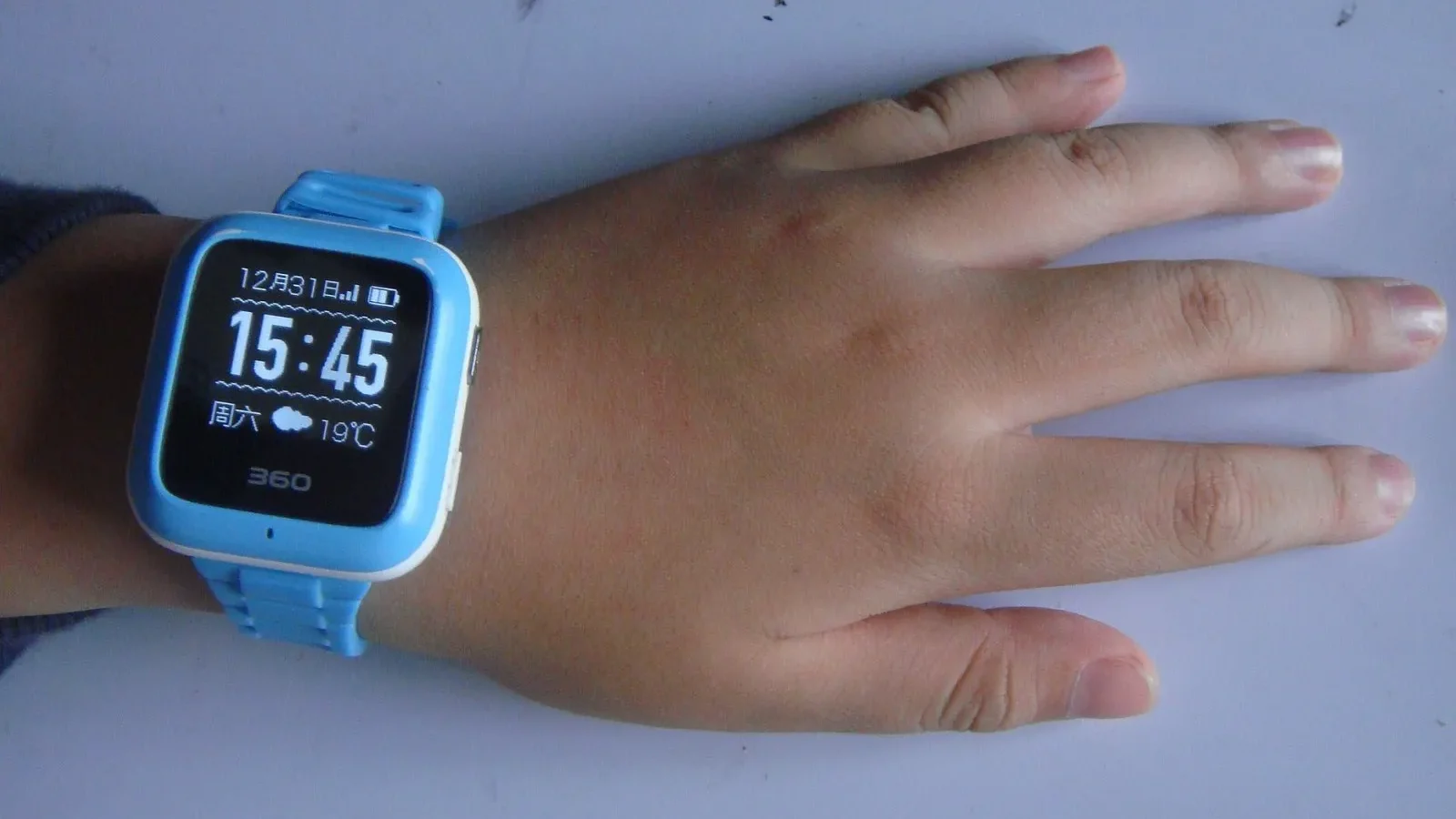
Smartwatches have become tiny health labs we wear on our wrists. But how accurate are their readings? To find out, we worked with a hospital cardiology department to compare readings from three popular smartwatches with medical devices. The watches performed very well at measuring resting heart rate. During intense exercise and in blood oxygen readings, however, the deviations were notable.
Heart rate accuracy
To test heart rate measurement, we wore three smartwatches at the same time as a chest-strap reference device. At rest and during easy walks, the watches' results were close to the reference, with an average difference of two to three beats per minute. That's consistent enough for daily tracking. We repeated each measurement on three separate days to check the consistency of the results as well.
During intense exercise, the picture changed. At rapidly changing paces such as interval runs, the watches were slow to catch the heart rate, and the deviation exceeded ten beats per minute. Factors such as how snugly the watch is worn, dry skin and light skin on the wrist affect the result. Optical sensors worn on the upper arm instead of the wrist gave better results.
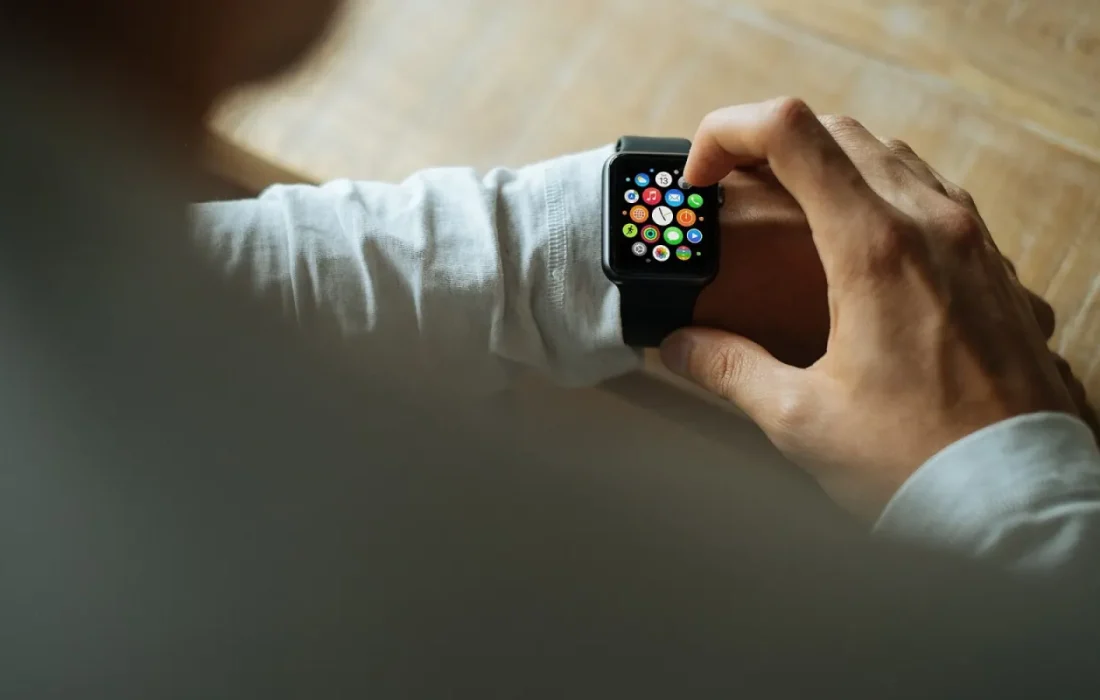
A smartwatch is an early warning tool, not a diagnostic one.
Mark Ellison
Blood oxygen and sleep data
Blood oxygen measurement is the most controversial feature on watches. At rest, the three watches' readings appeared broadly in line with medical devices; however, deviations increased during movement and when hands were cold. That's why these readings should be seen as general information, not as a diagnostic tool. The conditions under which readings were taken should always be considered when interpreting the result.
For sleep data, the watches estimated sleep duration reasonably well, but differed from lab measurements when it came to distinguishing sleep stages. Treat the breakdown of deep and light sleep as a trend, not a definitive result. Taking regular measurements for a week and looking at the average is far more meaningful than data from a single night.
How should you interpret health data?
Be careful when interpreting health data. A smartwatch is an early warning tool, not a diagnostic one. Alerts such as irregular rhythm notifications can be a sign to consult a specialist; however, the absence of an alert doesn't mean everything is fine. If you have symptoms, see a doctor instead of looking at the data. For this reason, we recommend never relying on your readings alone for a medical decision.
| Topic | Wearables |
|---|---|
| Highlights | smartwatch, comparison, review |
| Reading time | 8 minutes |
| Written by | Mark Ellison |
Key takeaways
- Resting heart rate readings came close to the reference devices.
- Deviations increased during intense exercise and in blood oxygen readings.
- A watch is good for reading trends in data, not for diagnosis.
Following trends in your data is the most valuable use: if your resting heart rate drops over time, your fitness may be improving; if your sleep keeps coming up short, it may be time to rethink your routine. Review your readings regularly in the watch's app, but avoid drawing conclusions on your own. Don't forget to check your data-sharing settings too. That way, your watch delivers real benefits.
What do you think about this post?

Leave a comment