






























































Smart rings on the test bench: Are they better than watches at sleep tracking?
We wore smart rings alongside smartwatches for a month and compared the results for sleep, heart rate and battery life.
Table of contents
With their screenless, lightweight designs, smart rings are emerging as an alternative to smartwatches, especially for sleep tracking. For a month, we wore two different smart rings at the same time as wrist-worn devices and compared the data. The rings gave very consistent results for sleep stages and overnight heart rate, but fell behind watches in workout tracking. Battery life of close to a week spares you the hassle of charging every night. However, the fact that some features require a monthly subscription should not be overlooked when weighing up the total cost.
Ring or watch?
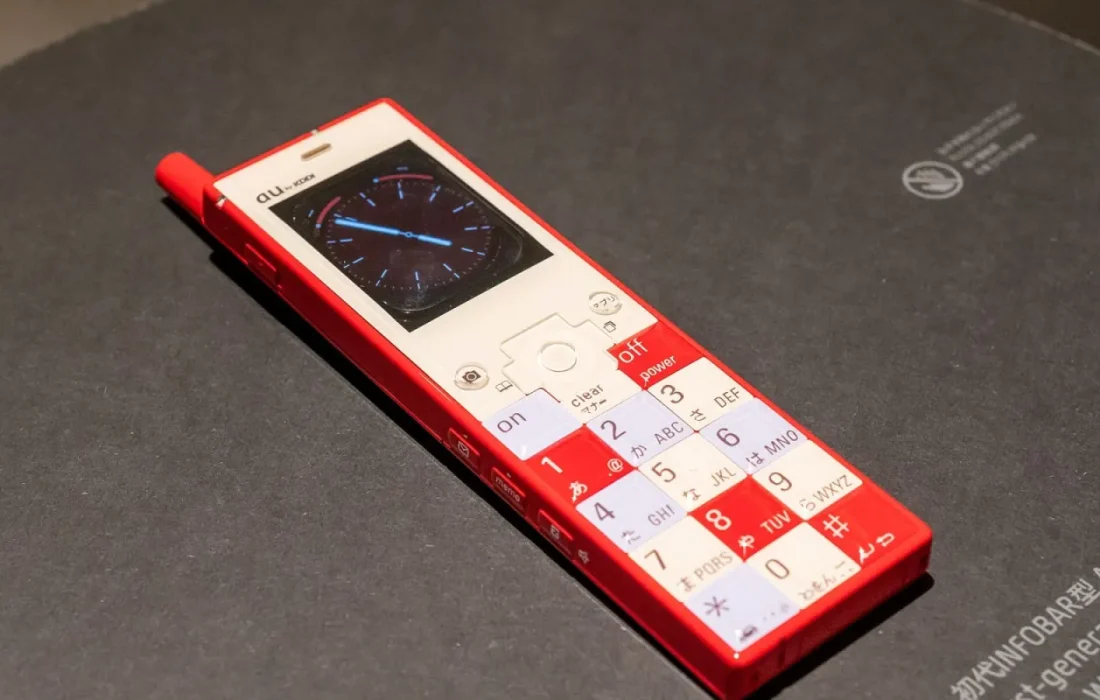
The smart ring's biggest advantage is that you forget you're wearing it. With no screen, it doesn't disturb you at night the way wrist-worn watches can, and it creates no pressure or warmth while you sleep. The titanium body is light, with rounded edges, and suits everyday wear. It's worth trying three different sizes before you buy. Its stylish look is another plus.
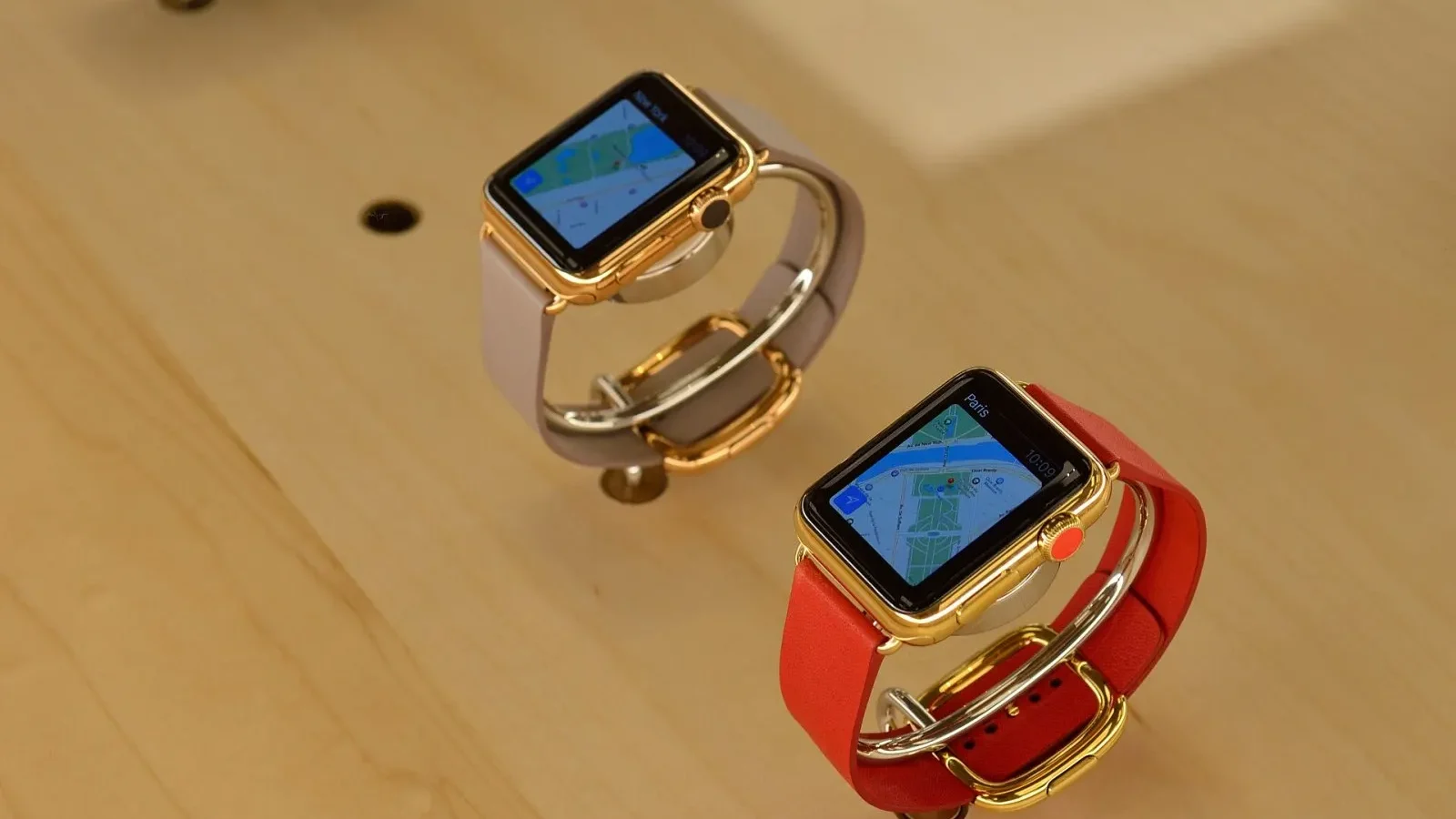
Watches have strengths of their own: notifications, a screen, quick replies and payments. For a month, we wore two different rings and two watches together. Part of the decision comes down to how you live: if you're into active sports and want real-time data, a watch makes more sense; if you want quiet, simple tracking, a ring looks like the better choice.
The best sleep tracker is the one you forget you're wearing.
Mark Ellison
How consistent is the sleep data?
For sleep stages, the rings and watches agreed on the overall trend about 80 percent of the time. The difference in total sleep time stayed under half an hour. For overnight heart rate, the rings gave more consistent results, since the blood vessels in the finger strengthen the signal. The morning scores offered similar interpretations. Each morning, we put the data from both devices side by side and noted the differences.
However, these devices are not medical instruments; keep that in mind when interpreting the data. They are valuable for tracking trends in your sleep patterns, but if you think you have a health problem, you should see a specialist. Watches still lead in workout tracking: the ring was slow to pick up heart rate during high-intensity training and offered no location data. You feel the difference when reviewing a workout afterward.
The subscription problem
Battery life is a big plus for the rings. Both models lasted between five and seven days; a small carrying case is used for charging, and a full charge takes half an hour. The watches in our test lasted two days on average. For anyone tired of frequent charging, the difference is significant. The ring got through most of the week on a single charge, and its case came in handy when traveling.
| Topic | Wearables |
|---|---|
| Highlights | smartwatch, review, battery life |
| Reading time | 7 minutes |
| Written by | Mark Ellison |
Key takeaways
- The rings are light and screenless, and don't disturb you while you sleep.
- Sleep and overnight heart rate match the watches; workout tracking is weak.
- The battery lasts a week, but some features require a monthly subscription.
The subscription model is the part to watch out for. One ring offers basic data for free but charges a monthly fee for detailed sleep analysis and coaching features. After a year, the total cost can approach the ring's original price. Before buying, we recommend finding out which features are covered by the subscription and checking whether you can use the device with a one-time payment.
What do you think about this post?

Leave a comment