


































Istanbul in winter: A two-day city guide of ferries, secondhand bookshops and soup houses
A two-day guide to Istanbul in the quieter winter months, explored through ferry crossings, old bookshops and warming soup stops.
Table of contents
Those who know Istanbul only for its summer crowds and heat are often surprised by the city in winter. Ferry rides escorted by seagulls under a gray sky, tea stalls behind fogged-up windows and the courtyards of the historic peninsula falling quiet let you experience the city at an entirely different pace. In this guide we put together a route on which we spent two days crossing between the two shores by ferry, losing ourselves among the dusty shelves of old bookshops and trying the essentials of the winter table. We designed the route to be easy to follow by public transport. We also added indoor alternatives for rainy days; don't forget your umbrella and a comfortable pair of shoes.
A morning that starts on the ferry
Starting the day on a ferry may be the best way to understand Istanbul. Short crossings from Kadıköy to Eminönü or from Üsküdar to Beşiktaş reveal the city's entire skyline on a quick trip between two continents. On winter mornings, seagulls trailing the ferry and tea and simit enjoyed behind fogged-up windows make these crossings unforgettable. Boarding the ferry with a transit card is both practical and cheap.
For those who want to explore the Bosphorus on a longer trip, cruises leaving Eminönü and running to the northern end of the strait are a good option. Sailings may be less frequent in winter, so check the timetable in advance. Along the way, waterfront mansions, fortresses and the Bosphorus bridges pass one after another. On windy days a thick coat and a hat are essential so you don't freeze on deck, though the seats in the indoor cabin also give you a comfortable view.
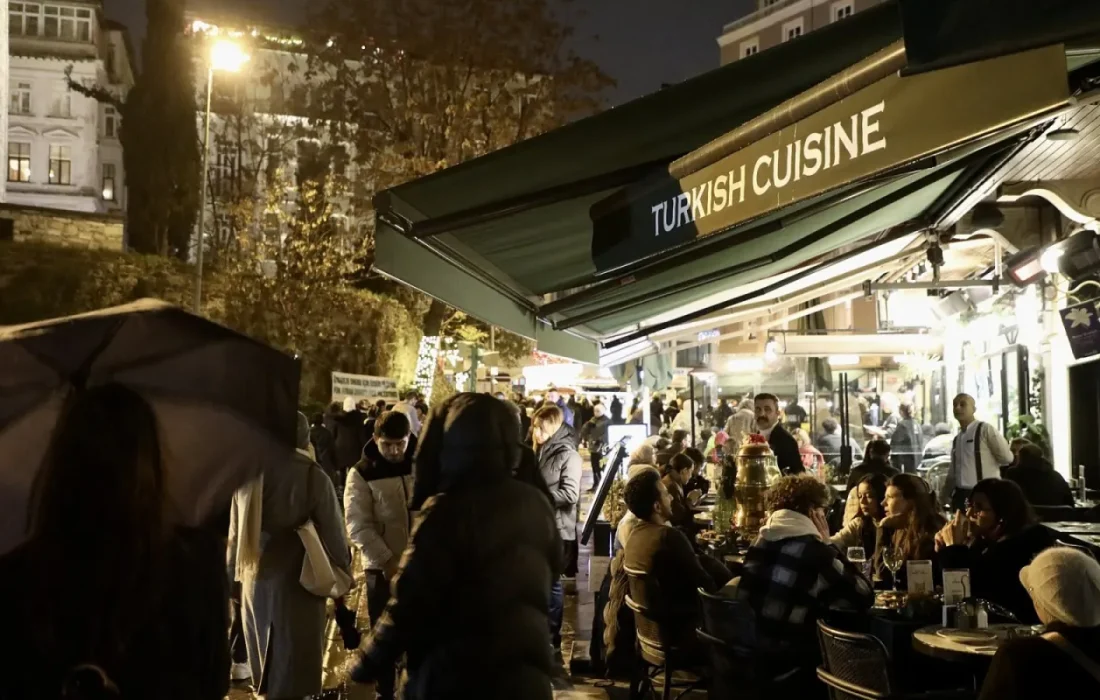
Winter in Istanbul passes more easily with a glass of tea on the deck of a ferry.
Emily Carter
The historic peninsula: Booksellers, bazaars and courtyards
Stepping off the ferry at Eminönü, you are at the perfect starting point for diving into the streets of the historic peninsula. After wandering among the spice scents of the Spice Bazaar, you can walk uphill to the Grand Bazaar and from there to the Booksellers' Bazaar in Beyazıt. With its small shops full of old books, engravings and postcards, the Booksellers' Bazaar is a real treasure for book lovers. Thinner crowds in winter make it easier to browse the shelves. For bookworms, even a few hours may not be enough, since every shop hides a different treasure on its shelves.
The historic peninsula's great mosques and their courtyards also offer a calmer visit in winter. The view of the Golden Horn from the courtyard of the Süleymaniye Mosque is one of the most striking sights in the city. When visiting, be mindful of prayer times, dress appropriately and keep quiet. On rainy days, museums, historic caravanserais and the covered sections of the bazaars are good alternatives. The colorful streets of Balat and Fener make a perfect fit for the afternoon of your second day.
The winter table: Soup, boza and warm simit
In Istanbul, winter is the season of soup houses and traditional canteens. Soup houses open from early in the morning serve lentil, ezogelin (a spiced red lentil and bulgur soup) and tripe soups that warm you up in the cold. At the canteens you can enjoy a hearty, affordable lunch of home-style stews, pilaf and stewed fruit. Corner Canteen, as we'll call it here, was on our route as one of the busiest spots on the historic peninsula at lunchtime. Choosing your meal by looking at the pots in the display window is an old tradition at these canteens.
| Topic | City Guides |
|---|---|
| Highlights | city break, historic town, weekend |
| Reading time | 7 minutes |
| Written by | Emily Carter |
Key takeaways
- Start the day on a ferry; in winter, check the times of the long Bosphorus cruises in advance.
- Walk from the Spice Bazaar to the Booksellers' Bazaar, and take a break in the Süleymaniye courtyard.
- A traditional canteen at lunch, boza in Vefa in the evening and hot chestnuts on the street.
The essential treat of a winter evening is boza. Made from fermented millet, this thick, slightly sour drink is served sprinkled with cinnamon and roasted chickpeas. The Vefa neighborhood is famous for its boza tradition. Hot chestnuts and simit bought from street vendors on an evening stroll are also among the flavors of Istanbul in winter. Ending the day with these treats is the best way to experience the city with all your senses, and the sweetest finale to our route. Watching the lights of the Golden Horn from Galata at night is another lovely way to round off your two days.
What do you think about this post?
Leave a comment