














































Europe’s panoramic rail lines: Four routes to snowy peaks from your window seat
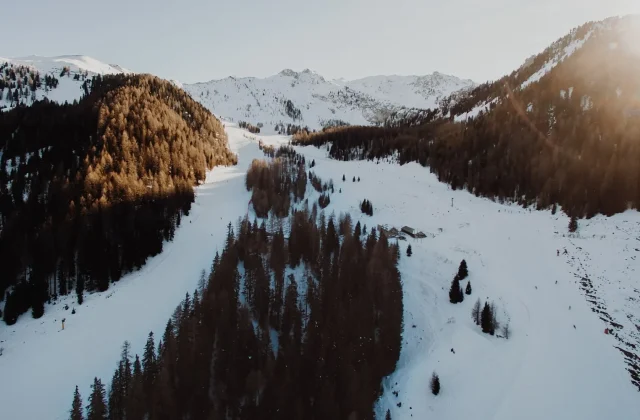
From Alpine passes to the Norwegian plateau, our video guide introduces four historic railway lines where you can watch winter's most spectacular scenery through the window.
Table of contents
Some railway lines seem to have been built not just to link two cities but to turn the journey itself into a scenic show. In winter, snow-covered viaducts, tracks skirting frozen lakes and lines winding between mountain villages make the window seat the best seat of the year. Our video guide introduces the UNESCO-listed Albula and Bernina lines in the Swiss Alps, Austria's historic Semmering railway, the Centovalli line between Switzerland and Italy, and the plateau crossing linking Oslo and Bergen in Norway. For each line we sum up the journey time, which side to sit on for the best views and how to plan your tickets.
Through the Alpine passes: The Albula and Bernina lines
The Albula and Bernina lines in southeastern Switzerland are a historic railway system added to the UNESCO World Heritage List in 2008. Built at the start of the twentieth century, the lines begin in Thusis and cross the Alps all the way to Tirano on the Italian border. There are hundreds of bridges and tunnels along the route, the most famous being the Landwasser Viaduct with its curving stone arches. Crossing this viaduct between snow-covered valleys in winter is one of the most unforgettable moments of the journey. The line is also remarkable for the way it gains altitude through spiral tunnels and hairpin curves in the mountains.
At the Bernina Pass, the train climbs above 2,200 meters (7,200 feet) and threads between glaciers, frozen lakes and snowy peaks. The descent on the Italian side is notable for the circular viaduct at Brusio. For the best views, it helps to research in advance which side to sit on depending on the direction of travel. Panoramic cars may require a reservation, but regional trains use the same line and offer a cheaper option. Taking a short Italian break once you reach Tirano is a pleasant addition to the route.
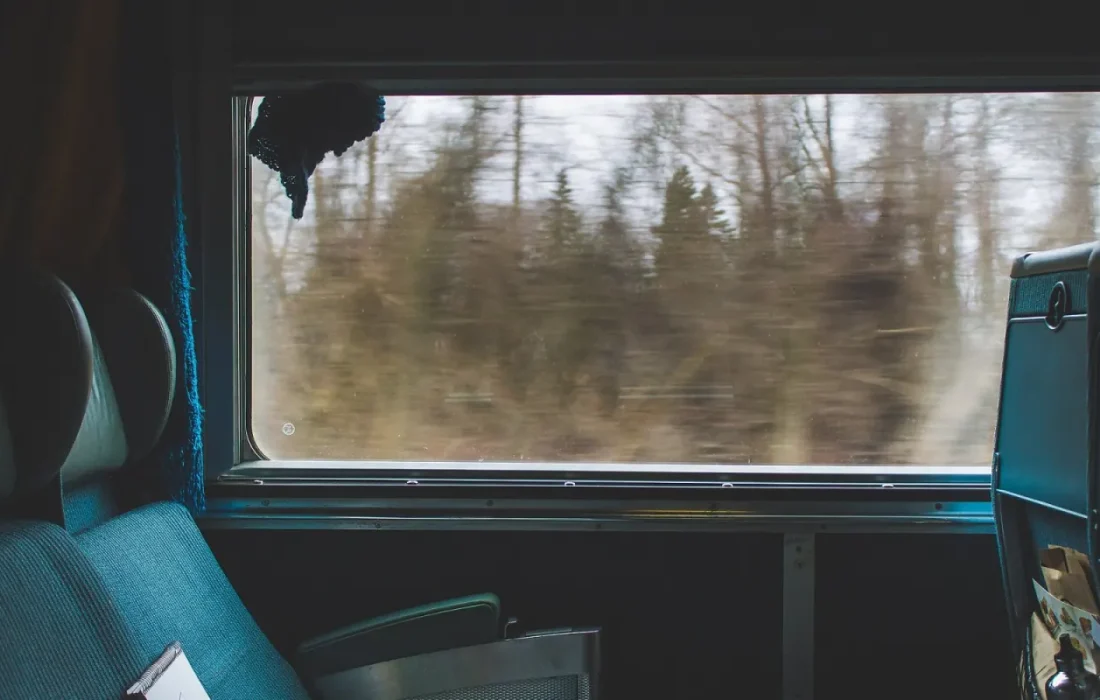
On a good train journey you open your book, but you never manage to read a single page.
Mark Ellison
Riding through history: Semmering and Centovalli
Austria's Semmering railway, completed in 1854, is a historic line regarded as one of the world's first mountain railways. Added to the UNESCO World Heritage List in 1998, it runs for about forty kilometers (25 miles) between Gloggnitz and Mürzzuschlag. Its stone viaducts and tunnels showcase the engineering achievements of the era. Easy to reach as a day trip from Vienna, the line takes on a special beauty in its winter scenery. You can also hop off at the small stations along the way for short walks.
The Centovalli line between Switzerland and Italy is a narrow-gauge railway running between Domodossola and Locarno over the hundred valleys that give it its name. Deep valleys, stone bridges, chestnut forests and small mountain villages follow one another along the route. The journey of about two hours is short but extremely scenic. In winter, the mist over the valleys and the snowy peaks lend the line an entirely different atmosphere. The middle part of our video features footage from this line.
The northern plateau: From Oslo to Bergen
The railway linking Norway's capital, Oslo, with Bergen on the west coast is one of the highest main lines in Northern Europe. Passing north of the Hardangervidda plateau, it climbs above 1,200 meters (3,900 feet) and in winter runs through the middle of a treeless landscape completely covered in snow. The endless white plains around Finse station make you feel as if you are on another planet. The area around Finse is also a favorite with cross-country skiers in winter, but conditions can be very harsh, and heading onto the plateau unprepared is dangerous.
| Topic | Routes |
|---|---|
| Highlights | train journey, winter route, Europe |
| Reading time | 8 minutes |
| Written by | Mark Ellison |
Key takeaways
- The Albula–Bernina and Semmering lines are on the UNESCO World Heritage List.
- Centovalli is short but stunning; the Oslo–Bergen line crosses a white plateau in winter.
- Research the scenic side in advance, and keep plans flexible for winter disruptions.
Over the roughly seven-hour journey, the scenery shifts from the forests around Oslo to the mountain plateau and then to the fjords of the west coast. You can also change trains at Myrdal station and descend a steep, winding branch line to the village of Flåm on the shore of a fjord. In winter, the line is sometimes disrupted by snowstorms, so keep your plans flexible and check service updates with official sources. Arriving in Bergen, the historic wooden houses around the harbor give the journey a beautiful finale.
What do you think about this post?
Leave a comment