





















































Chasing the northern lights in Norway’s fjords: A winter plan from November to March
Our gallery brings together routes, timing and photography tips for seeing the northern lights paint the sky green in the long darkness of the polar night.
Table of contents
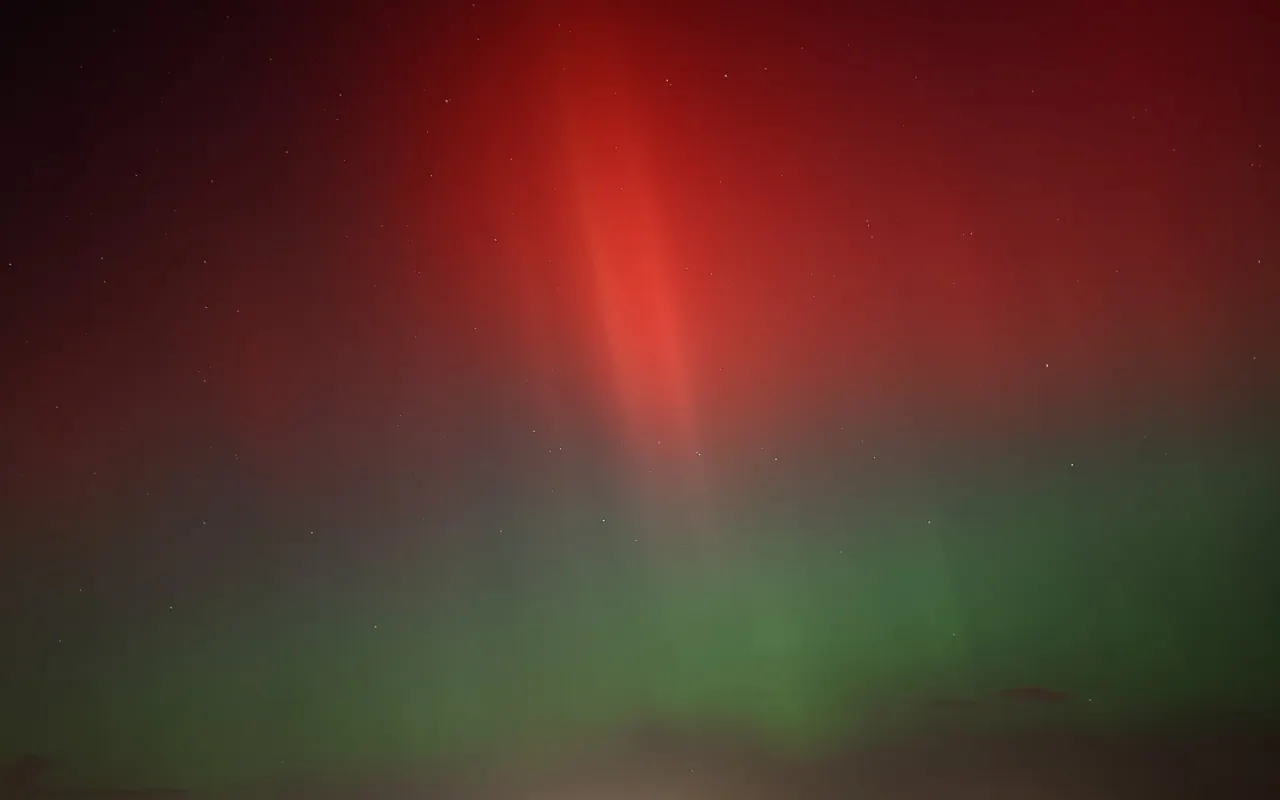
Seeing the northern lights sits near the top of many travelers' bucket lists. Norway's regions above the Arctic Circle, with their long winter nights and relatively mild coastal climate, are among the most accessible places for the experience. During the season, which runs from late September to late March, the sky can dance with green curtains, especially on clear nights with little moonlight. In this gallery we lay out, with photos, a winter plan you can build along the fjord coast, in the Lofoten Islands and in the cities of the north. Let us say it up front: the northern lights are never guaranteed, the weather decides everything and a flexible schedule is a must.
When and where? Above the Arctic Circle
The northern lights form when charged particles from the Sun interact with Earth's magnetic field and excite gases in the upper layers of the atmosphere. The best place to see them is the belt above the Arctic Circle known as the auroral oval. Northern Norway lies right inside this belt. The season runs from late September to late March, but you need darkness and clear skies to see the lights. On a cloudless night, getting away from city lights noticeably boosts your chances.
From late November to mid-January, the sun doesn't rise at all in parts of the far north; this period is known as the polar night. The polar night doesn't mean total darkness: around midday, a twilight in shades of blue and pink settles on the horizon. This special light offers photographers unique opportunities. February and March are the months when daylight slowly returns, the snow cover thickens and the weather is often more settled.
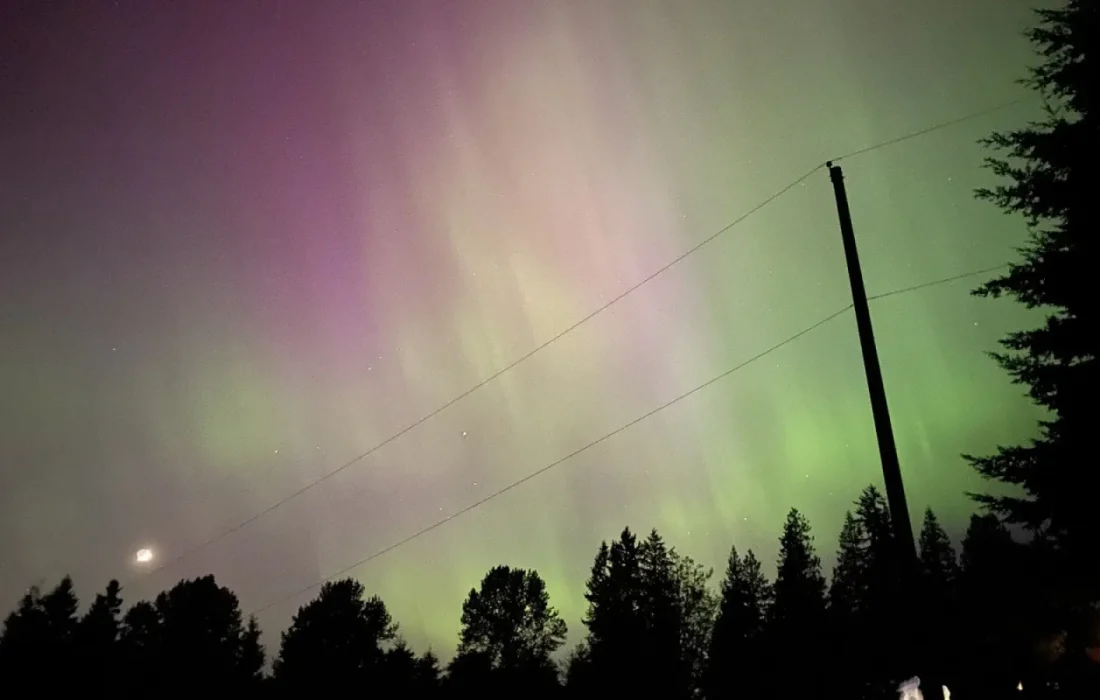
A traveler waiting for the northern lights learns that patience is a journey too.
Jake Morales
Fjords and islands: From Lofoten to Tromsø
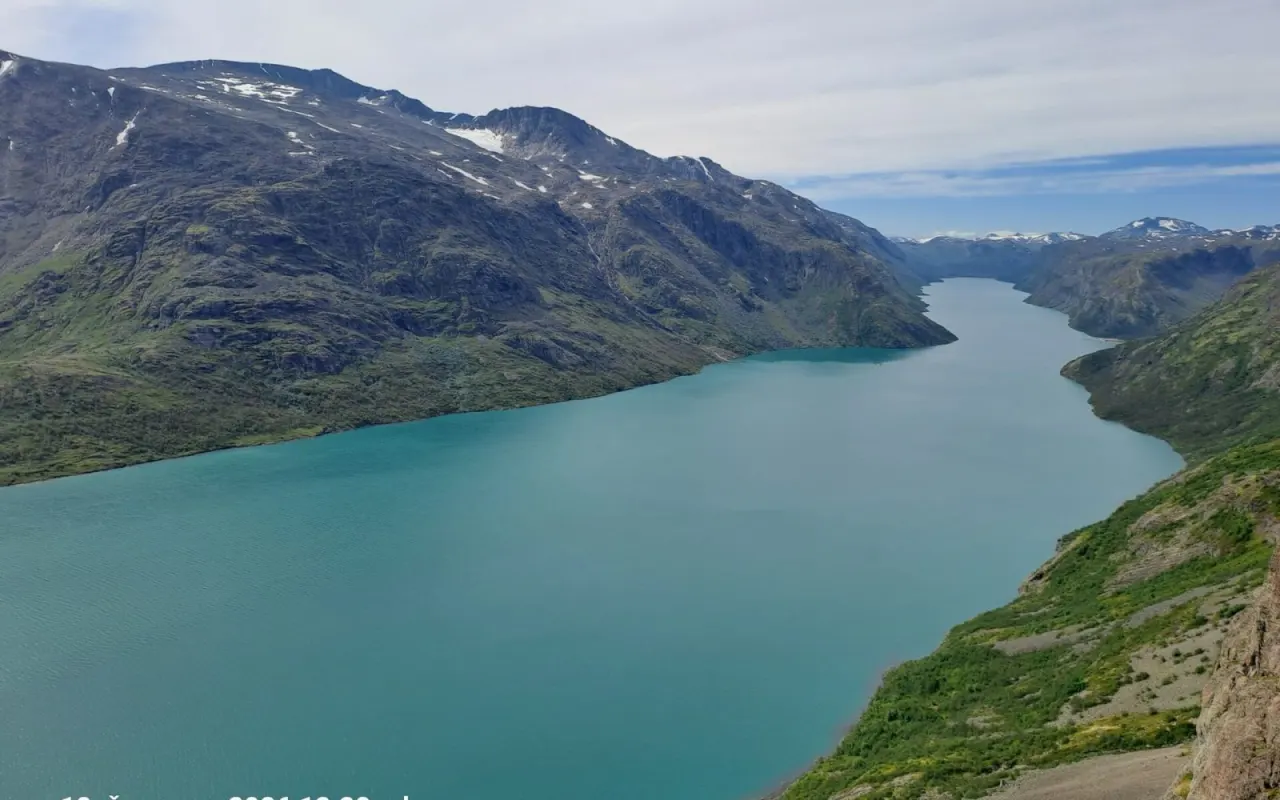
With their jagged mountains, red fishermen's cabins and narrow bays, the Lofoten Islands are one of the most photogenic regions in Norway. Watching the northern lights over the mountains and sea in winter makes for unforgettable shots. Bridges and tunnels link the islands, so you can explore by car, but driving in winter conditions takes experience. Roads can be icy and the weather can change quickly, so you need to keep a constant eye on local weather and road updates. If you lack winter driving experience, organized tours are a safer option.
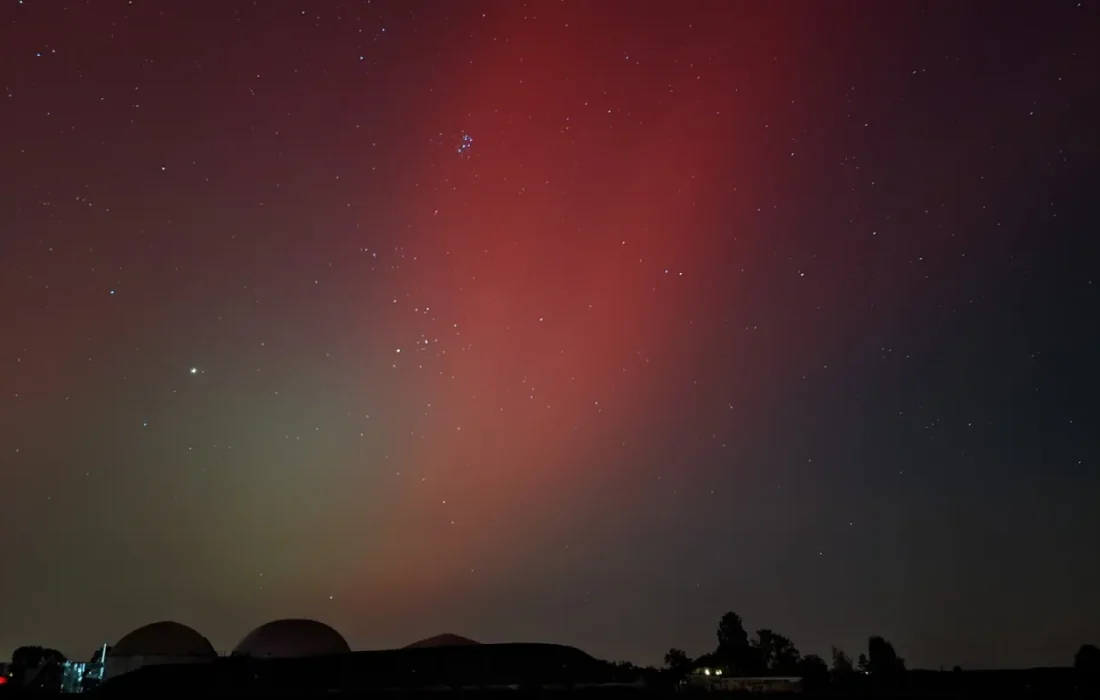
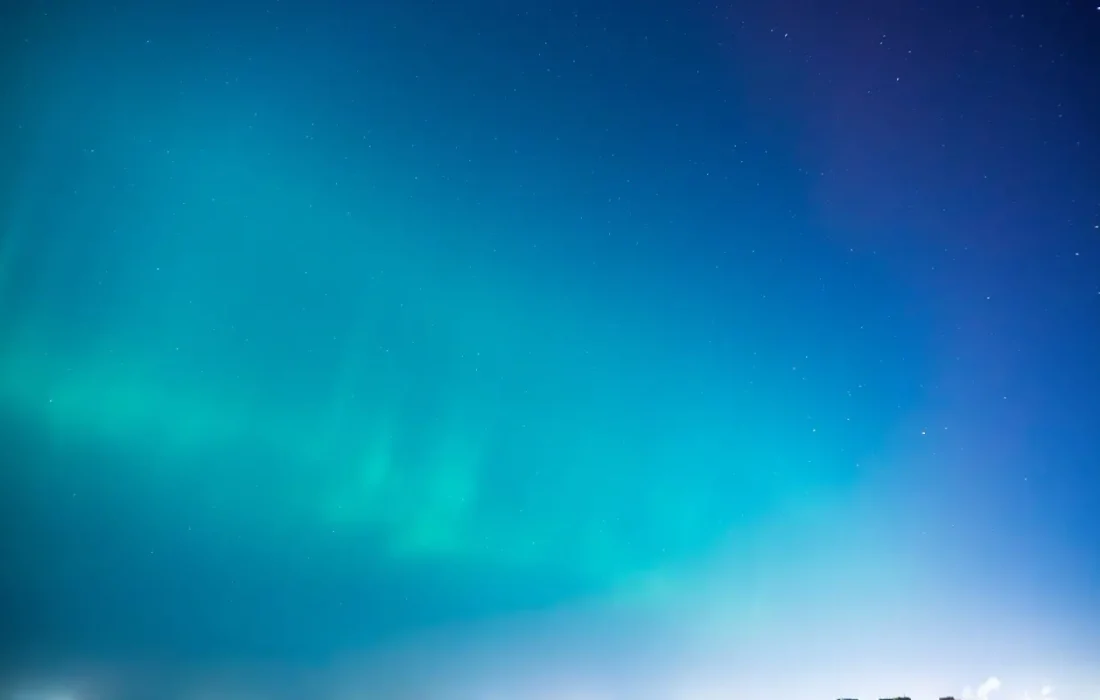
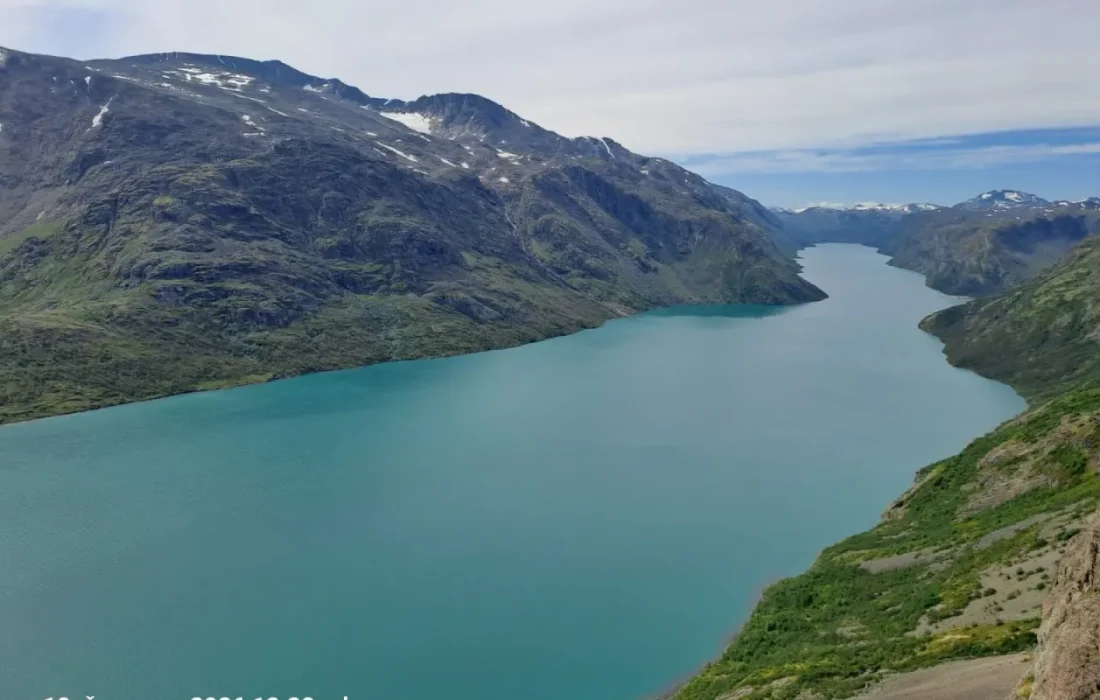
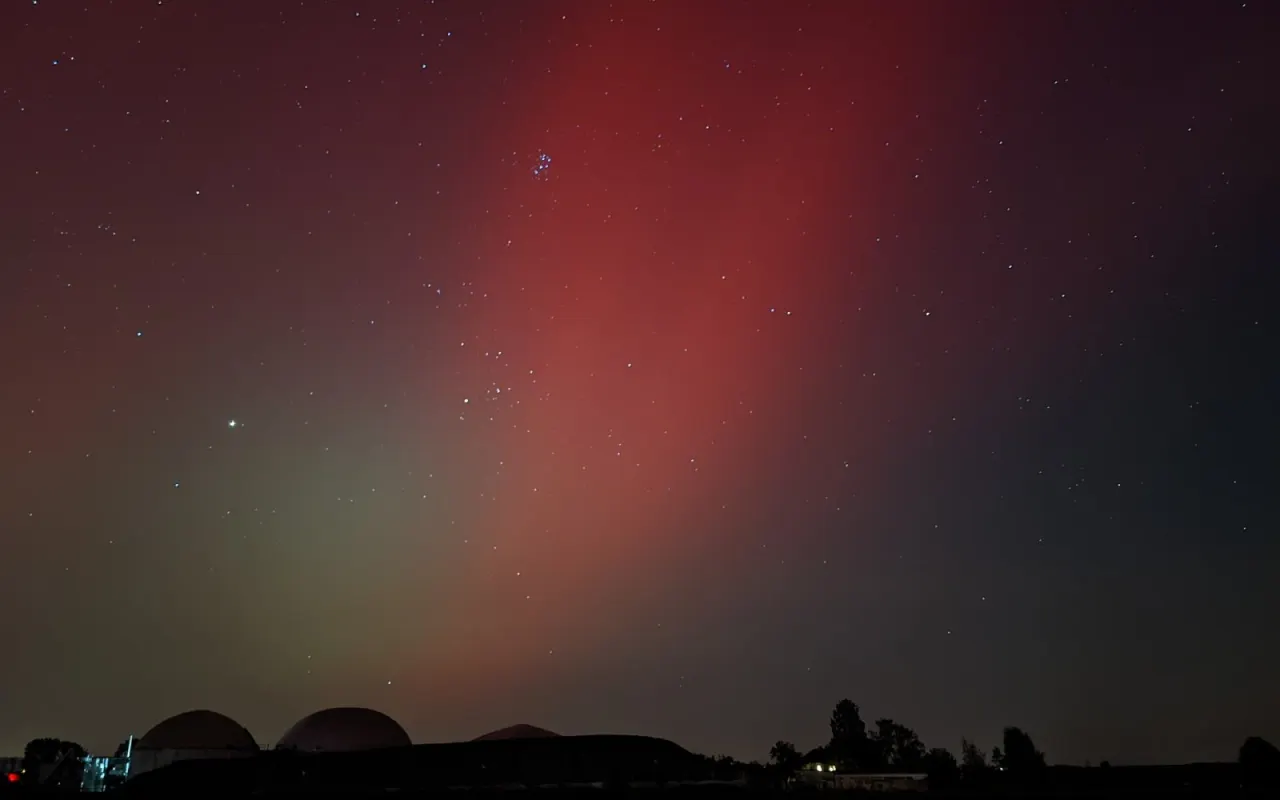
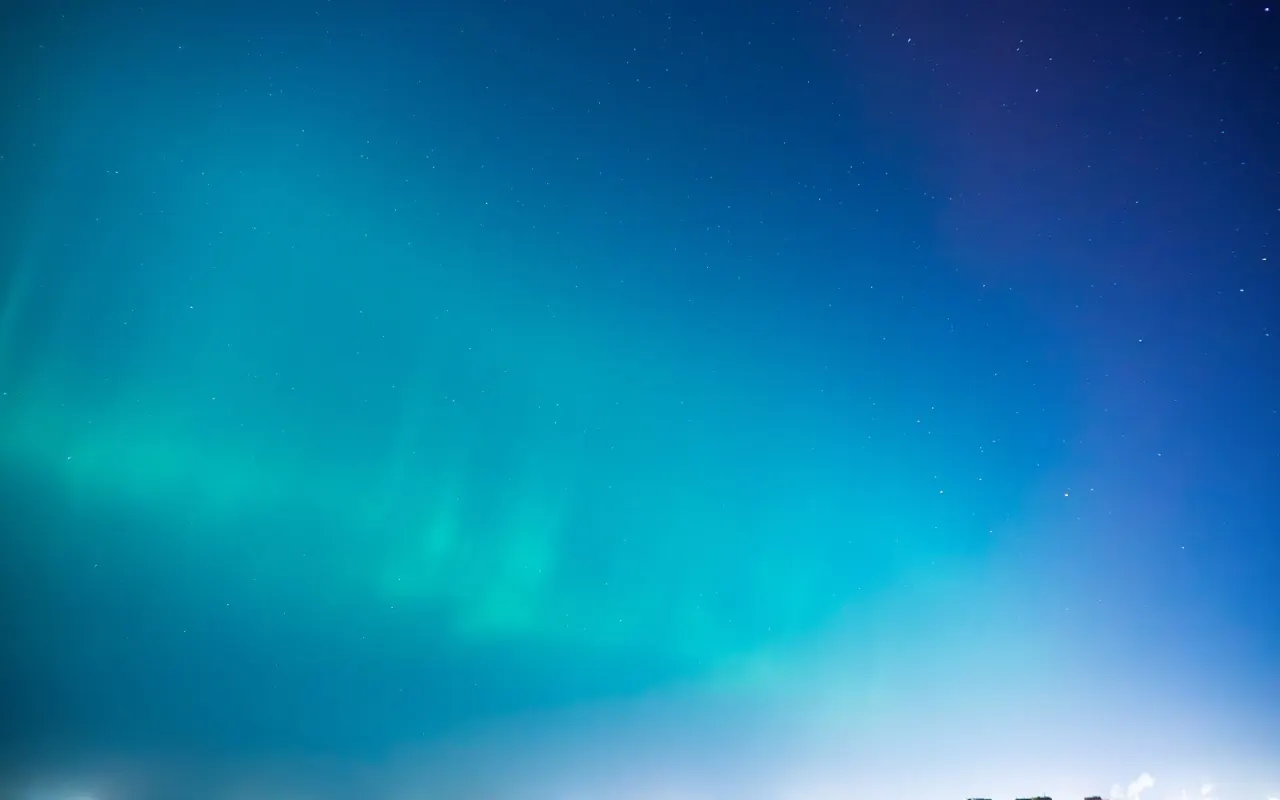
One of the largest cities in the north, Tromsø is one of the most popular bases for northern lights tours. Its airport links, accommodation options and organized tours make life much easier for first-timers, and a short drive is enough to escape the light pollution. Settlements closer to the interior, such as Alta, can sometimes enjoy drier, clearer weather. The shots in the middle of our gallery come from these areas.
Shooting in the cold: Gear and patience
The basic gear for photographing the northern lights is a sturdy tripod, a camera with manual settings and a fast wide-angle lens. You will need to experiment with long exposures and high ISO settings. Smartphones with advanced night modes can also deliver impressive results. Battery life drains quickly in the cold, so it is important to carry spare batteries in an inside pocket, where your body heat keeps them warm. To stop the lens from fogging up, it helps to keep the camera in its bag when you go back indoors.
| Topic | Far Horizons |
|---|---|
| Highlights | northern lights, winter route, photography |
| Reading time | 8 minutes |
| Written by | Jake Morales |
Key takeaways
- The season runs from late September to late March; clear, dark skies are a must.
- Tromsø is a practical base, Lofoten wins on scenery; winter driving takes experience.
- A tripod, spare batteries, warm layers and patience are the key pieces of gear.
Patience may be the most important piece of gear in northern lights hunting. Sometimes the lights last only minutes before fading; sometimes you have to wait for hours. That makes warm layers, thermal underwear, thick socks, a hat and gloves essential. A thermos of something hot makes long nights of waiting far more bearable. Following aurora forecasts and cloud maps together is the smartest way to improve your odds. Even if the lights don't show, the silence of the polar night is an experience in itself.
What do you think about this post?
Leave a comment