


























































The last colors of autumn in Kyoto: Temples, gardens and quiet mornings
In late November, when the maples turn crimson, explore Kyoto's temples, rock gardens and crowd-free walking paths with our video guide.
Table of contents
In Japan, autumn foliage reaches its most vivid in Kyoto, usually from the second half of November to early December. During these weeks the maples in the temple gardens turn crimson, orange and gold, and the city fills with visitors from all over the world. Alongside the best-known spots, our video guide covers temples that are calmer in the early morning, walking trails in the northern hills and small teahouses. The article explains the etiquette to follow at temples, how to use public transport and how to avoid the crowds. Foliage forecasts change every year, so we recommend following local announcements.
The foliage calendar: When and where?
Autumn foliage in Kyoto begins with the changing colors of the maples, known in Japanese as momiji. In the higher areas north of the city the colors start turning in early November, while at the temples downtown the peak usually falls between late November and early December. Every year, weather services and tourism organizations in Japan publish foliage forecasts, and following them is the most important step in planning. Still, nature doesn't always stick to the calendar. That is why leaving a few days of your schedule flexible is a smart move.
The most popular spots include the wooden terrace of Kiyomizu-dera, the bridge at Tōfuku-ji overlooking a sea of crimson leaves and the evening illuminations at Eikan-dō. But these places get extremely crowded at the peak. In the first part of our video we visited these famous spots just after sunrise to film them before the crowds arrived. Some temples hold special evening openings in autumn, so check the dates in advance. Under the evening lights, the crimson maples create a very different effect from the morning light, but the lines can be long too.
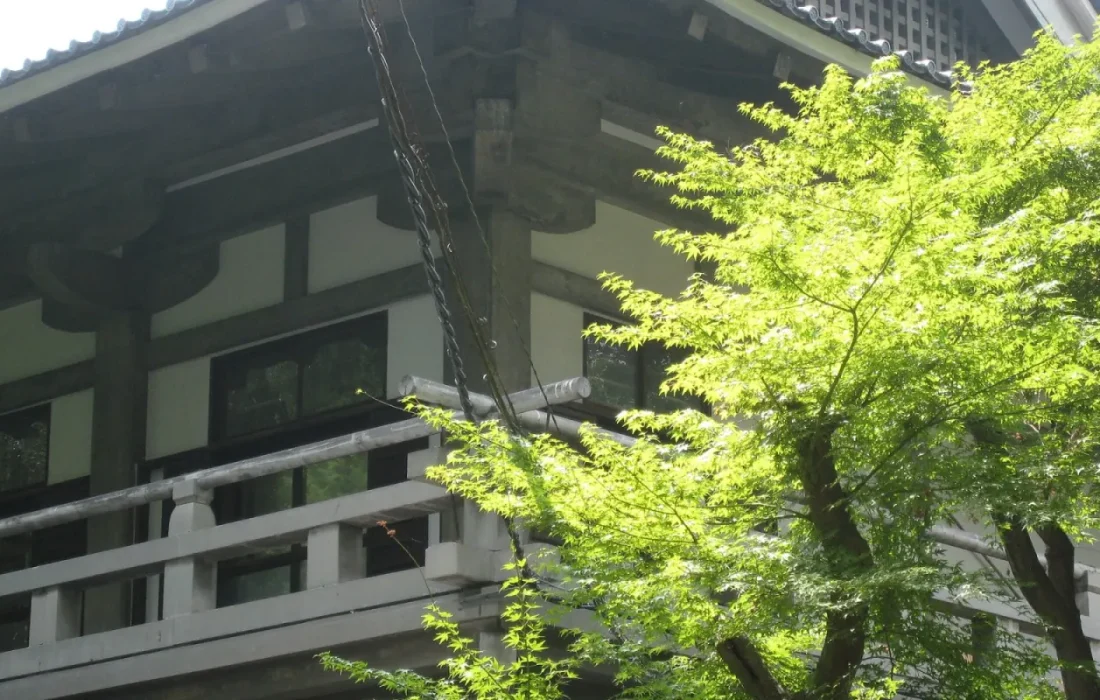
Autumn in Kyoto teaches you to stop and watch a single leaf fall.
Sophie Laurent
Temples and gardens away from the crowds
For those wanting to avoid the crowds, the Ōhara and Kurama areas in the north of the city are a good alternative. Ōhara's small temples, moss gardens and mountain views make for a peaceful morning. The forest trail from Kurama to Kibune, a walk of about an hour and a half, lets you enjoy autumn colors among the cedar trees. You can follow this walk step by step in the second part of our video and adapt the route to your own pace. Local rail lines are a practical way to reach these areas.
Downtown, the Philosopher's Path, a quiet walk along a canal, makes a lovely link between Ginkaku-ji and Nanzen-ji. The small temples and teahouses along the way are ideal for a break. The calm of the rock gardens offers a different answer to autumn's riot of color. Sitting for a few minutes in front of the raked gravel of a Zen garden is one of the best ways to rest your mind in the middle of a busy sightseeing day. Not speaking loudly in the gardens is also a way to preserve their tranquility.
Temple etiquette and practical tips
There are some rules of etiquette to follow when visiting temples and shrines in Japan. Bowing slightly before passing through the torii gate at the entrance to a Shinto shrine and washing your hands at the purification fountain is a traditional ritual. You need to take off your shoes before entering temple interiors, so shoes that slip off easily and clean socks are a practical choice. Photography may be prohibited in some interiors, so watch for signs. Wooden wishing plaques and small amulets at shrines are also traditions that catch visitors' interest.
| Topic | Culture Trips |
|---|---|
| Highlights | autumn, Asia, photography |
| Reading time | 6 minutes |
| Written by | Sophie Laurent |
Key takeaways
- At temples downtown, foliage usually peaks between late November and early December.
- Ōhara, the Kurama–Kibune walk and the Philosopher's Path offer crowd-free alternatives.
- Follow shoe and photo rules at temples, and book accommodation months in advance.
Kyoto's bus network is extensive, but buses can get very crowded at the autumn peak, so choosing rail lines and walking saves time. Rechargeable transit cards let you skip the ticket lines. Accommodation fills up months in advance at the peak; booking early or staying in nearby Osaka and coming in for the day are sensible alternatives. Check Japan's entry requirements with official sources before you travel. Bring comfortable shoes for walking and a light jacket for the cool November evenings.
What do you think about this post?
Leave a comment