


















































Asia’s night markets: A conversation about street food and food culture
In this episode of the Travel Compass podcast series, we talk about the food of night markets from Bangkok to Hanoi and Penang to Taipei, and the finer points of eating on the street.
Table of contents
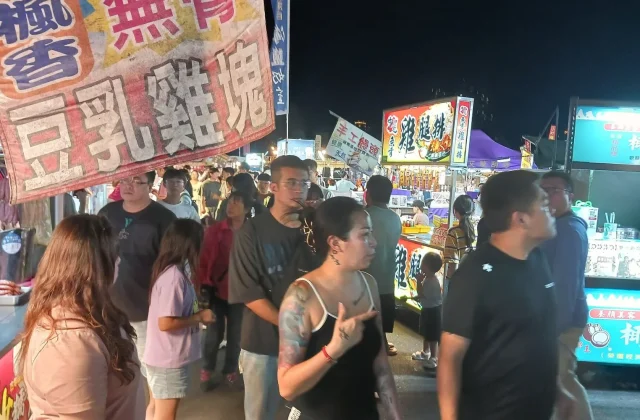
In many cities across Southeast and East Asia, the streets wake up to a whole new life as the sun goes down. Mobile stalls go up, smoke rises from the grills and families, students and travelers share the same table around plastic stools. In this episode of our podcast series, our editors share their impressions of the night markets they have explored over the years in Bangkok, Chiang Mai, Hanoi, Penang and Taipei. We talk about how to tell why a stall is busy, the flavors first-timers should try and the etiquette to follow when eating on the street. Listeners with food allergies will find practical tips at the end of the episode. Put your headphones on and get your appetite ready.
Why do night markets matter so much?
In the first part of the episode we talked about the social role of night markets in Asian cities. In hot climates, the daytime heat drives people out onto the streets in the evening, and night markets have become a natural part of that rhythm. The markets aren't just places to eat; they are also social spaces for shopping, meeting friends and taking the pulse of the neighborhood. Our editor Sarah Bennett described the atmosphere as a city's living room.
Another important role of night markets is passing a city's culinary heritage down from generation to generation. Many stalls serve recipes the same family has kept alive for decades. Eating at these stalls is the easiest and cheapest way to get to know a city's real cuisine. In the episode we also discussed how night markets in some cities are changing under the pressure of urban redevelopment and tourism, how locals are responding and the concerns of stall owners.
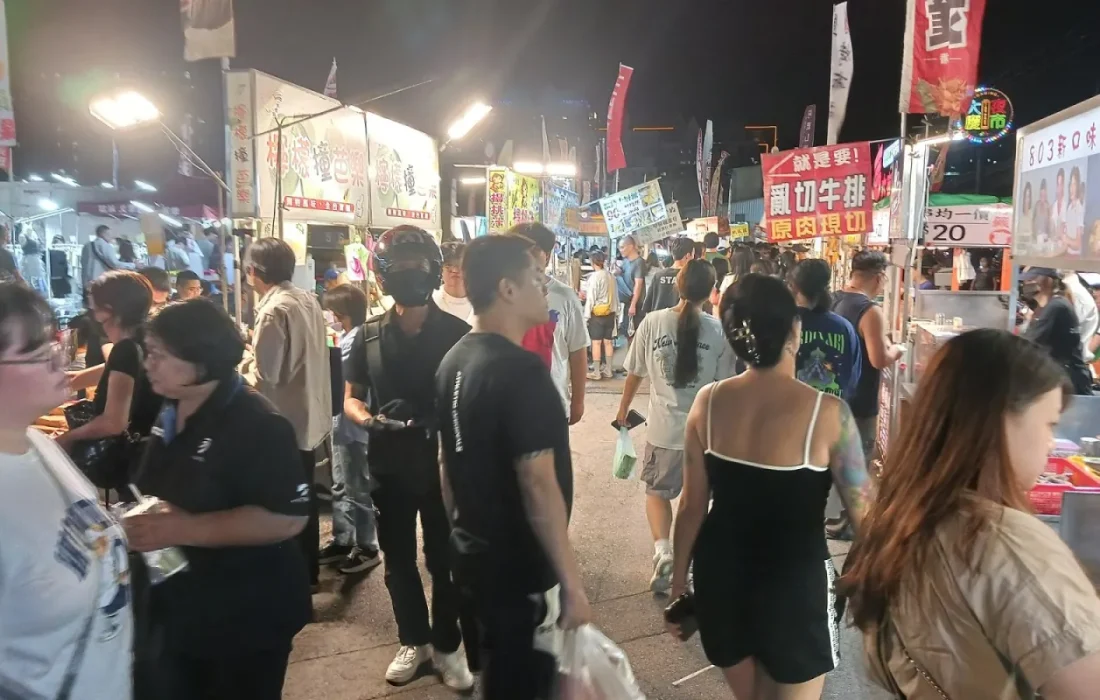
A city's true cuisine is often hidden at a stall set up at midnight.
Sarah Bennett
Stall to stall: What to try?
Among the flavors we recommend to first-timers at the night markets of Bangkok and Chiang Mai are grilled skewers, papaya salad, fried noodles and mango sticky rice. In Hanoi's Old Quarter, steaming noodle soups and sandwiches made with fresh herbs stand out at the stalls. In Penang, street stalls where different culinary cultures meet let you try dozens of different flavors in a single evening, turning the island into a food lab.
Taipei's night markets are famous for their own distinctive snacks, steamed dumplings and buns, and fresh juice stalls. In the episode we talked about how similar dishes are given completely different twists in different cities, and about each city's signature flavors. Our advice: start with small portions and share with a friend to try as many dishes as possible. That way, a single evening can give you a broad sense of a city's cuisine.
Hygiene, allergies and street-food etiquette
A few simple hygiene rules make eating on the street easier. Choosing stalls crowded with locals is a sign that the food is moving fast and is fresh. Food cooked right in front of you and served hot is another good sign. In areas where tap water isn't recommended for drinking, choose bottled water and be careful with ice. Carrying hand sanitizer is also helpful. Those with sensitive stomachs can start with lighter dishes in the first few days.
| Topic | Food Stops |
|---|---|
| Highlights | street food, Asia, regional cuisine |
| Reading time | 4 minutes |
| Written by | Sarah Bennett |
Key takeaways
- In Asian cities, night markets are at the heart of both culinary heritage and social life.
- Start with small portions, and share to try as many dishes as possible.
- Pick busy stalls; if you have an allergy, carry a written card in the local language.
For travelers with food allergies, street food calls for extra care. Allergens such as peanuts, seafood, soy and fish sauce are used widely in Asian cuisines. Carrying a written card explaining your allergy in the local language and avoiding a dish whenever in doubt is the safest approach, and anyone with a serious allergy should consult their doctor before traveling. As for etiquette, the basic rules are waiting your turn, being open to sharing a table and disposing of trash properly.
What do you think about this post?


Leave a comment