



























































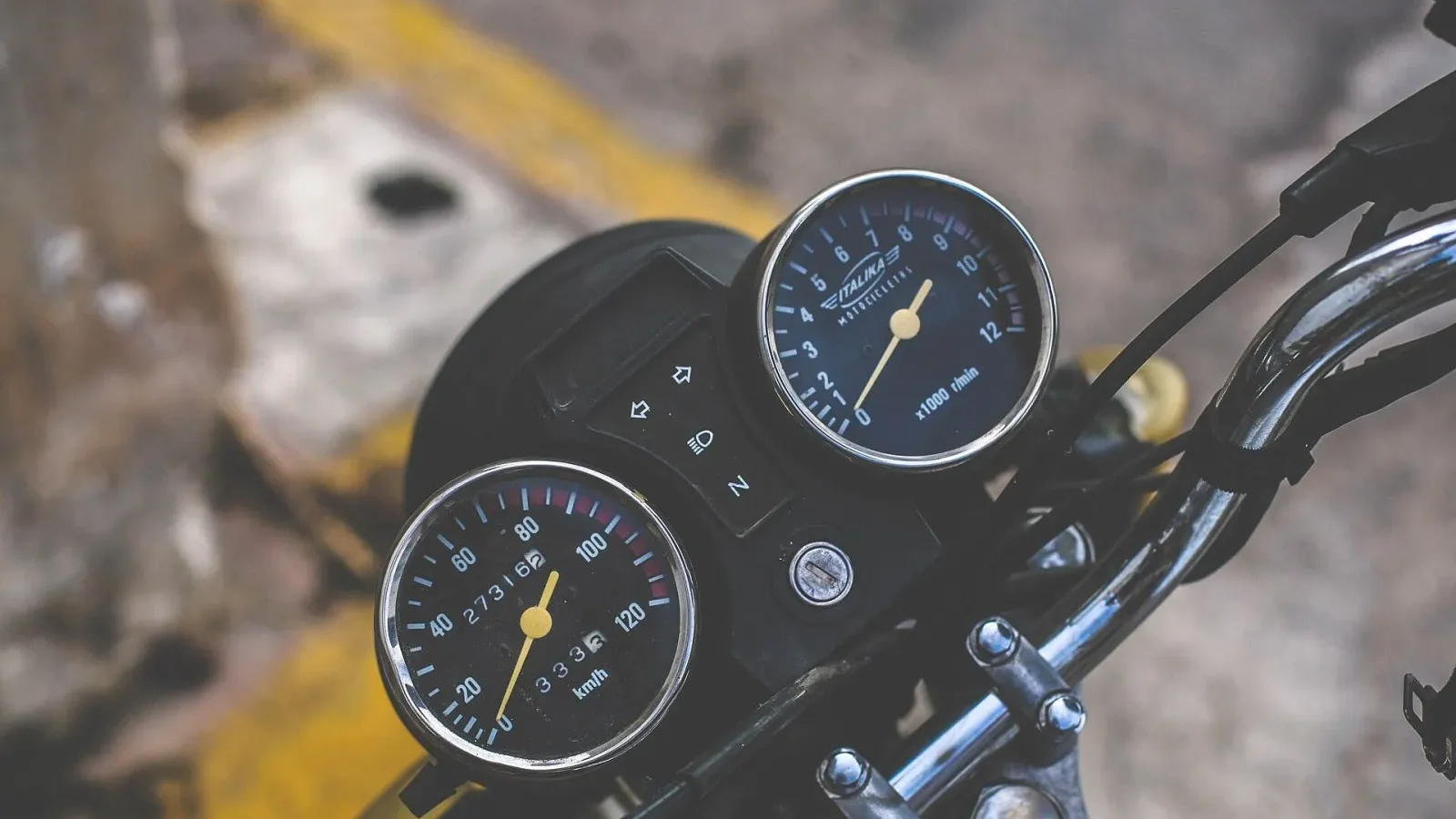
900 km through the highlands on an adventure bike: video test
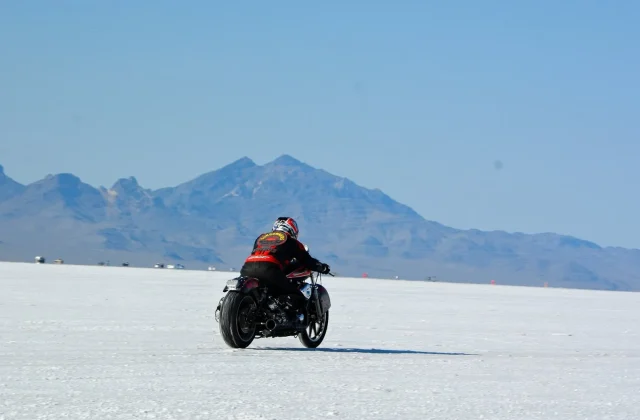
On a mid-size adventure motorcycle, we plotted a route from winding coastal roads up to mountain plateau trails. Our riding impressions and route tips are in the video.
Table of contents
Adventure motorcycles have become one of the most popular classes of recent years, promising to be a comfortable tourer on asphalt and a dependable companion on dirt. To put that promise to the test, we plotted a 900 km (560-mile) route on a mid-size adventure bike, from coastal roads up to high mountain plateaus. We assessed how the electronic riding modes helped on wet surfaces, how the suspension behaved on dirt trails and how comfortable the seat was on long stretches. You'll find all our impressions, along with route suggestions, in our video.
Route and preparation
Our route covered a 900 km (560-mile) loop that started at a port town, ran east along the coastal road and then turned up onto the plateau roads. The first day was mostly asphalt; on days two and three we took to dirt trails. Before setting off, the bike was serviced, the tire pressures checked and the chain lubed. Preparation is considered almost half the battle on a trip like this.
Our prep list included rain gear, spare gloves, a repair kit, a portable charger, a first-aid kit and a map. For luggage we used two side panniers and a top bag. Distributing the load evenly on both sides of the bike is critical for control, especially on dirt. We checked the weather forecast every morning.
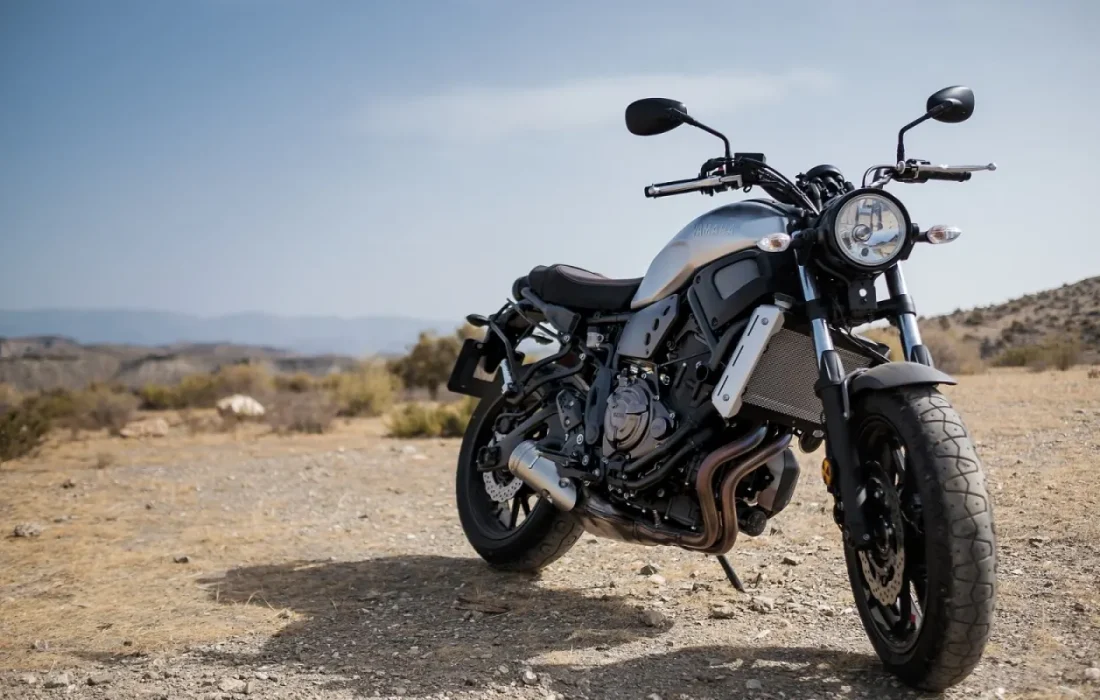
When the asphalt ends in the highlands, an adventure bike shows its true character.
Jake Morales
Suspension on dirt trails
On the dirt trails, the suspension setup made a big difference. With long front and rear travel, the bike kept its balance even on surfaces full of rocks and roots. When we switched the riding mode to off-road, the electronic traction control and ABS were recalibrated to limit sliding. That made braking on slippery surfaces more predictable.
Up on the plateau, fog and rain often closed in on the road. On sloping surfaces covered with wet grass, the tires had less grip, so we chose to ride in a low gear with gentle throttle. Once the front wheel slid slightly in the mud, but the electronics stepped in. The bike's weight can be tiring on long trails, so rest breaks are a must.
Long-distance comfort and fuel economy
On the long asphalt stretches, seat comfort and wind protection stood out. The adjustable windscreen reduced neck fatigue even over 30-minute stints. Vibration stayed low, and the heated grips were a real comfort in the morning chill. Even on 200 km (125-mile) stretches, the seat caused no noticeable discomfort. That comfort significantly reduced fatigue on the long legs.
| Topic | Motorcycles |
|---|---|
| Highlights | motorcycle, road test, travel |
| Reading time | 6 minutes |
| Written by | Jake Morales |
Key takeaways
- The 900 km route combined coastal asphalt with plateau trails.
- The off-road riding mode and long suspension travel gave confidence on dirt.
- Average consumption on mixed roads was around 4.8 liters per 100 km.
Fuel consumption on mixed roads was measured at around 4.8 liters per 100 km (49 mpg). The 20-liter tank gives a real-world range of nearly 400 km (250 miles), which matters because gas stations are scarce up in the highlands. Our route tip: allow at least three days depending on the weather, carry spare fuel and give the bike a general check every morning.
What do you think about this post?

Leave a comment