





















































24-hour endurance race report: night, rain and a never-ending fight
In the day-long GT endurance race, teams skillfully managed driver changes, night driving and rain tire calls. Here's the story of the race.
Table of contents
The 24-hour GT endurance race, held every summer, once again pushed machines and people to their limits. With 65 cars on the grid, reliability mattered as much as speed, and the pit crew as much as the drivers. The winning team finished not just with a trouble-free race but with flawless teamwork. Here's the story of the race, hour by hour.
The start and the first six hours of daylight
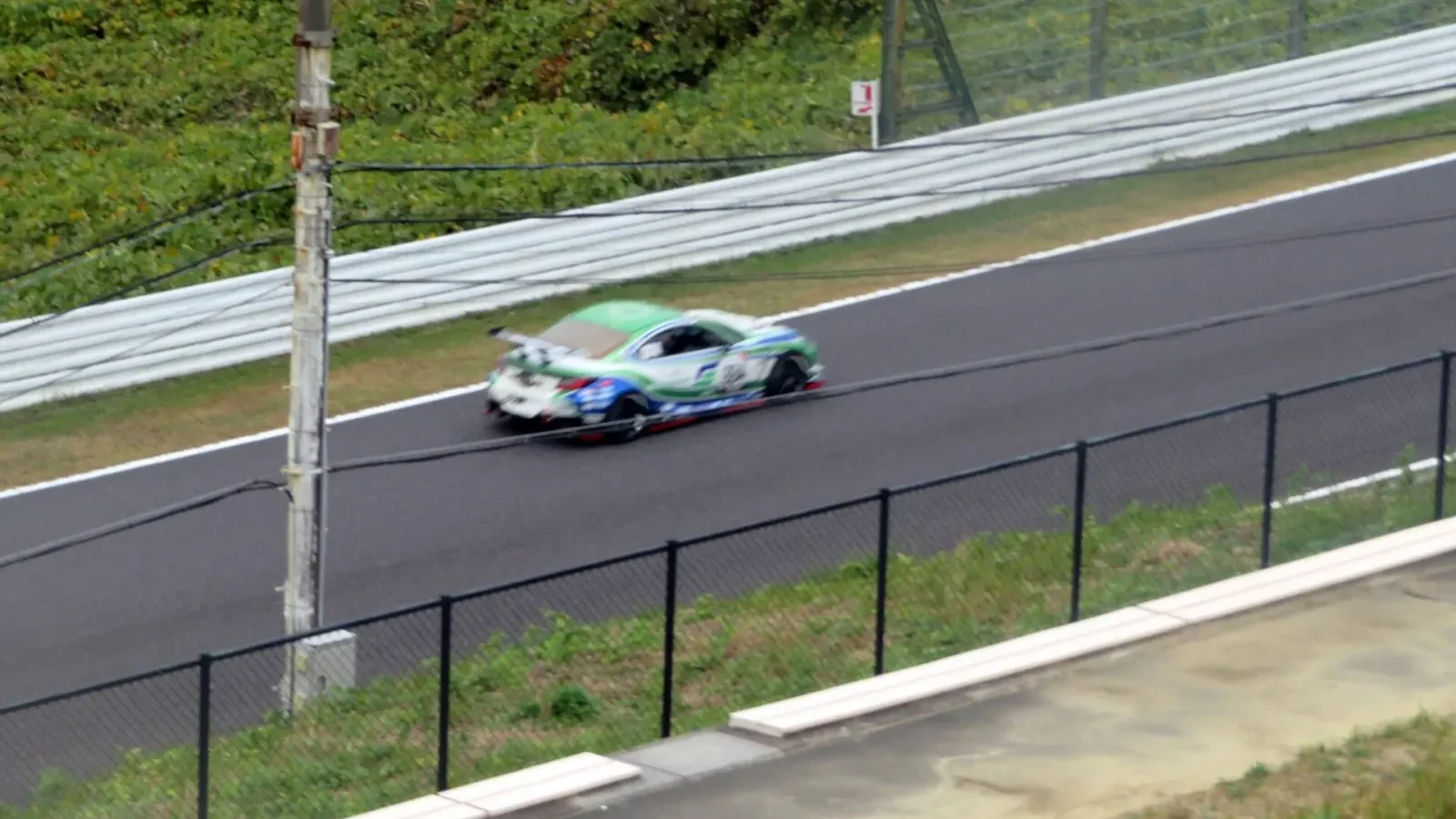
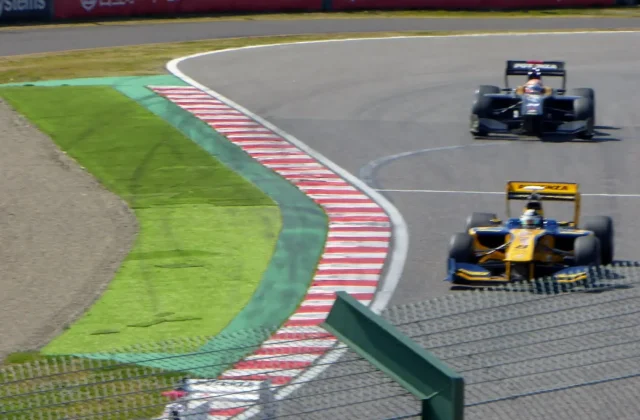
When the race got underway on Saturday afternoon, 65 cars lined up on the wide start-finish straight at the South Forest Circuit. The fast prototypes immediately pulled ahead in the first hour. In the GT category, Meridian Racing's yellow car settled into the class lead from the second hour with consistent laps. Some 40,000 spectators packed the stands, and the picnic areas stayed full until morning.
There were no serious crashes in the first six hours, but four cars made long pit stops due to fuel pressure and brake temperature issues. Drivers constantly balanced tire use against fuel saving. At this stage, teams were watching their rivals' pace and working out what plan to follow toward the end of the race. The first quarter of the race thus showed that careful, methodical work matters more than speed.
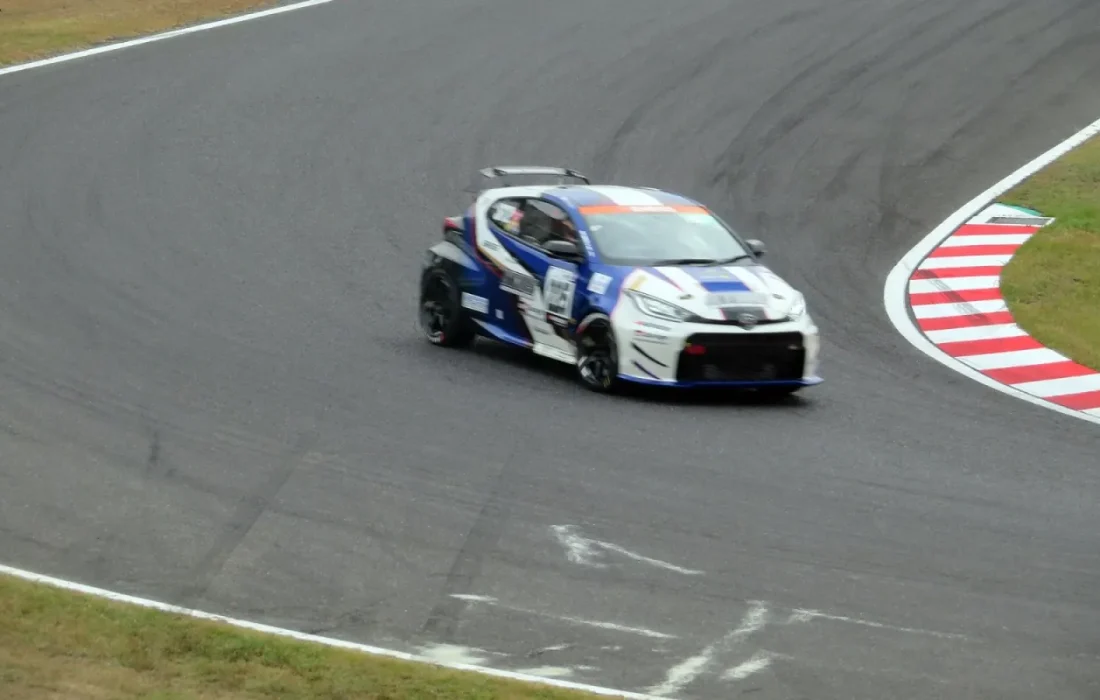
In endurance racing, the real goal isn't being fast; it's making it to the finish.
Jake Morales
The night shift: visibility, fatigue and the safety car
On the night shift, visibility dropped markedly. Headlights, illuminated boards and reflectors along the track were the drivers' only guides. With slower prototypes and fast GT cars racing on the same track, overtaking decisions became even harder at night. Race control frequently reminded drivers of blue flag warnings. The risk of mechanical failure also rose in these conditions, as the lights and electronics were working at full load all the time.
After midnight, the safety car came out twice. Teams turned this time into an opportunity for refueling and driver changes. Fatigue was the biggest opponent for mechanics and drivers alike, because a second's lapse in concentration in a braking zone could cause a big crash. Medical teams monitored all drivers between stints.
Morning rain and the tension of the final hours
Rain that began just before dawn shuffled the order once again. Several teams that stayed out on slicks went off the track. Meridian Racing, however, switched to rain tires at exactly the right moment and extended its lead to two laps. That strategic call went down as the moment that decided the race. Throughout the rain, the engineers on the pit wall watched radar images and made a new decision every lap.
| Topic | Motorsport |
|---|---|
| Highlights | Formula 1, rally, comparison |
| Reading time | 9 minutes |
| Written by | Jake Morales |
Key takeaways
- Sixty-five cars faced a test of endurance through the night and the rain.
- Switching to rain tires at the right time decided the class winner.
- Fatigue management and medical checks were critical issues in the race.
In the final hour, as soon as the rain stopped, a dry line formed and drivers picked up the pace again. But the leading team had built up a substantial gap over its rivals. When the checkered flag came out, the car had made it through 24 hours with just one change of brake pads; all the teams on the podium stressed the importance of mechanical durability. After the race, the team principal said sleepless nights and flawless communication were behind the success.
What do you think about this post?

Leave a comment