


























































A 500 km real-world range test in the new-generation electric SUV
How well do the manufacturer's range figures hold up in real driving conditions? We pushed the new electric SUV to its limits on a single charge on the highway, in town and on mountain roads.
Table of contents
The question on the mind of anyone thinking about an electric car never changes: how much of the brochure range do you actually get in real life? To find out, we set off with a full battery in the newest electric SUV in the segment. Our route took in highway, city traffic and mountain roads climbing above 1,000 meters (3,300 feet), and we kept the air conditioning on with four adults on board. The results largely lived up to our expectations.
Test route and conditions
Our route covered a stretch of roughly 500 km (310 miles), starting at a facility on the western edge of the city and heading inland. We set off with the battery at 100 percent and the tires set to the manufacturer's recommended pressure. Temperatures ranged between 18 and 26°C (64 and 79°F) throughout the day, a mild window in which the battery could work efficiently.
We left the drive mode on its standard setting for the whole test and kept regenerative braking at a medium level. We carried four adults and a total of 80 kg (176 lb) of luggage, with the climate control set to 22°C (72°F) in automatic mode. Every 100 km we logged consumption, average speed and remaining range. That way the results reflect realistic everyday use rather than a single extreme scenario.
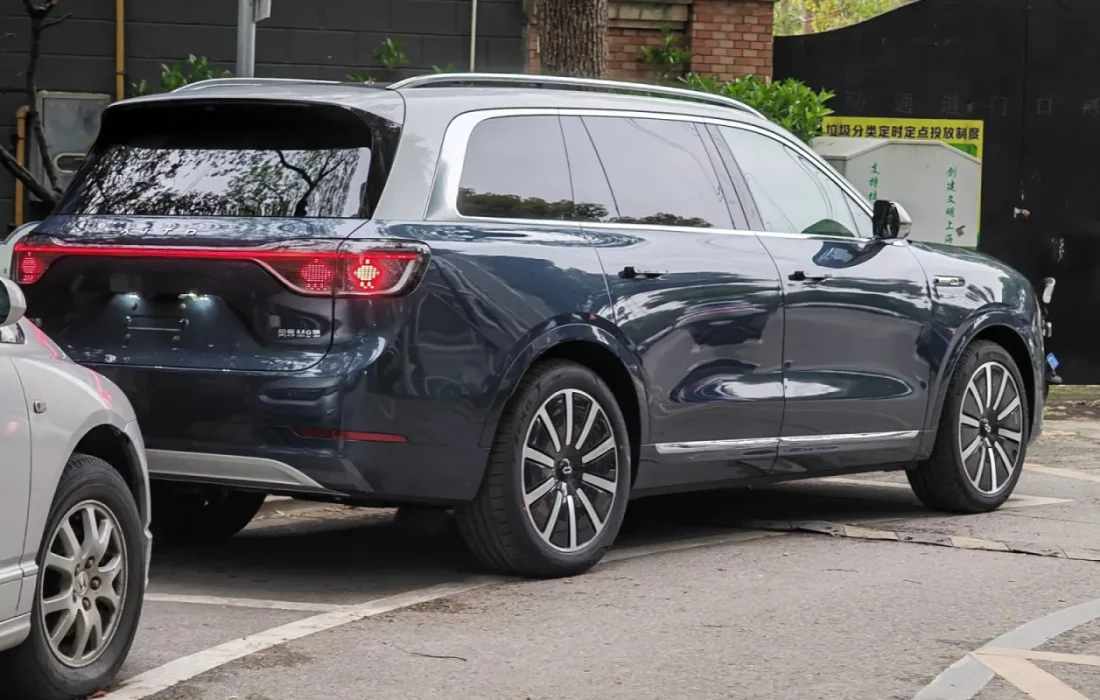
With the right driving style, you can reach 90 percent of the claimed range.
Mark Ellison
How did consumption change on the highway?
With cruise control set to 120 km/h (75 mph) on the highway, consumption rose noticeably compared with the city. Over the first 100 km we saw a figure of around 22 kWh per 100 km. This test showed once again how quickly aerodynamic drag drives up energy use in an EV at high speed. The difference clearly shows how speed affects range and should be taken into account when planning a trip.
Once we reached the mountain road, the picture reversed. Consumption rose on the long climbs, but on the descents regenerative braking let the battery recover energy and the averages evened out. In the city section, low speeds and stop-and-go traffic meant we used around 30 percent less energy than on the highway. Driving style directly determined the result.
The fast-charging experience
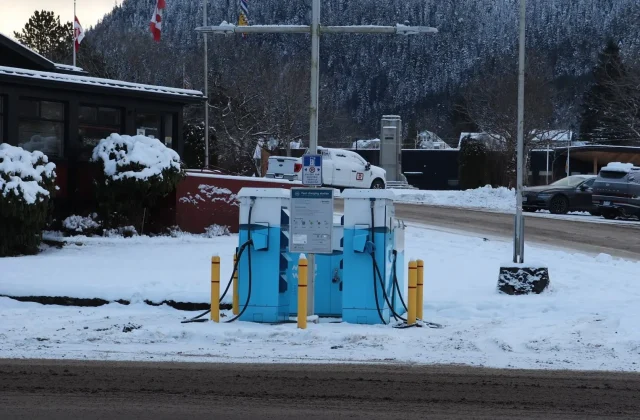
When the battery dropped to 15 percent, we pulled into a fast-charging station on the route. The unit took the car from 20 to 80 percent in about 30 minutes; charging power peaked in the first ten minutes and then tapered off gradually. That behavior is a normal result of the protection software that keeps the battery from overheating. It was also a good sign that the unit gave no temperature warnings and the power curve stayed consistent throughout.
| Topic | Electric Vehicles |
|---|---|
| Highlights | electric vehicles, SUV, battery |
| Reading time | 10 minutes |
| Written by | Mark Ellison |
Key takeaways
- Real-world range came in at about 90 percent of the claimed figure.
- Highway speeds raised consumption; regenerative braking evened it out on mountain descents.
- On a fast charger, 20 to 80 percent took about 30 minutes.
We paid at the station using a mobile app and the transaction went through without a hitch. While charging, the car accurately displayed the remaining time on screen. By the end of the test, the range we achieved came to about 90 percent of the claimed figure. With expectations managed properly, that result means we can confidently recommend this electric SUV for daily driving and the occasional long trip.
What do you think about this post?


2 Comments
Really useful piece, thank you for putting it together.
I had never thought about this side of it. Looking forward to a follow-up.