


















































Fast-charging test on the capital-to-coast highway: five stations, two hours, one cup of coffee
We visited every fast-charging station along the highway during the weekend rush. Here's our report on waiting times, real charging speeds and the payment experience.
Table of contents
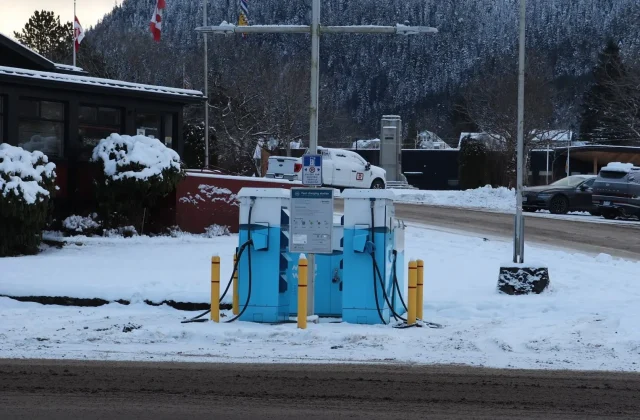
For electric car owners on long trips, the biggest question is less about range than about how much time they'll spend at charging stations. To find out, we visited five different fast-charging points along the 430 km (267-mile) highway between the capital and the coast during the busiest weekend hours. At every stop we recorded the waiting time, whether the units were working and the charging power our car actually reached. We also compared the mobile apps and payment processes of different operators. The results showed that the infrastructure is improving fast but still calls for planning at peak times.
Route and test method
We started the test on Saturday morning, during the highway's busiest hours. The route leaves the capital, crosses a mountain pass and runs to the coast, covering roughly 430 km (267 miles). We chose five fast-charging points from stations run by different operators and didn't just visit each one but used it like a real customer. That choice meant the results would hold across different operators.
Our method was simple: arrive at each station with around 15 percent charge, charge the car to 80 percent, and note the time, charging power, waiting time and payment steps. The car's own display and the charging app were used for the records. The weather was clear and around 22°C (72°F), so conditions were neither tough nor especially favorable.
Taking an EV on a long trip is now less about range and more about planning good breaks.
Sarah Bennett
Real charging speeds at the stations
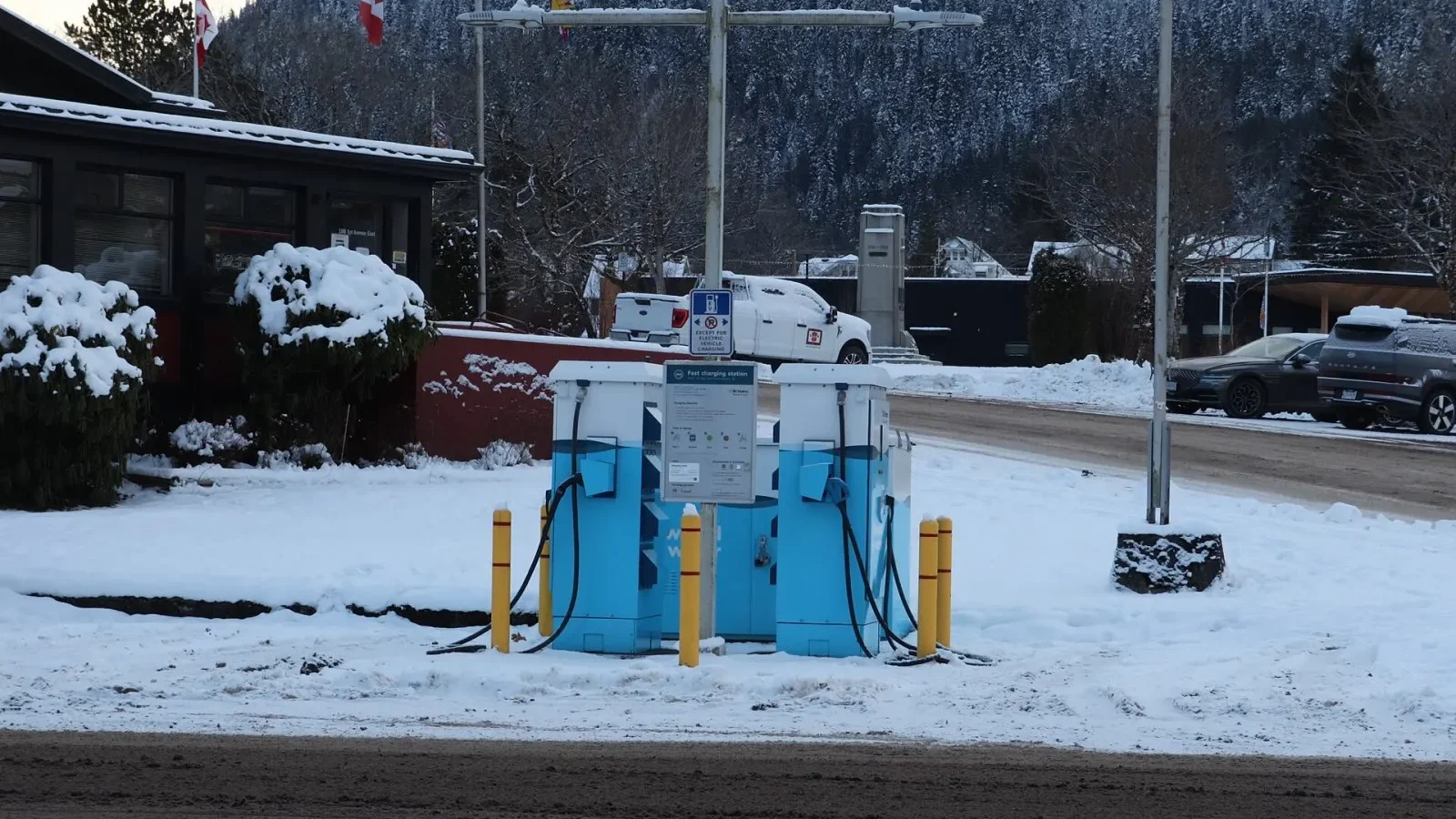
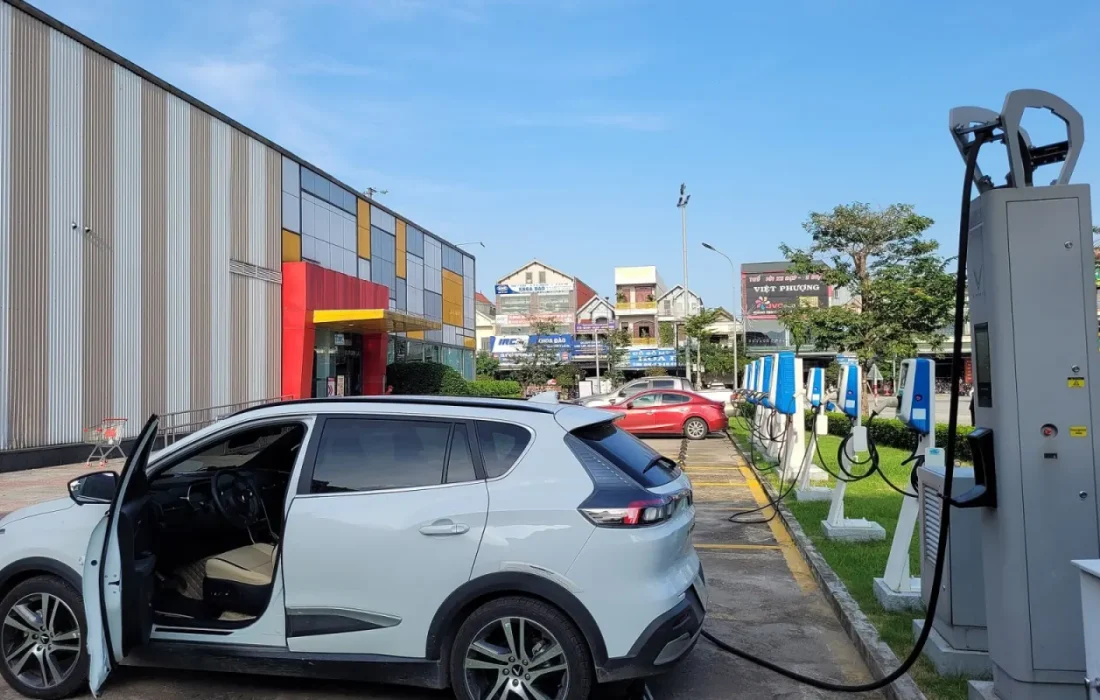
Real charging speeds at the stations came in somewhat below the figures on the units' labels. The best result came from a 150 kW-class unit, which took the car to 80 percent in about 26 minutes. At two other stations, average power was lower because several cars were sharing the same line.
Waiting times varied. At the busiest station we waited in line for about ten minutes, while at the others a unit was free right away. At one station a unit was out of order with a warning on its screen, and the working unit was waiting for the next car. That showed once again how important it is to plan a backup station along the route.
Apps and the payment experience
The payment experience varied from operator to operator. At one station you could start charging with a single tap in the app; at another you had to create an account first. Two stations accepted contactless card payments, which was a big convenience, especially for guest users. That shows users should look at the whole experience, not just the price, when comparing. An app that's easy to use can save time when it matters most.
| Topic | Electric Vehicles |
|---|---|
| Highlights | electric vehicles, charging, travel |
| Reading time | 9 minutes |
| Written by | Sarah Bennett |
Key takeaways
- The best unit reached 80 percent in 26 minutes; speeds fell short of the labels.
- At peak time, we waited about ten minutes at one station.
- Payment methods varied by operator; having more than one app came in handy.
Prices per kWh varied considerably, and some apps didn't clearly show the price before charging started. That's why we think it's worth downloading two or three apps and topping up a balance when planning a long trip. In total we spent about two hours charging over five stops; when well planned, that time becomes a natural part of a long journey.
What do you think about this post?
Leave a comment