

















































Choosing your first electric guitar: a budget guide to bodies, pickups and amps
In our video guide, we explain what beginners need to know about body type, pickup choice, neck profile and a first amp.
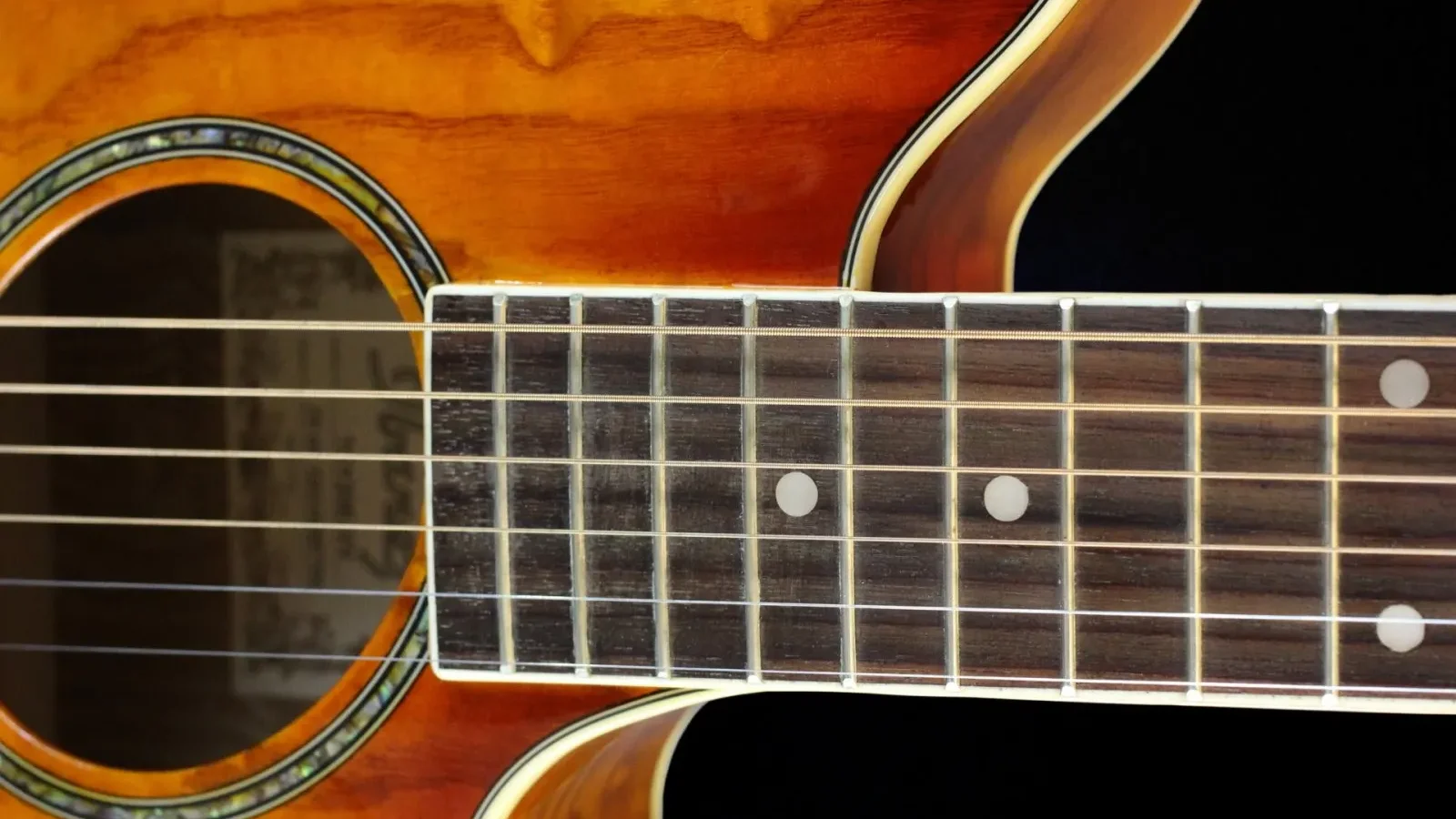
Anyone who wants to start playing electric guitar ends up facing the same question in front of a music store wall lined with dozens of guitars: which one? The price range is wide, the jargon is confusing and salespeople's advice rarely agrees. In this video guide, we worked with a teacher who has been giving guitar lessons for twenty years and a luthier to explain, step by step, what to look for in a first guitar. From body and neck construction to pickup types, from a first amp to cables and a tuner, we've gathered the basics that will help you spend your budget in the right places. The right choice will also be the key to not giving up in the first few months.
In this article
- Body and neck: what should your hand feel first?
- Pickups and tone
- Amp, cable and your first pedal
Body and neck: what should your hand feel first?
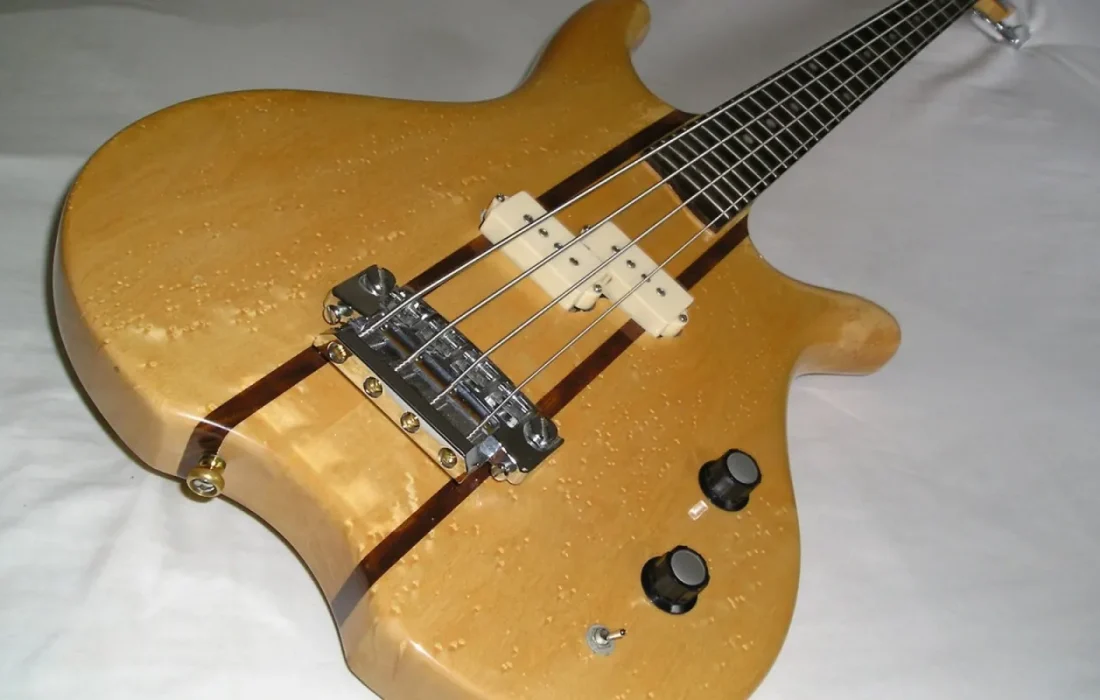
The most important thing about a first guitar is that it fits your hands and your body. Body type determines how it sits on your knee when you play seated and how it balances on a strap when you stand. Solid-body models are more common and durable; semi-hollow bodies offer a warmer tone but can feed back at high volume. Neck thickness and shape should also suit the size of your hands. For students with small hands, a thin, flat neck makes a big difference in the first months.
What our teacher stressed most was the guitar's setup. Many affordable guitars arrive from the factory with high string action, which makes chords harder to press. A beginner may mistake this difficulty for a lack of skill and give up. Yet a simple setup by a luthier can make even a cheap guitar much more comfortable to play. That's why we recommend setting aside a small part of your budget for that first setup.
The best first guitar isn't the finest one, it's the one you never want to put down.
Ethan Brooks
Pickups and tone
Pickups are the parts that turn string vibration into an electrical signal, and they largely determine a guitar's tonal character. Single-coil pickups give a brighter, clearer sound, while humbuckers offer a thicker, quieter tone. Which type you choose depends on the music you want to play. Single coils are more common for blues, funk and indie rock, humbuckers for hard rock and metal; but this is not a strict rule.
Many entry-level models offer both pickup types together, and that flexibility is very valuable for beginners. If you're not quite sure what style you want to play in the first months, a guitar with mixed pickups lets you try out different sounds. In our video, we played the same riff with three different pickup configurations to make the difference audible. Watch with headphones and you'll hear the tonal differences much more clearly and discover your own taste more easily.
Amp, cable and your first pedal
Half of an electric guitar is the amp, so don't treat the amp as an afterthought. For practicing at home, a small amp of ten to thirty watts is more than enough. Modeling amps are very popular with beginners because they offer a range of amp and effect sounds in a single box. Choosing a model with a headphone output also keeps you on good terms with your neighbors during late-night practice. A built-in tuner and metronome make the learning process much easier.
| Topic | Instruments |
|---|---|
| Highlights | guitar, gear, rock |
| Reading time | 7 minutes |
| Written by | Ethan Brooks |
Key takeaways
- With a first guitar, the ergonomics of body and neck come before everything else.
- A simple setup by a luthier makes even an affordable guitar much more comfortable to play.
- A small modeling amp with a headphone output is ideal for practicing at home.
Small gear such as a cable, a tuner and picks should also have a place in the budget. A quality cable prevents the crackles and breakages that cheap cables cause. As for your first pedal, we suggest not rushing; learning to play with a clean tone first is the most solid way to develop your technique. Trying a distortion or reverb pedal a few months later will then expand your sonic world. Remember, the best gear is the gear you use regularly and enjoy.
What do you think about this post?
Leave a comment