





















































When the fuzz pedal met the folk lute: a short history of Anatolian psychedelic rock
Late-sixties experiments that fused folk melodies with electric guitar still inspire young bands around the world today. Here is a short history of the movement.
In the late sixties, as young people in many parts of the world discovered the electric guitar, a similar excitement was building in Anatolia. But musicians there weren't content to simply imitate the sound coming from abroad; they brought folk melodies, the free-rhythm vocal tradition and the tone of the bağlama, a long-necked folk lute, together with fuzz pedals, organs and hard-hitting drum patterns. The resulting sound also echoed a generation's search for identity. In this piece we look at the setting in which the movement was born, the musical tools it used and why, decades later, young bands in different corners of the world are rediscovering these records, focusing on sounds rather than personalities. The movement's echo today reaches far wider than anyone expected.
In this article
- A search in the sixties
- Folk melody meets electricity
- Echoes that reach today
A search in the sixties
In the mid-sixties, young people in big cities were discovering a new kind of music through the radio and records passed from hand to hand. Electric guitars, drum kits and amps gradually began to appear in music store windows. Music contests held at the time became an important opportunity for young bands to get on stage. Groups that first stood out by covering foreign songs soon began searching for their own sound and turning to local sources. That search planted the seeds of a new movement.
Behind this search lay the social and cultural changes of the era as well. Migration from the countryside to the cities, rising student movements and questions of identity pushed musicians to find a language that was both modern and rooted. The bands taking the stage didn't just want to entertain audiences; they wanted to tell them something familiar yet new. That desire found its answer in bold experiments that combined the rich repertoire of folk music with the power of electric instruments, and it spread quickly.

The modal scale of a folk song and the snarl of a fuzz pedal were asking the same question.
Emily Carter
Folk melody meets electricity
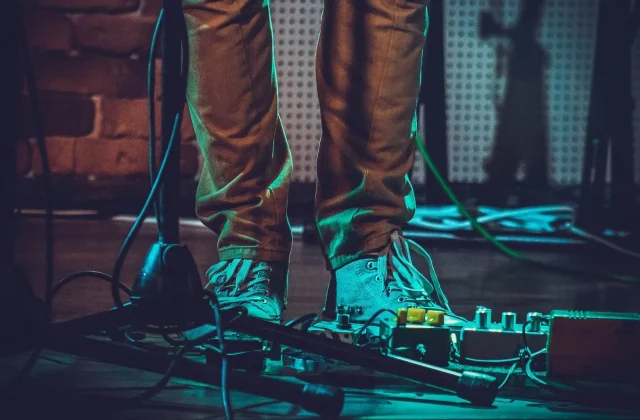
The movement's most distinctive feature was reinterpreting the modal structure of folk melodies on electric guitar and organ. The frets and tone of the bağlama were sometimes brought straight to the stage on an electric version of the instrument, and sometimes imitated on guitar. When the snarl of the fuzz pedal met the free rhythm of traditional long-form songs, the result was a sound both familiar and entirely new. Drum patterns, meanwhile, fused the rhythms of folk dances with rock energy and pulled listeners onto the dance floor.
This musical synthesis took place within the limits of the recording technology of the day. Most recordings were made in a single take with a limited number of channels, which gave the songs a raw, live energy that still impresses today. Echo chambers, tape delays and the wavering tones of the organ's rotating speakers were the main tools that heightened the psychedelic feel. Many of these recordings were released as singles and found a broad audience on the radio, in music halls and at wedding venues.
Echoes that reach today
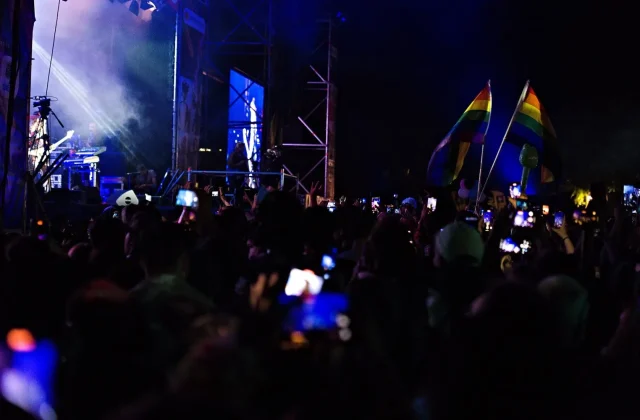
In the eighties the movement's popularity faded, and most of the recordings were forgotten on the shelves. But in the 2000s, collectors and reissue labels in countries around the world rediscovered them. Reissued compilations introduced this sound to international listeners, and a new fan base soon formed. Today, from Europe to Australia, many young bands write songs openly inspired by Anatolian psychedelic rock and play pieces from this repertoire at festivals.
| Topic | Music History |
|---|---|
| Highlights | music history, rock, guitar |
| Reading time | 8 minutes |
| Written by | Emily Carter |
Key takeaways
- In the late sixties, the movement brought folk melodies together with electric guitar and fuzz.
- Limited recording technology gave the songs a raw energy that still impresses today.
- Thanks to reissued compilations, the movement was rediscovered worldwide in the 2000s.
On the local scene, too, this legacy is being revived. Young bands are combining the raw energy of the old recordings with the possibilities of contemporary production; the bağlama is gaining a new identity with electronic effects and synthesizer layers. Music historians stress that the movement's real legacy isn't a single sound but an attitude of boldly bringing the local and the global together. Perhaps that's why, even decades later, these songs still sound fresh and still sound defiant to listeners.
What do you think about this post?

Leave a comment