































































Building a home studio: ground rules for room acoustics, audio interfaces and monitors
To record, you don't need expensive gear, you need the right order. The basics of a home studio, from room acoustics to audio interface, microphone to monitors.
Most people who want to build a home studio start with a shopping list: an audio interface, a microphone, a pair of monitor speakers and maybe a keyboard. Experienced producers, however, say the order should be the exact opposite. What determines recording quality most is often the room itself, before any gear. In this piece we walk through the basic steps of turning a small bedroom into a usable recording space, what to watch for when pairing an interface with a microphone, and the choice between monitors and headphones, with examples for different budgets. Our goal is to get you thinking before you spend. A planned start keeps you from wasting money.
In this article
- Room first, gear second
- Interface and microphone: the right match
- Monitors or headphones?
Room first, gear second
The size, shape and surfaces of the room you record in directly determine what the microphone hears. Bare walls and hard floors reflect sound, adding unwanted reverb to the recording. Resonances between parallel walls also exaggerate certain frequencies. To start with, rugs, heavy curtains, full bookshelves and soft furniture can be surprisingly effective at reducing these reflections. Clapping your hands a few times and listening to how long the echo lasts makes a good first test.
If your budget allows, the second step is acoustic panels. Panels have the greatest effect when placed at the first reflection points facing the sound source and the listening position. Bass traps in the corners even out the bass buildup common in small rooms. Producers stress that soundproofing and acoustic treatment shouldn't be confused: soundproofing stops sound from leaving the room, while acoustic treatment improves the sound inside it. The two call for different solutions and different budgets.
An expensive microphone won't save a bad room, it'll just record it more clearly.
Ethan Brooks
Interface and microphone: the right match
An audio interface is the device that converts the signal from microphones and instruments into digital data your computer can understand. For beginners, a two-input model is often enough; being able to record a microphone and an instrument at the same time covers many needs. Preamp noise levels, driver stability and latency are the key specs to look at when choosing an interface. The power of the headphone output is also an important detail, especially if you'll use high-impedance headphones.
When choosing a microphone, what you'll be recording is the deciding factor. Dynamic microphones pick up fewer reflections in untreated rooms, making them a safe choice to start with. Condenser microphones capture more detail, but they also carry the room's flaws into the recording with the same clarity. That's why producers agree: don't invest in an expensive condenser mic before the room is ready. Small accessories like a mic stand and pop filter easily improve recording quality.
Monitors or headphones?
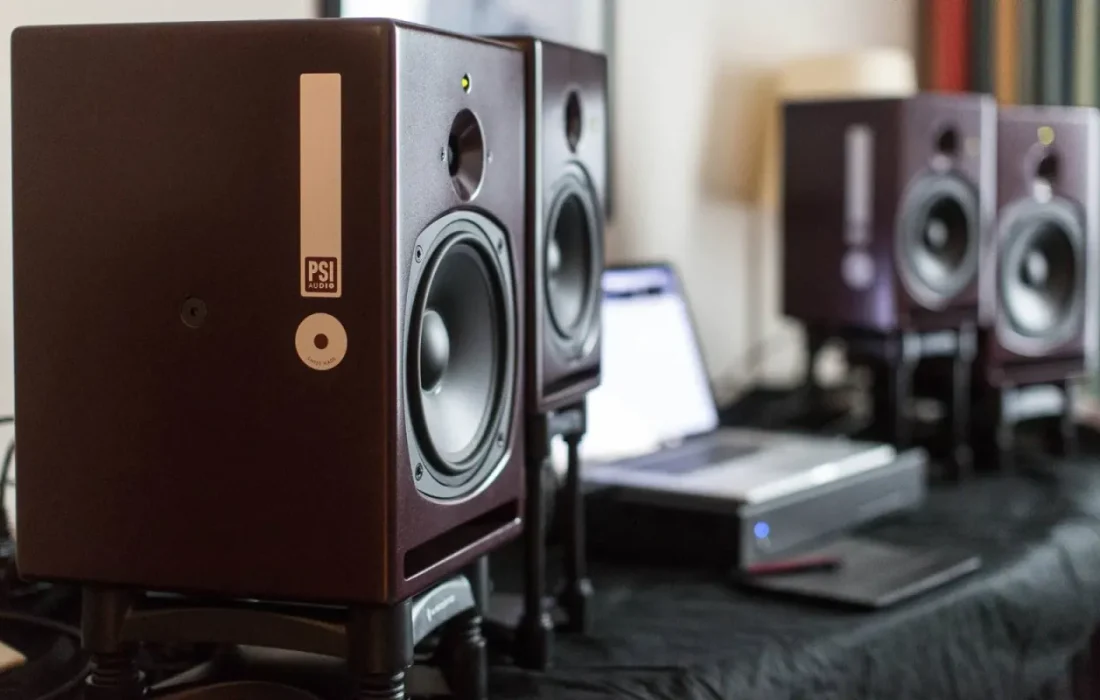
Studio monitors are designed to reproduce sound as it is, without embellishment. That makes it easier to make the right decisions while mixing. In a small, untreated room, however, large monitors can give misleading results in the bass frequencies. That's why monitors with woofers of five inches or smaller are a more balanced choice for small rooms. Placing the monitors so they form an equilateral triangle with the listening position is critical for an accurate stereo image.
| Topic | Studio |
|---|---|
| Highlights | home studio, production, gear |
| Reading time | 8 minutes |
| Written by | Ethan Brooks |
Key takeaways
- In a home studio, the first investment should go into room acoustics, not gear.
- In untreated rooms, dynamic microphones offer a safer start.
- Mix decisions should be made by comparing monitors, headphones and a phone speaker.
Headphones are an indispensable companion in home studios. Closed-back headphones are preferred during recording to stop sound bleeding into the microphone, and open-back headphones, which offer a more natural soundstage, for mixing. Producers recommend not making mix decisions on headphones alone, and comparing across monitors, headphones and a phone speaker where possible. This habit keeps your song sounding consistent in different settings and catches mistakes early.
What do you think about this post?
Leave a comment