






























































City Symphony’s ‘North Wind’ night: an electronic experiment in the concert hall
The City Symphony Orchestra packed the hall with 'North Wind', a program built around a modular synthesizer and live visuals. We've put together a short video recap of the concert.
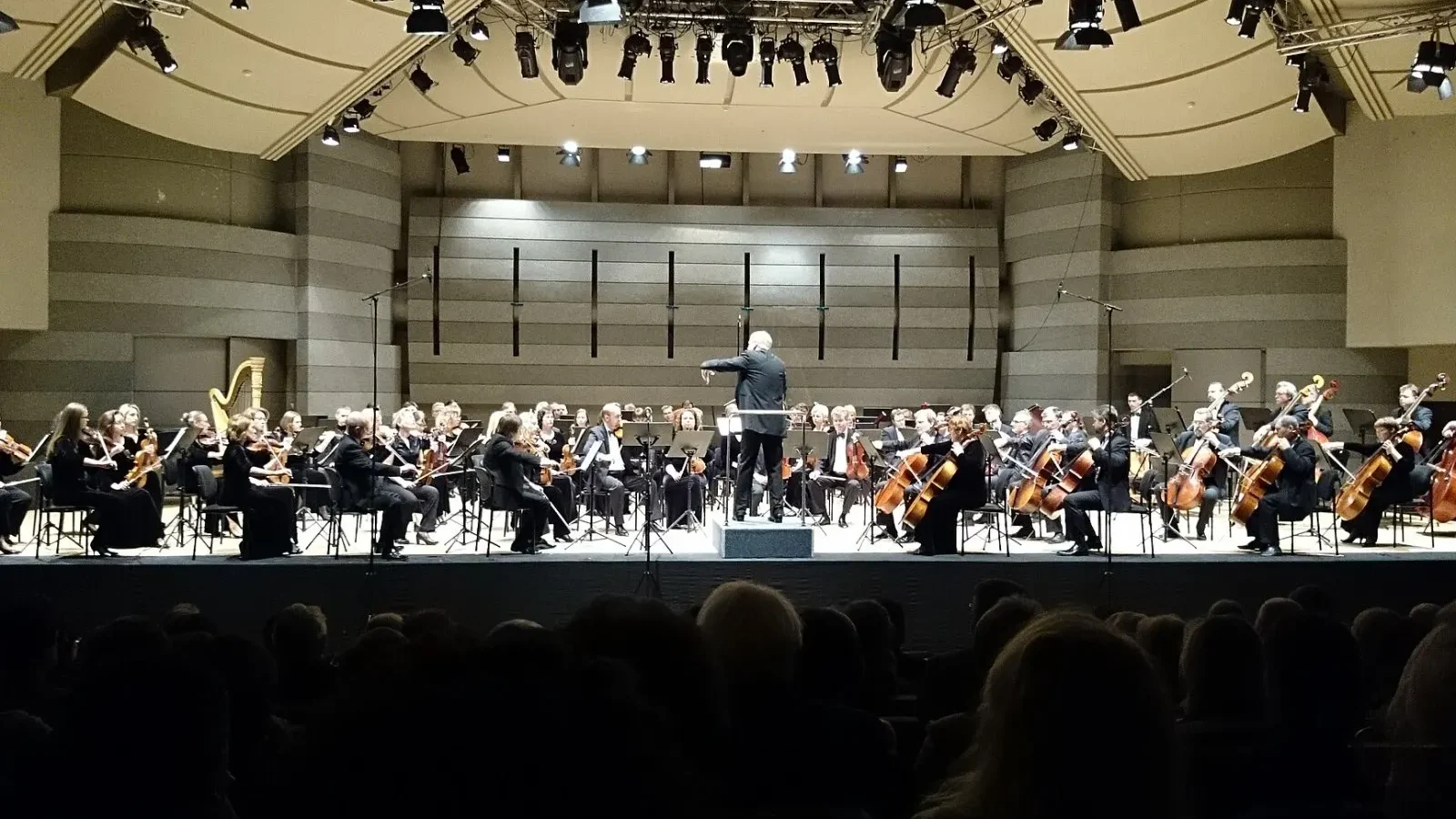
The City Symphony Orchestra's 'North Wind' night, billed as the most ambitious program of its season, played to a full house last Saturday. For two hours, the eighty-piece orchestra wove classical repertoire together with electronic textures, joined by a modular synthesizer rig placed at the center of the stage and live visuals projected onto the backdrop. The orchestra announced that more than half the tickets were sold to young people attending a symphony concert for the first time. We've put together a short video recap, and in the article you'll find what the conductor and the electronic musician on stage told us about rehearsals. After the night's success, the orchestra plans to stage the program again in spring. The video recap is at the very top of the article.
In this article
- Eighty musicians and a modular synth
- What happened in the hall?
- Classical music's new listeners
Eighty musicians and a modular synth
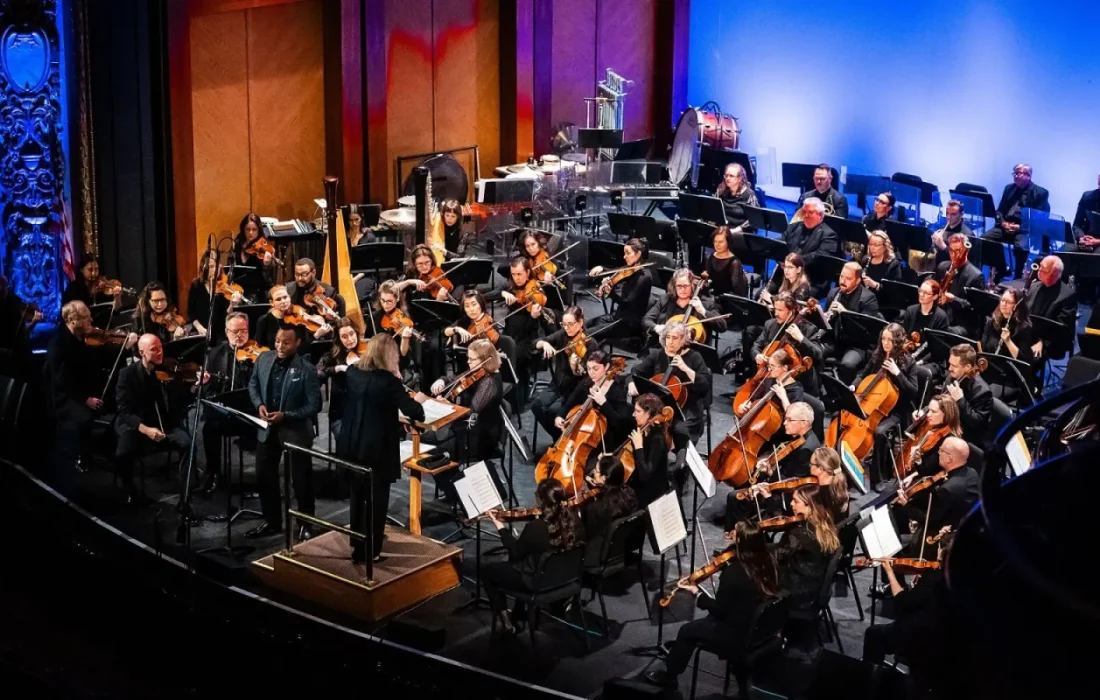
The 'North Wind' program is the most ambitious step yet in the new-audiences project the orchestra launched two years ago. The eighty-piece orchestra took the stage alongside an electronic musician playing a modular synthesizer rig set up at the center of the stage. Alongside two works from the Romantic era, the program included a new piece commissioned especially for this concert, interweaving orchestra and electronic sound. Rehearsals took about four months and were far from easy.
The conductor says the hardest part was striking the balance between orchestra and synthesizer. The electronic sounds mustn't drown out the acoustic instruments, yet they had to be strong enough to fill the hall. That's why a special sound design was created for the hall's acoustics, with speakers hidden among the orchestra. The electronic musician, meanwhile, reconfigured the synthesizer rig at every rehearsal to follow the orchestra's tempo changes live, constantly updating the score.
An orchestra isn't a machine, but it can learn to talk to one.
Mark Ellison
What happened in the hall?
The concert began in silence as the hall lights went completely dark. Then a low hum from the synthesizer slowly merged with the deep notes of the double basses. Visuals projected onto the backdrop showed abstract shapes evoking northern forests swaying in the wind and snowstorms. Especially in the finale of the new piece, as the orchestra played at full force, the synthesizer's rising tone created a real sense of wind in the hall. Many listeners described that moment as the high point of the night.
The classical works in the first half of the program were also reimagined with electronic touches, but those touches were kept restrained. While the original structure of the Romantic-era works was preserved, the synthesizer formed a subtle background layer in some transitions. At the end of the concert the audience gave a standing ovation that lasted for minutes, and the orchestra returned to the stage twice. In our video you'll find short clips from the finale along with behind-the-scenes footage from rehearsals. Headphones recommended for the sound.
Classical music's new listeners
The orchestra's management announced that more than half of the tickets were sold to young people attending a symphony concert for the first time. At the orchestra's regular concerts, that figure was below 15%. Rehearsal footage shared on social media and collaborations with electronic music communities proved effective in reaching this new audience. In a short survey after the concert, most attendees said they wanted to come to the next classical concert too. That's a significant success for the orchestra.
| Topic | Concerts |
|---|---|
| Highlights | classical music, electronic, concert |
| Reading time | 5 minutes |
| Written by | Mark Ellison |
Key takeaways
- City Symphony brought its eighty-piece orchestra and a modular synthesizer to the same stage.
- More than half the tickets went to young people at their first symphony concert.
- The program will be staged in two more cities in spring.
This success has also reignited the debate over whether classical music institutions need to find new ways to reach new listeners. Some critics worry that electronic touches could water down the classical repertoire. The orchestra's management argues that programs like this won't replace classical concerts; on the contrary, they'll be a doorway leading new listeners to the traditional repertoire. The program will be staged in two more cities in spring, with tickets going on sale in December.
What do you think about this post?

Leave a comment