






























































Drummer Ben Archer: ‘I found the groove by fighting the metronome, then we made peace’
With more than twenty years on stage, Ben Archer, one of the most in-demand session drummers around, talks about rhythm, patience and learning to listen.
With more than twenty years on stage, Ben Archer, one of the most in-demand session drummers around, talks about rhythm, patience and learning to listen.
You've probably seen Ben Archer's name on the back of album sleeves, in the small print of musician credits. One of the most sought-after session drummers for over twenty years, Archer has played on dozens of albums and hundreds of concerts, yet never put his own name in the spotlight. We met him at his rehearsal studio in Soho, between soundproofed walls. He told us about a journey that began with kitchen pots as a child, his long fight with the metronome, the subtleties of serving someone else's song in the studio and his advice for young drummers. The line we underlined most was about listening. The full interview is a small lesson for anyone interested in rhythm.
In this article
- From kitchen pots to a first kit
- Being a drummer in the studio
- Three tips for young drummers
From kitchen pots to a first kit
Archer's first encounter with music came as a child, with the pots and pans in his mother's kitchen. He laughs as he recalls playing along to songs on the radio with wooden spoons, and how his family never once silenced him despite the neighbors' complaints. At twelve, at a neighborhood wedding, he sat behind a real drum kit for the first time. 'The day I picked up the sticks, I knew I'd never do anything else,' he says. He bought his first kit with money he saved working two summers.
He says he taught himself in his teens, and when he finally met a teacher he had to correct many bad habits. His biggest struggle was with the metronome. 'For years I thought the metronome was slower or faster than me,' he explains, 'but the problem was me.' When he stopped fighting the metronome and learned to listen to it, he realized his sense of rhythm had completely changed. That experience became the foundation of his approach to drumming, and it's still the first lesson he passes on to his students.
A good drummer isn't the one who plays the most, it's the one who listens the most; space is a beat too.
Sophie Laurent
Being a drummer in the studio
For Archer, studio drumming requires a very different skill from live drumming. On stage, he explains, energy and showmanship come first, while in the studio every hit is magnified by the microphones. That's why he stresses the importance of playing less but more cleanly in the studio. 'When I play drums on a song, my job isn't to show off my skills, it's to carry the song,' he says. Over the years, this approach has made him one of the most sought-after names in the studio.
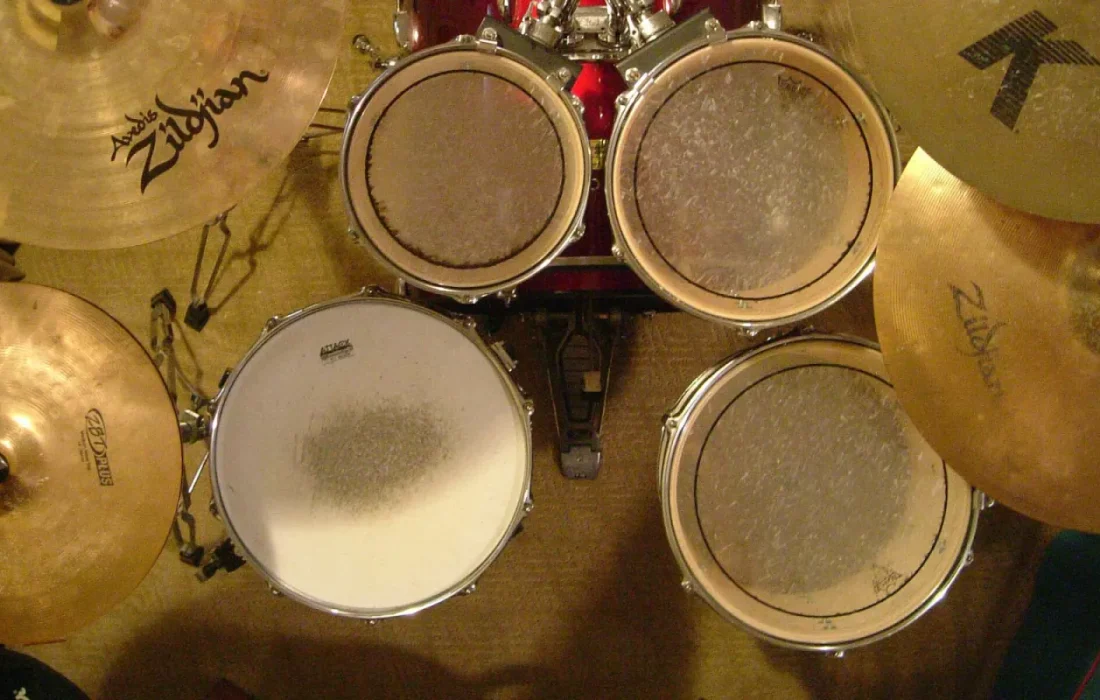
He says what he values most in the studio is listening. Before starting on a song, he listens to the demo again and again, paying attention to the lyrics and the moments where the vocal breathes. He believes the drums should respect those spaces rather than fill them. When working with sound engineers, he adds, the tuning of the drums and where the kit sits in the room matter just as much as how you play. For him, a good drum sound starts long before anyone hits record.
Three tips for young drummers
His first tip for young drummers is to make peace with the metronome. He says at least fifteen minutes a day should go to practicing at slow tempos with a metronome. His second tip is to play different styles: trying jazz, funk, rock and folk rhythms enriches a drummer's vocabulary. His third tip is to protect your hearing. He stresses that after years of playing without earplugs he lives with a slight ringing, and he doesn't want young players to repeat that mistake.
| Topic | Interviews |
|---|---|
| Highlights | interview, drums, production |
| Reading time | 7 minutes |
| Written by | Sophie Laurent |
Key takeaways
- Ben Archer discovered music as a child with kitchen pots.
- In studio drumming, serving the song and listening come first.
- Young drummers are advised to practice with a metronome, play different styles and protect their hearing.
In recent years Archer has started teaching young drummers at his own rehearsal studio. He says that in the first lesson he asks his students not to play a song but to listen to it. He thinks drumming is meaningless if you don't notice where a song breathes, where it rises and where it falls silent. At the end of our interview he picked up his sticks, played a short groove and then left a long silence. 'There,' he said, 'space is a beat too, and it's the hardest one.'
What do you think about this post?

Leave a comment