




















Starting violin after thirty: adult students on the challenges of the first year
The violin is known as one of the hardest instruments to learn as an adult. Three students who've finished their first year, and their teachers, share their experiences.
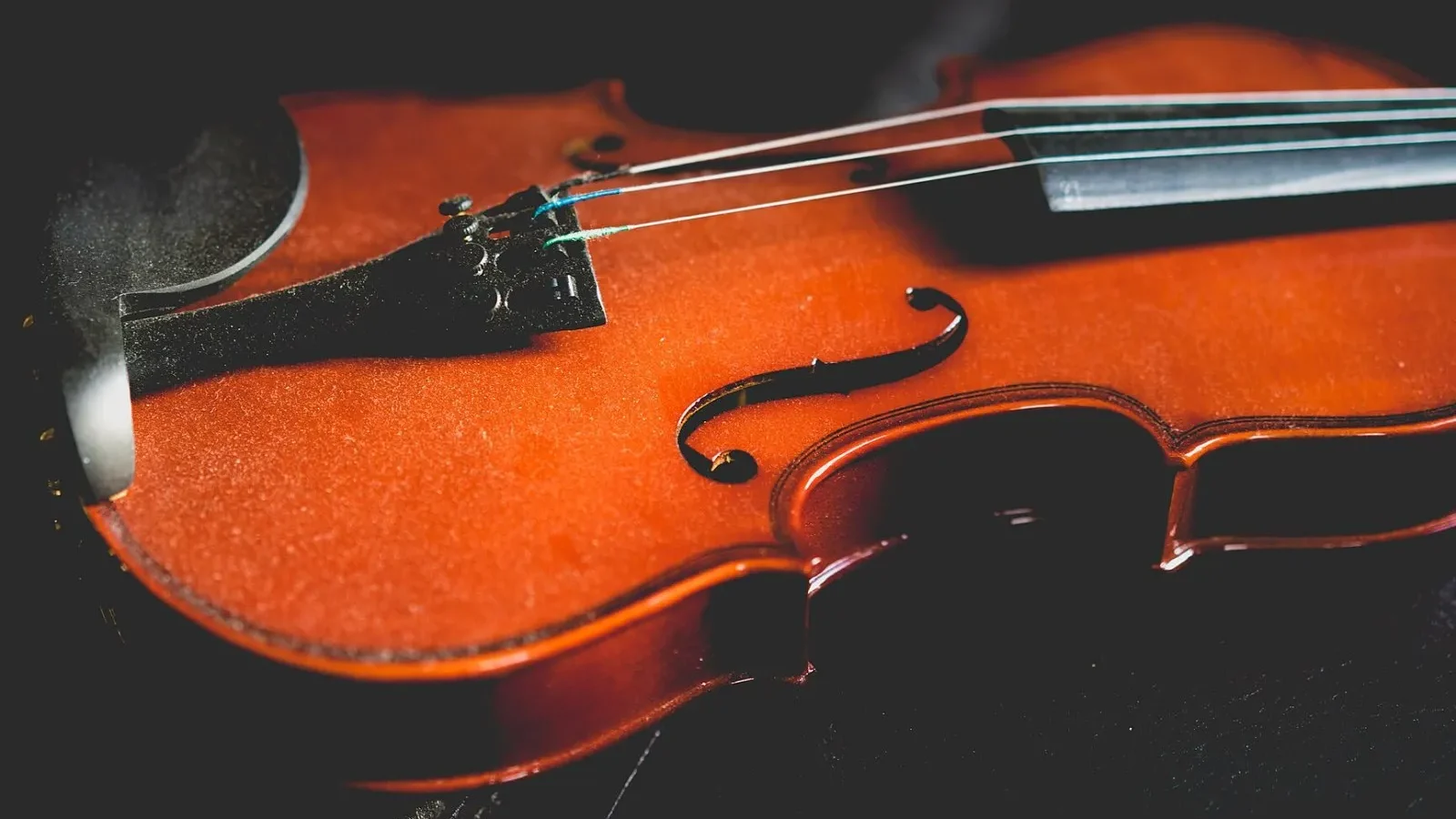
The violin is known as an instrument you should start as a child; the fretless fingerboard, bowing technique and correct posture make the first months a serious test of patience for an adult learner. Even so, the number of violin students in music schools' adult classes grows every year. We spoke to three students who took up the violin in their thirties and forties and have completed their first year, along with their teachers. They told us why they chose this instrument, about the squeaky sounds of the first weeks, the sore muscles and the small victories. The teachers emphasized setting realistic goals and practicing regularly. Their stories are a reminder that it's never too late to learn an instrument.
In this article
- Why the violin?
- The first months: squeaks, patience and posture
- Teachers' advice
Why the violin?
The three students we spoke to chose the violin for very different reasons. A 34-year-old software developer says she wanted to take violin lessons as a child, but her family couldn't afford it. A 41-year-old teacher says that after hearing a violin solo at a concert, he went home and researched courses that same night. A 37-year-old nurse explains that she was looking for something completely different to clear her head after her hectic shifts. All three ended up in the same class.
What the three students have in common is that they set out knowing how hard the violin is. They all say they often hear the question, 'Why don't you pick an easier instrument?' But for them, the sound of the violin is special enough to be worth the difficulty. Their teacher says adult learners tend to be more patient and determined than children and grasp technical concepts faster. She adds that the biggest obstacles for adult learners are usually time and confidence.
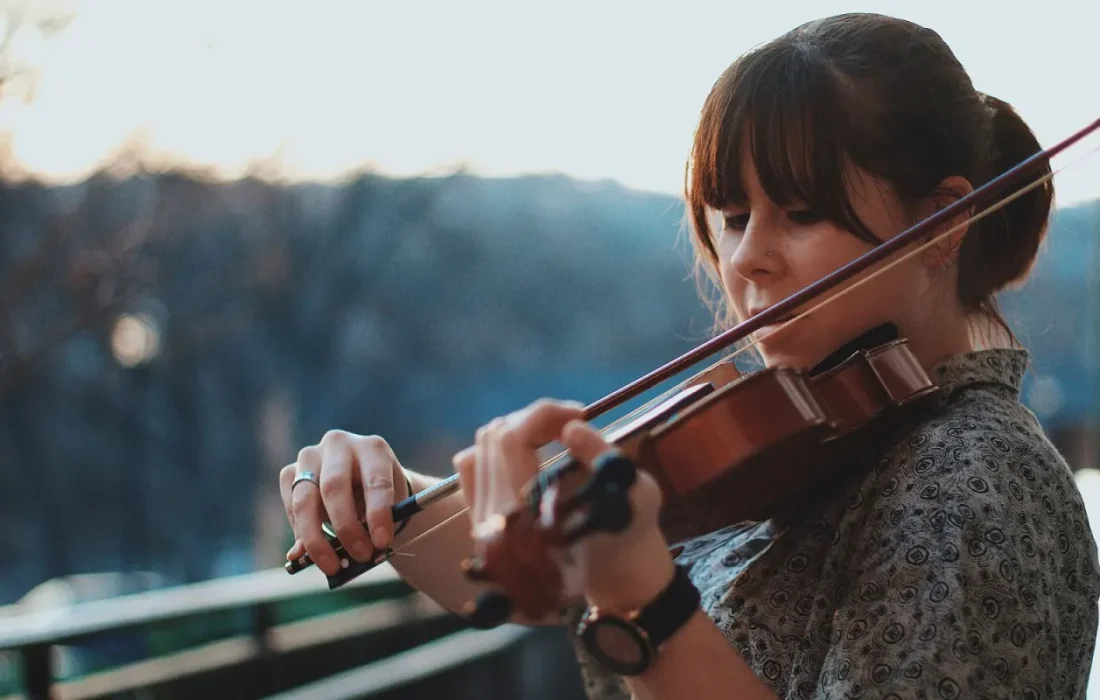
In the first month I apologized to my neighbors; by the sixth, they were knocking on my door to request songs.
Ethan Brooks
The first months: squeaks, patience and posture
The first months were a test of patience for all three. Drawing the bow across the strings at the right angle and with the right pressure seemed almost impossible at first. The squeaky sounds that resulted tested the patience of both the students and their neighbors. One student laughs as she recalls apologizing to her neighbors every evening before practice in the first month. Finding the right note on the fretless fingerboard also takes ear training; tuning apps made this much easier and helped them progress quickly.
Posture is another major challenge for adult learners. Holding the violin between chin and shoulder and moving the bow arm at the right angle can cause neck, shoulder and back pain in the first weeks. Teachers say short warm-ups before practice and the right shoulder rest reduce this pain. If the pain persists, they stress the importance of seeing a physiotherapist or another specialist. Listening to your body is a prerequisite for progress.
Teachers' advice
The teachers' first piece of advice is to set realistic goals. An adult learner being able to play simple melodies with a clean tone by the end of the first year should be seen as a big achievement. Instead of long, infrequent sessions, short daily sessions of twenty to thirty minutes build muscle memory and keep motivation up. Regularly recording and listening back to your own practice is also an effective way to notice progress and spot weak points. Celebrating small wins keeps the process enjoyable.
| Topic | Instruments |
|---|---|
| Highlights | classical music, gear, live performance |
| Reading time | 6 minutes |
| Written by | Ethan Brooks |
Key takeaways
- Adult learners can be more patient and determined than children.
- If posture-related pain persists in the first months, see a specialist.
- Short daily practice and playing with others keep motivation alive.
Teachers also advise adult learners to play with others as soon as possible. Amateur orchestras, chamber groups and ensemble sessions within the course both boost motivation and sharpen listening skills. When it comes to the instrument, renting or an affordable student violin is enough at first. What matters is that the violin has been properly set up by a luthier. All three students say they've started their second year with the same enthusiasm and have no plans to quit.
What do you think about this post?
Leave a comment