




























































The saxophone’s long journey: from military bands to midnight jazz clubs
Designed for military bands in the nineteenth century, the saxophone became the sound of jazz in the twentieth. Here is the story of an instrument that traveled between genres.
The saxophone was designed in the 1840s by a Belgian instrument maker to combine the flexibility of woodwinds with the power of brass. In its early years it belonged to military bands and open-air orchestras; classical composers didn't warm to it much. At the start of the twentieth century, however, jazz, born in America's port cities, claimed the saxophone and made it one of the instruments closest to the human voice. In this piece we trace the saxophone's journey from military bands to jazz clubs, then on to rock stages and electronic music, through the changing of genres. A short but colorful history that still echoes on today's stages. Each stop on the journey ends with a suggested listening list.
In this article
- From an inventor's workshop to the bandstand
- Becoming the sound of jazz
- The saxophone from rock to electronic
From an inventor's workshop to the bandstand
The saxophone was designed in the mid-nineteenth century with the idea of combining the expressiveness of woodwinds with the volume of brass. Its inventor conceived the new instrument as a family in different sizes; stretching from soprano to bass, this family aimed to add a new color to orchestras. Despite its metal body, the saxophone was classed as a woodwind because its sound is produced by the vibration of a single reed. This dual identity would shape the instrument's later journey.
In its early years, the saxophone found its place mostly in military bands and open-air orchestras. Its powerful sound, its ability to carry across open spaces and its portability were big advantages for bands. The classical music world, however, kept its distance; the saxophone never earned a permanent seat in symphony orchestras. Only a few composers set aside special moments of color for it in their works. That distance paved the way for the saxophone to find its true home in another musical world.
The saxophone is the only horn that can whisper in a crowded room.
Emily Carter
Becoming the sound of jazz
Born in the port cities of the American South at the start of the twentieth century, jazz fed on the meeting of different musical traditions. Saxophones left over from the bands took on an entirely new character in the hands of this new music. The saxophone's flexible tone, its voice-like expressiveness and its suitability for improvisation soon made it one of jazz's most important solo instruments. In the thirties and forties, the sax sections of big jazz orchestras became one of the defining elements of the music's sound.
When jazz turned toward smaller groups and more complex improvisation in the late forties, the saxophone was at the center of that transformation too. Fast, technical solo lines, new harmonic explorations and the intimate atmosphere of midnight clubs turned the saxophone from an instrument into a means of expression. In the following decades, movements such as free jazz and modal jazz pushed its sonic limits even further. Along the way, the instrument became a symbol of emotional and experimental expression and captivated listeners.
The saxophone from rock to electronic
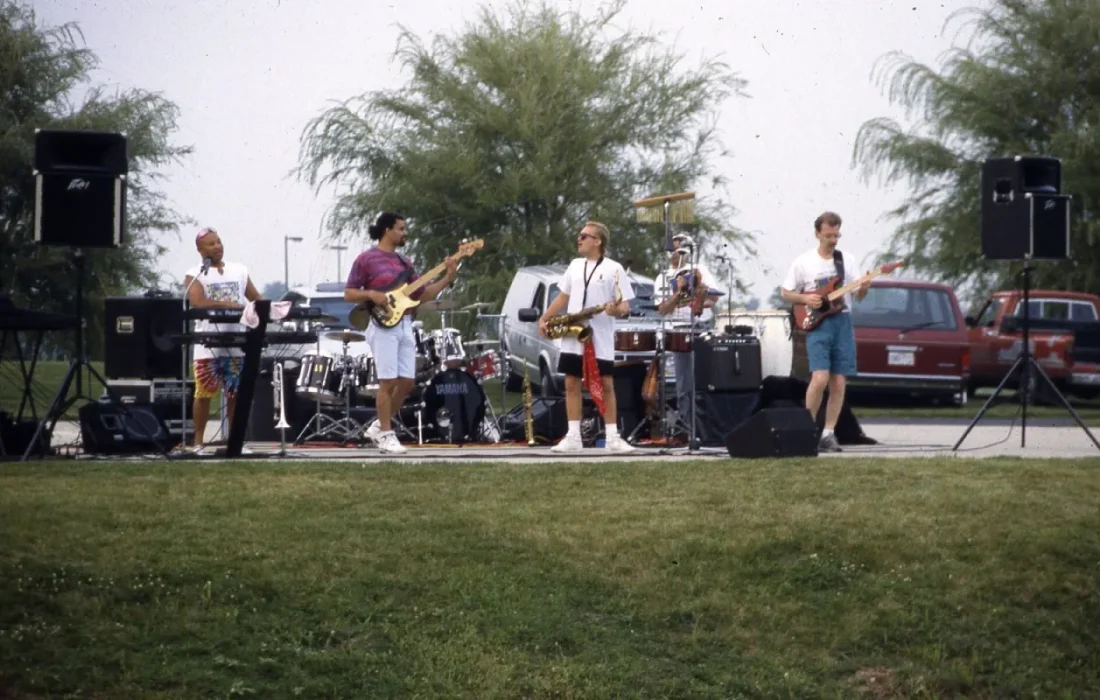
With the birth of rock and roll in the fifties, the saxophone moved onto a new stage. In early rock songs, sax solos were as prominent as the guitars. In the decades that followed, the saxophone also became an essential color in soul, funk and pop, adding warmth and energy to songs. In the eighties, romantic sax solos in pop songs became one of the era's most recognizable sonic signatures. The saxophone was thus rediscovered by every generation.
| Topic | Music History |
|---|---|
| Highlights | jazz, music history, live performance |
| Reading time | 7 minutes |
| Written by | Emily Carter |
Key takeaways
- Despite its metal body, the single-reed saxophone belongs to the woodwind family.
- First at home in military bands, the instrument found its true identity with jazz.
- Today the saxophone is being rediscovered in rock, pop and electronic music.
Today the saxophone is finding an unexpected place in electronic music too. Many producers combine saxophone recordings with electronic beats and effects to create new textures. Young jazz musicians, meanwhile, are bringing the saxophone back to center stage in projects that blend traditional jazz with hip hop, electronic and world music. This journey from military bands to jazz clubs, rock stages to electronic clubs shows how adaptable and endlessly renewable the instrument is.
What do you think about this post?
Leave a comment