































































The invisible hand at the desk: what exactly is the difference between mixing and mastering?
With an experienced mix engineer and a mastering specialist, we explain on video the two critical stages a song goes through after recording.
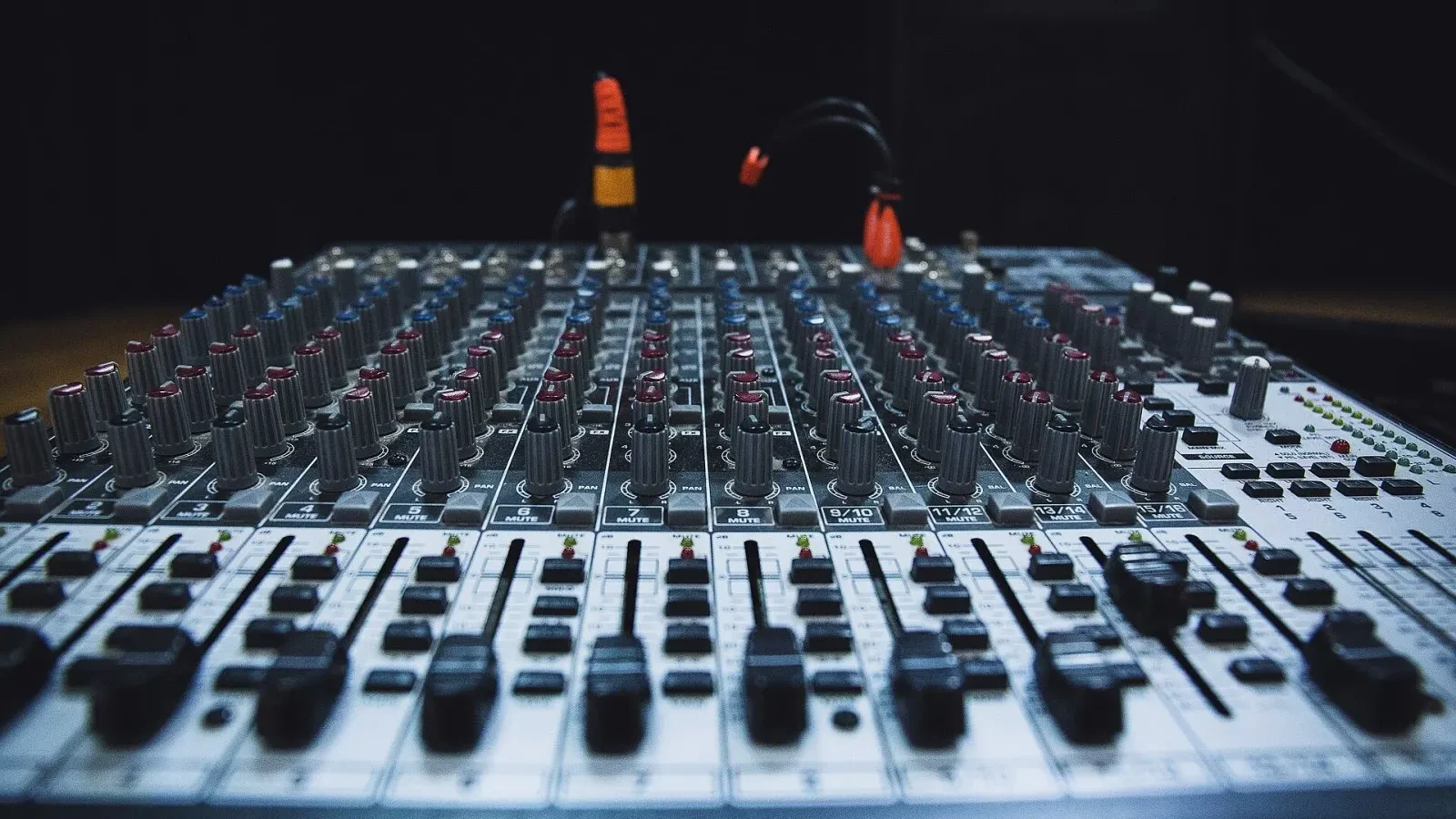
When a song's recording is finished, the work has only just begun. Raw recordings made up of dozens of channels are first balanced against each other in the mix, then take their final form in mastering. Yet even musicians often confuse the two. In our video feature, we worked on the same song with a mix engineer and a mastering specialist, each with twenty years of experience, to show what each stage does, which decisions belong to which stage and what can realistically be done in a home studio. You can also compare the example recordings side by side. At the end of the article you'll find simple exercises to try at home. We recommend watching the video with headphones.
In this article
- Mixing: balance between instruments
- Mastering: the science of the final polish
- Can you do it at home?
Mixing: balance between instruments
Mixing is the stage where all the recordings that make up a song are brought together and balanced. Drums, bass, guitars, vocals and other instruments reach the mix engineer, each recorded on separate channels. The engineer adjusts the levels of these channels, their position in the stereo field and their frequency distribution. That way, each instrument becomes audible in its own space. In our video you can compare the raw recordings of the same song with its mixed version.
Tools such as EQ, compression and reverb are used during mixing. EQ separates the frequency ranges of instruments to prevent clashes. Compression keeps dynamics under control so the performance sounds more even. Reverb and delay effects add depth and a sense of space to the song. Our experienced mix engineer stresses that each of these tools should be used in moderation, as overprocessing can kill a song's natural energy. Simplicity is often the best result.
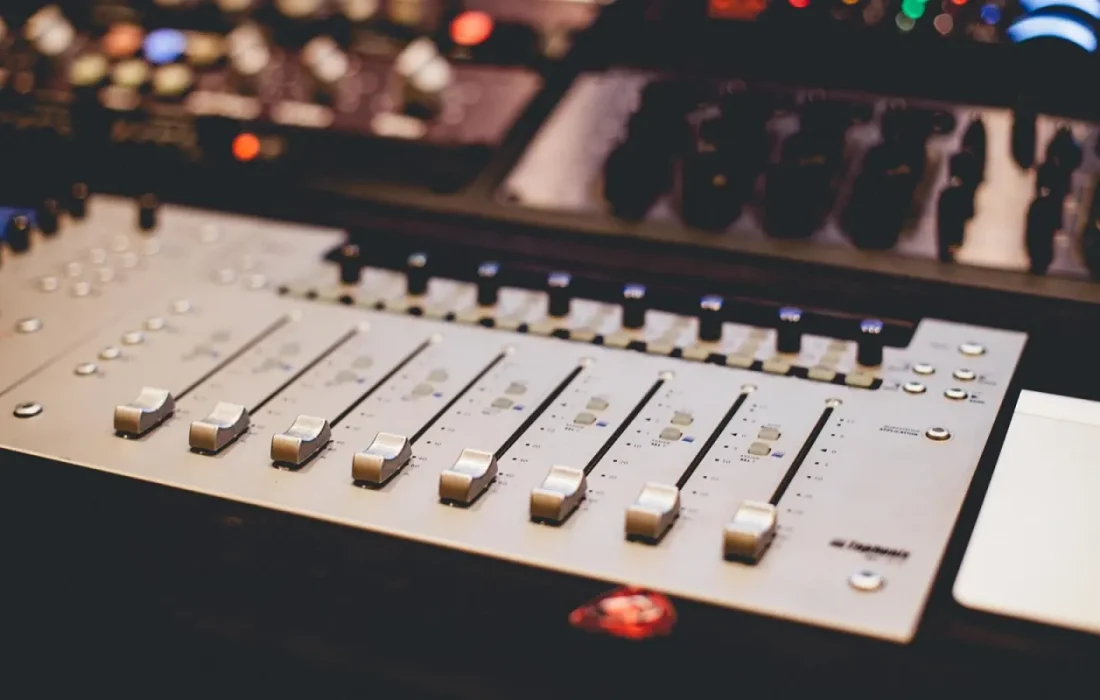
A good mix is made of hundreds of small decisions the listener never notices.
Ethan Brooks
Mastering: the science of the final polish
Mastering is the final processing stage applied to a finished mix. At this point the work is no longer on individual instruments but on the song as a whole. The mastering engineer adjusts the song's overall tonal balance, loudness and dynamics so that it sounds consistent across different listening environments. On an album, mastering also ensures every song shares a cohesive sonic character and a similar level. This directly affects the album's flow.
Our mastering specialist says the most important tools at this stage are a skilled ear and a well-treated listening room. Mastering studios are equipped with specially designed rooms with an extremely flat frequency response and precise monitoring systems. This makes it possible to uncover small problems that went unnoticed during mixing. The specialist stresses that good mastering shouldn't change a song's soul, only present it at its best. The lightest touch is often the right one.
Can you do it at home?
Mixing in a home studio is possible with the right tools and patience. Today's software offers digital versions of many of the tools used in professional studios. But the most important factors are the room's acoustics and a trained ear. Our mix engineer advises home mixers to use professional recordings they like as references and compare them with their own mixes often. Taking short breaks and resting your ears is also essential to making the right calls.
| Topic | Studio |
|---|---|
| Highlights | production, home studio, gear |
| Reading time | 7 minutes |
| Written by | Ethan Brooks |
Key takeaways
- Mixing balances the level, position and frequency of individual instruments.
- Mastering prepares the whole song to sound consistent in different settings.
- Mixing at home is possible, but for important releases an expert ear is recommended for mastering.
When it comes to mastering, the experts are more cautious. Mastering at home can give misleading results, especially in untreated rooms. Automated mastering tools offer a quick fix, but they may not suit every song's needs. Before an important release, the safest route is to have a different pair of ears, an experienced mastering engineer, listen to your song. Our specialist says he even sends his own mixes to a colleague for mastering; fresh ears are always valuable.
What do you think about this post?
Leave a comment