


















































Solar power in sub-Saharan Africa: Light reaches off-grid villages
In villages never connected to the power grid, solar panels are transforming daily life. We traced an energy revolution in photographs.
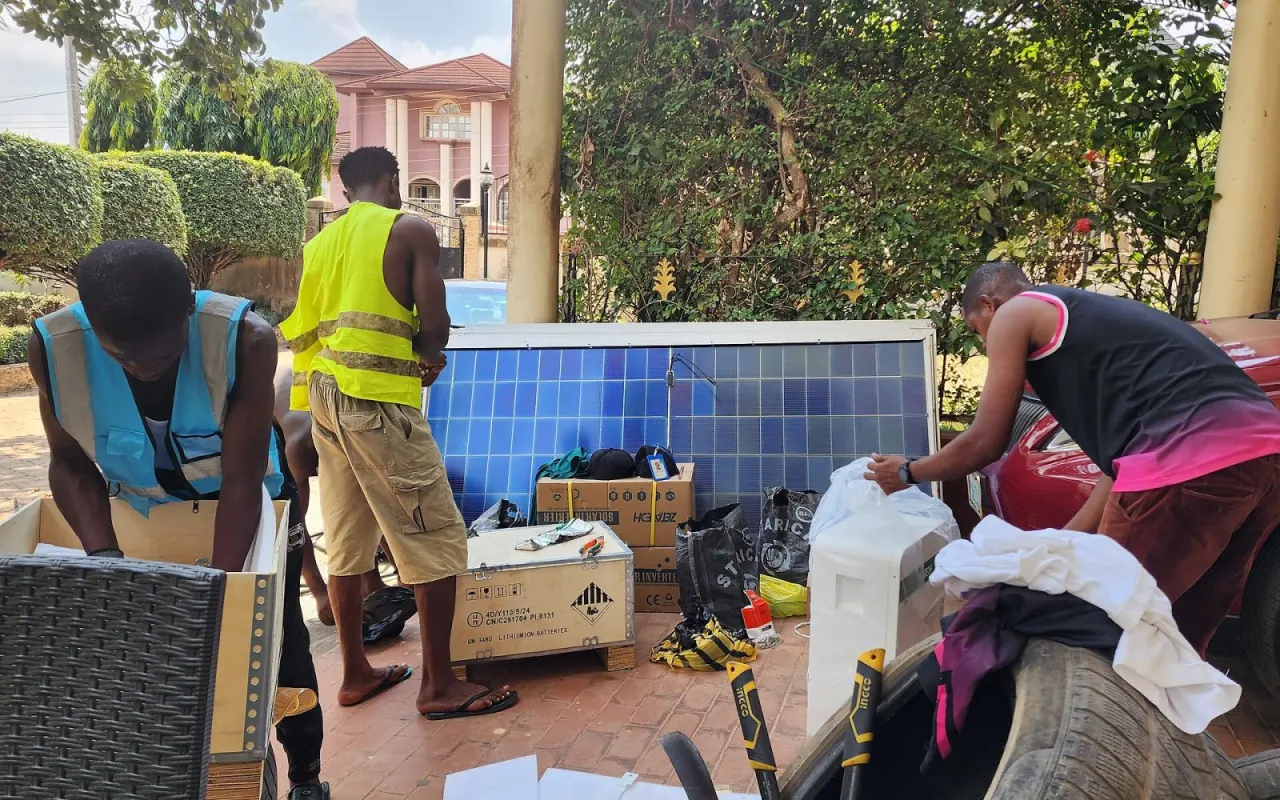
Table of contents
Millions of people in sub-Saharan Africa still live without access to the power grid. Solar panels and mini-grids, which have become much cheaper in recent years, are rapidly changing daily life in these villages. In villages across two countries, our photographer documented children who can now study in the evening, clinics that can store vaccines and small businesses that make a living charging phones. But maintaining the systems and sourcing spare parts remain major obstacles to long-term sustainability. This photo essay shows the energy transition at its most tangible.
Evenings changed by the arrival of light
In the village, life used to come to a standstill when the sun went down. Meals were prepared by kerosene lamp or candlelight, and children went to bed early. Now, thanks to small panels on the roofs and a shared battery system, light bulbs glow in the homes. Our photographer captured the warm light spilling from a window in the evening as one of the most striking images of this transformation.
With light, the evenings have taken on a new purpose. Children study, women earn extra income weaving mats or sewing, and older people chat in the village square until later at night. One teacher says her students' exam grades have risen noticeably, but that this may depend not only on the light but also on an improvement in families' overall morale.
When the light came, the village got its evenings back.
Ethan Brooks
Schools, clinics and phone charging
The school, the clinic and phone charging are the three places where energy is put to the most tangible use. The school can use computers and a projector, the clinic can keep vaccines and medicine in a cold chain, and at the village shop, phone charging has become a small business. One health worker says being able to deliver babies with light at night has changed lives. Vaccination schedules that can now be planned a day ahead also give residents real peace of mind.
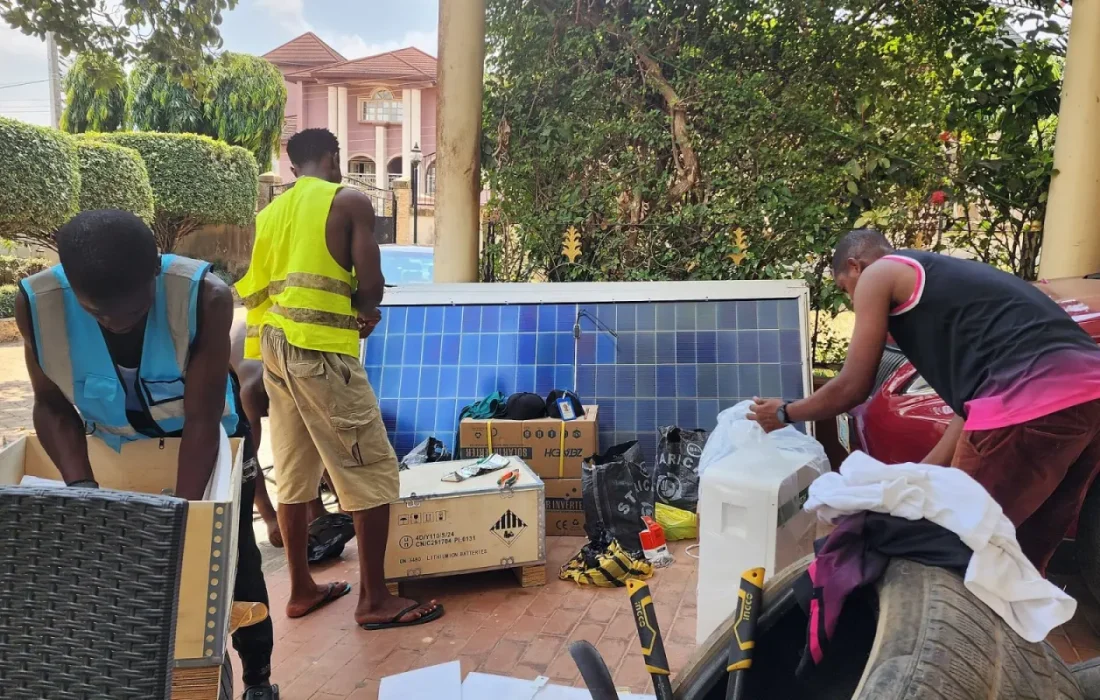
For some households, the cost of these services can be an extra burden. Villagers make a monthly payment for using the panels and batteries, while shop owners earn income from charging services. Payments are collected through a mobile system and shared between the company or cooperative that installed the system and the village committee. The photographs also capture the village committee's meeting on payment day.
The problem of financing and maintenance
Sustainability is the most fragile part of the project. Maintaining the panels, replacing the batteries and finding spare parts when something breaks remain major problems in rural areas. In one village, we found the system had been running at half capacity for a year. The maintenance technician is at the other end of the region, and the parts come from another country. When a fault is reported, a response can take weeks.
| Topic | World |
|---|---|
| Highlights | energy transition, climate crisis, investigation |
| Reading time | 5 minutes |
| Written by | Ethan Brooks |
Key takeaways
- Solar panels have opened up the evenings for study, work and conversation.
- The school, the clinic and the phone-charging shop benefit directly from the energy.
- Maintenance, spare parts and funding are the biggest long-term problems.
Funding is uncertain too. Grants and low-interest loans are used to cover the installation cost of mini-grids, but long-term operating costs often can't be met from village income. Experts say training local technicians, shared spare-parts depots and predictable payment models will determine long-term success. The gallery is a reminder of how important it is that once the light arrives, it stays.

Leave a comment