



























































Table of contents
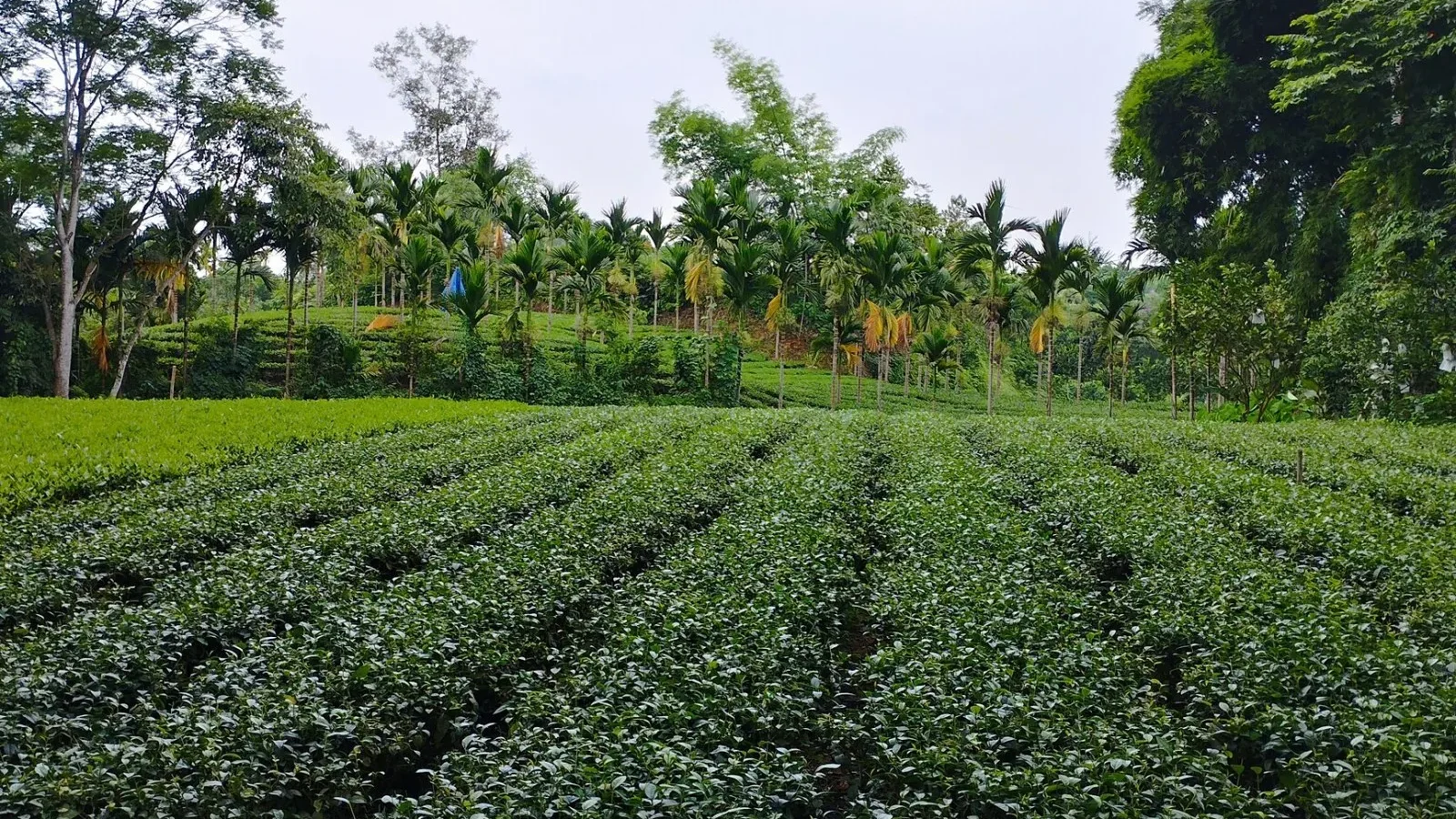
The women who climb to the tea gardens on the steep northern slopes before the sun rises carry on a centuries-old labor. In this long read, we spent the harvest season with three generations of women from the same family. Seventy-year-old Martha recalls the years when tea was carried on people's backs; her daughter describes the change brought by mechanized harvesting, and her granddaughter talks about her dream of going to university. Changing climate conditions have also begun to affect harvest times and the quality of the crop. Their stories reveal the unseen weight of rural women's work and how it is changing.
A workday that starts at dawn
Before the first light of dawn touches the slopes, morning begins for three generations in the family kitchen. Grandmother Martha lights the stove, the mother prepares the teapot, and the young woman decides on the weather with a single quick glance: will they pick tea today? If the sky is clear, they climb the hill at five in the morning. The slope is so steep that the first half hour is spent just walking.
The workday lasts until the afternoon, when the leaves are taken to be weighed. The three women's hands make the same movement at different speeds: two leaves and a bud. Having done this work for fifty years, Martha can still tell them apart with her eyes closed. The mother hums songs as she works so as not to show her fatigue. The young woman helps them during school breaks and says she feels the weight of the work in her own body.
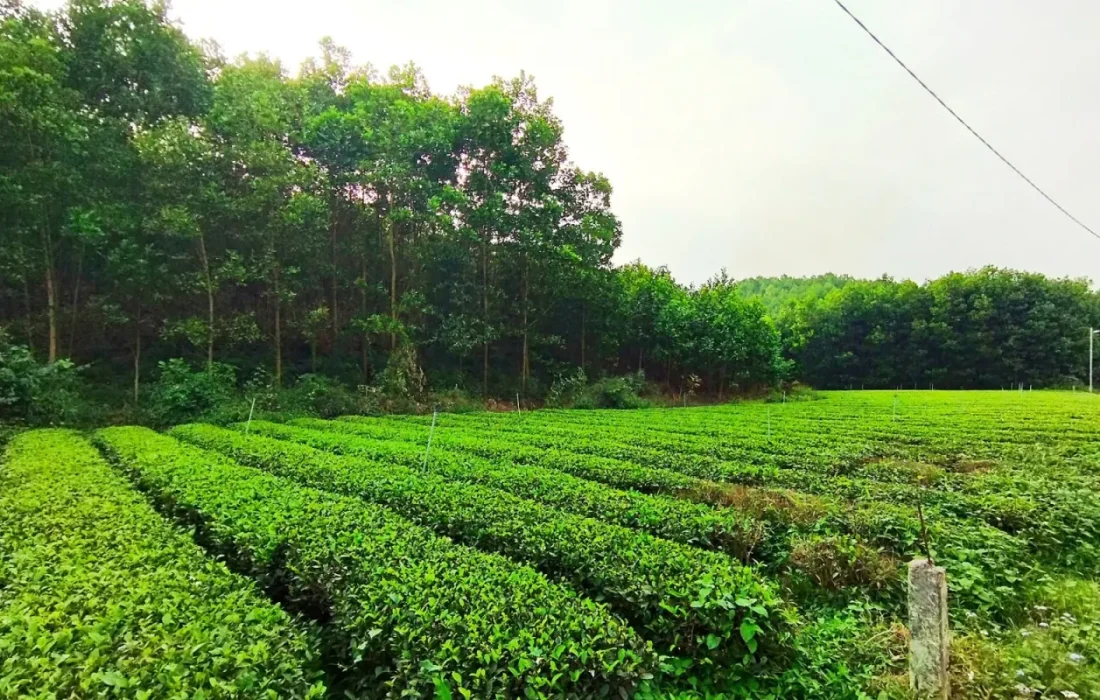
These slopes stayed green thanks to our sweat.
Emily Carter
What the grandmother remembers
Martha's voice softens as she talks about her youth. She remembers that tea was carried on people's backs in those years, that she and the other women in the neighborhood took turns bringing the sacks down the slope, and that they put their babies to sleep on their backs or on a cloth at the edge of the field. She fondly recalls the evenings before electricity came to the village, the conversations under the kerosene lamp. Her eyes fill with tears as she talks, but she quickly pulls herself together and grips her basket again.
Over time, the work has changed. Roads have been built to the more accessible gardens, and mechanical tools have replaced shears at harvest. Still, on the steep slopes, hand labor remains indispensable. Martha says tea gave her bread and gave her granddaughter an education. She adds that the reward for this labor is still not visible enough, and that the women's income mostly disappears into the family's shared account.
The granddaughter's dreams
The granddaughter lives with the dream of going to university. During the harvest season, she picks tea in the mornings and studies for her exams in the evenings. She wants to become an engineer or a teacher, but she doesn't want to cut herself off from the slopes either. She hopes one day to write down what her mother and grandmother have told her, perhaps even to research the story of these gardens at university. To her, village life could be not a step back but a starting point.
| Topic | Long Read |
|---|---|
| Highlights | long read, women's work, climate crisis |
| Reading time | 12 minutes |
| Written by | Emily Carter |
Key takeaways
- Three generations of women work at different speeds on the same slope during the tea harvest.
- The grandmother recalls carrying tea on her back; the mother describes mechanized harvesting.
- Changing rainfall patterns affect harvest times and crop quality.
Changing climate conditions are a worry the generations share. Rainfall patterns have broken down; in some years the harvest has come earlier, and in others the quality of the crop has dropped. With years of experience behind her, Martha says the weather can no longer be predicted the way it used to be. Her daughter and granddaughter also feel this uncertainty makes it harder to plan for the future. All three women share the same hope for the future of the highlands and the gardens.

Leave a comment