






























































Table of contents
For a recent graduate, renting a first home was once the natural step toward independence. In this study, we compared ten years of listings data with entry-level wages to calculate young people's housing burden. In major cities, the rent on a studio apartment rose markedly as a share of a graduate's salary over the period. Most of the young people we spoke with see living with roommates or staying with their parents as a necessity. Sociologist Dr. Eva Billings stresses that this also directly affects decisions about marriage, having children and careers.
How we did the math
We began the calculation with ten years of listings data. We compiled the average monthly rent for studio apartment listings in major cities year by year. We then compared these with entry-level wages published over the same period. We used net pay, because the money a young person actually takes home is very different from the gross figure. For wage data, we drew on records from professional associations and job portals.
We also want to put the weaknesses of our method on record. The asking price in a listing is not always the rent actually paid; room for negotiation and furnished apartments account for the difference. On the wage side, the gap between sectors is large. So instead of a single number, we present a low and a high range. Whichever end of the range you take, the trend points the same way.
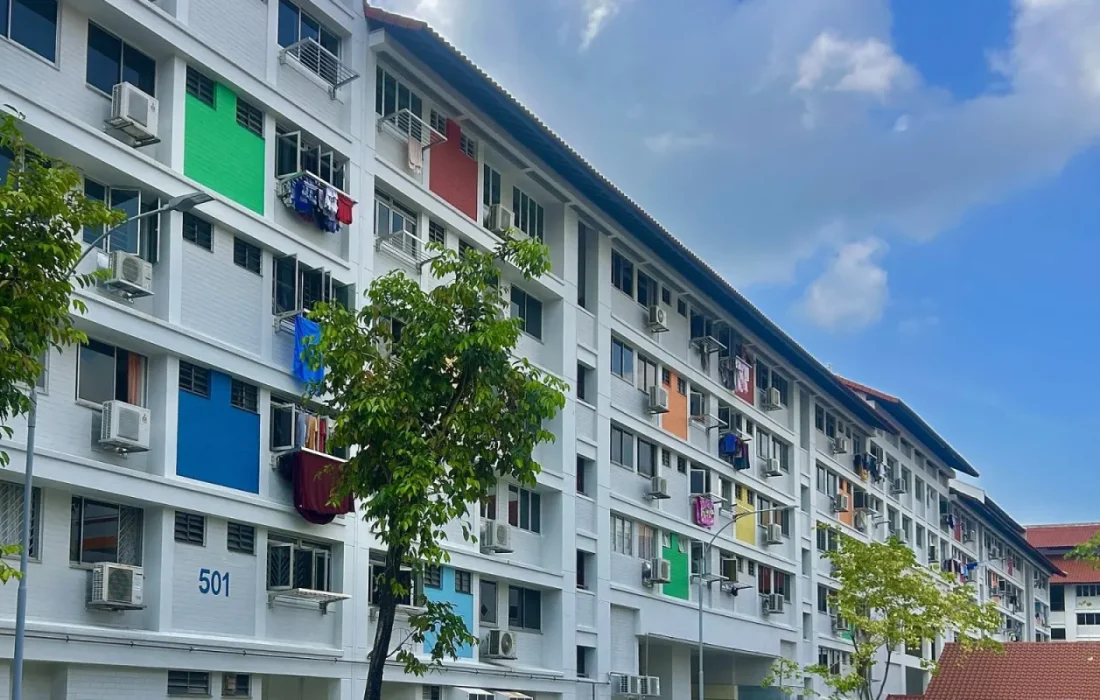
I'm thirty and I still sleep in my childhood bedroom.
Mark Ellison
Rent as a share of salary
Ten years ago, about a third of a recent graduate's salary went to rent on a studio apartment. Today, in most major cities, that share is approaching half, and in some areas it exceeds it. The numbers leave very little for other items such as social life, transportation and food. Saving anything from what's left after rent is almost impossible.
The regional gap is also large. The burden is heaviest in the three biggest metropolitan areas, while the share is lower in mid-sized cities. But because job options in those cities are limited, young people still head for the big cities. That drives up demand and pushes rents higher. So the problem isn't just rent; it's that jobs and affordable housing aren't in the same place.
The generation that can't leave home
The next effect the data reveal is that the age at which young people start living on their own is rising. Most of the young people we spoke with describe living with roommates or staying with their parents not as a choice but as a necessity. Many dreamed of becoming independent when they got their first paycheck, but did the math three months later and moved back home. Young people stress that these delays are not their choice but a necessity imposed by circumstance.
| Topic | Data |
|---|---|
| Highlights | housing crisis, youth, data journalism |
| Reading time | 9 minutes |
| Written by | Mark Ellison |
Key takeaways
- Over ten years, studio rents rose markedly as a share of a graduate's salary.
- In big cities, rent can approach half of a person's take-home pay.
- Rising housing costs make roommates or living with parents a necessity, not a choice.
According to sociologist Dr. Eva Billings, this generation has given up on owning a home and can't even see renting as a long-term plan. Decisions about marriage, having children and career advancement are being put off accordingly. Policy proposals include rental assistance for young tenants, social rental housing and more low-cost dormitory places, but none of them looks sufficient on its own.


Leave a comment