






























































Seasonal hay fever: symptoms and everyday precautions
Sneezing, a runny nose and itchy eyes that start in spring may be a sign of seasonal allergies.
Table of contents
Rising pollen levels in spring and summer cause symptoms such as sneezing, a runny nose, nasal congestion and itchy eyes in many people. This condition, known as seasonal allergic rhinitis or hay fever, can disrupt daily life, sleep quality and performance at work or school. The symptoms can be mistaken for a cold, but they last longer and follow a different course. In this article, we look at the symptoms of hay fever, how it differs from a cold and the precautions you can take in everyday life.
What is hay fever?
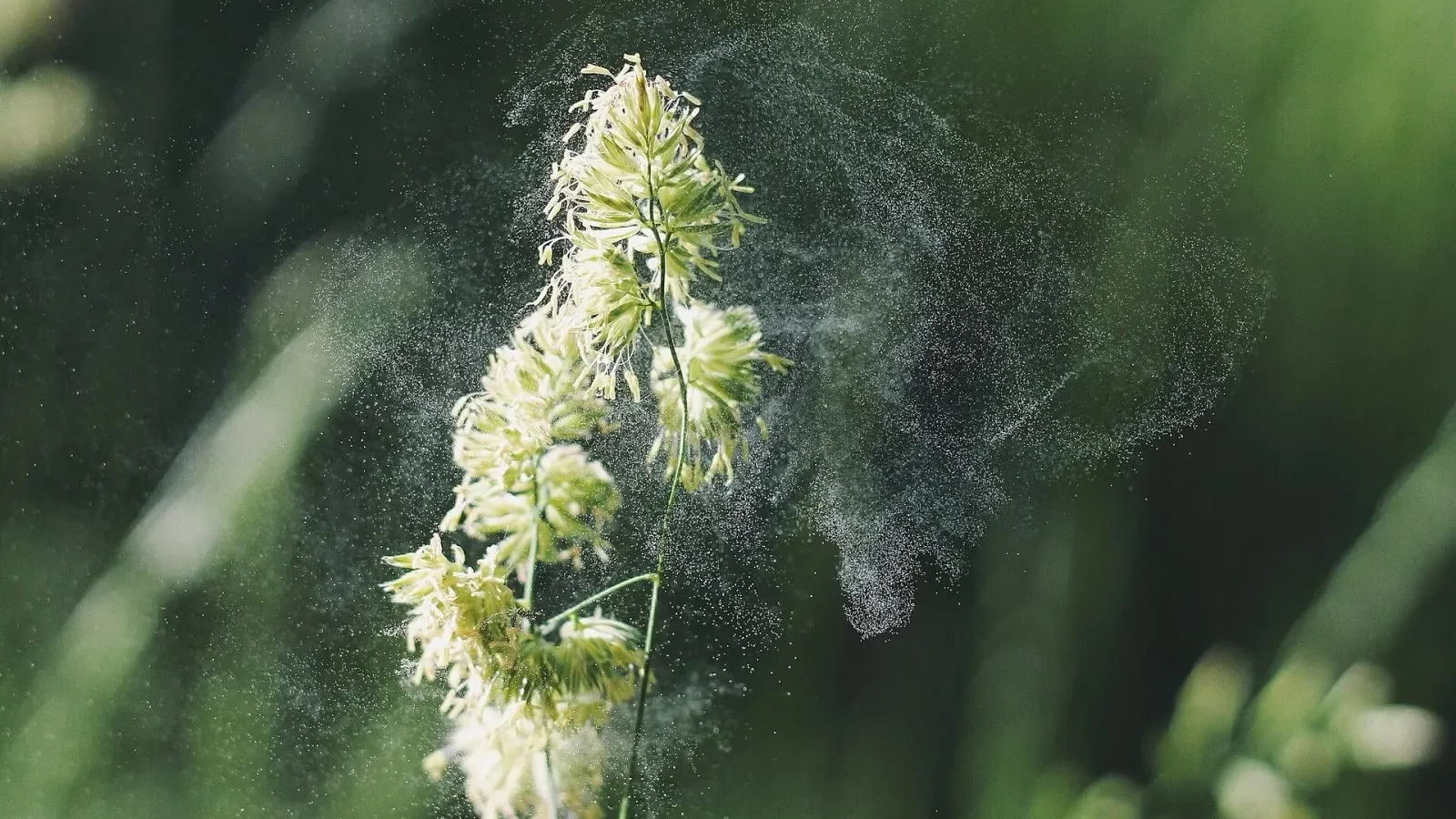
Hay fever occurs when the immune system overreacts to normally harmless substances such as pollen. Tree pollen usually rises in early spring, grass pollen in late spring and early summer, and weed pollen in late summer. Symptoms become noticeable during these periods.
Typical symptoms include repeated sneezing, a watery runny nose, nasal congestion, an itchy nose and palate, and watery, itchy eyes. Long-lasting congestion can disrupt sleep and cause tiredness during the day.
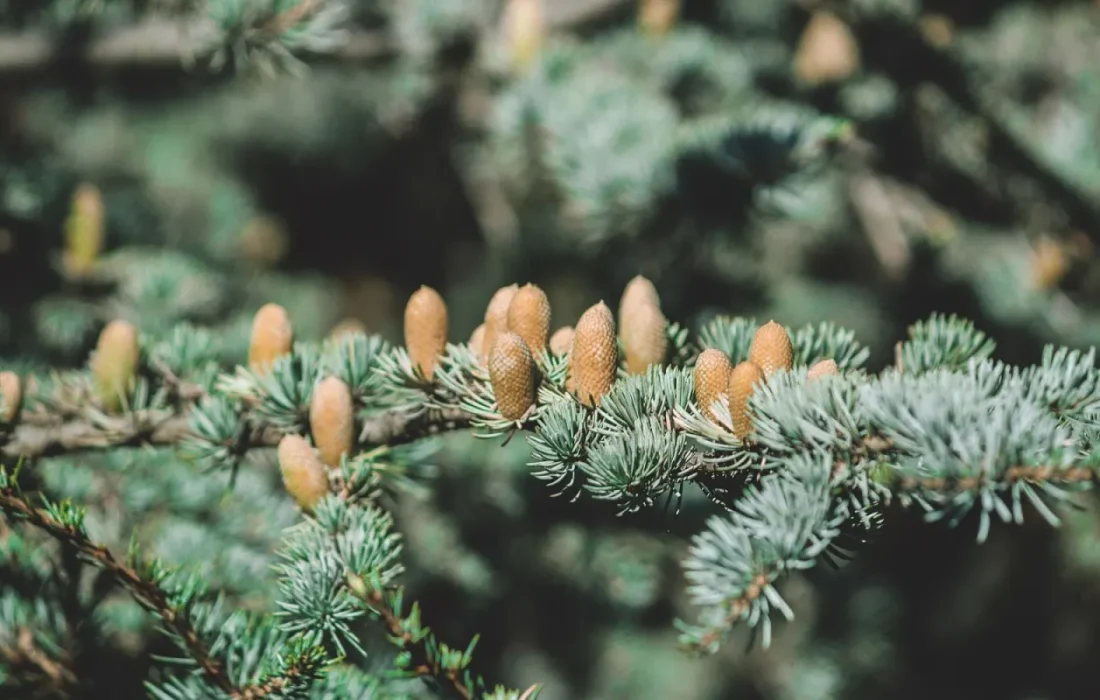
Knowing the pollen calendar is the first step to managing your symptoms.
Sarah Bennett
How it differs from a cold
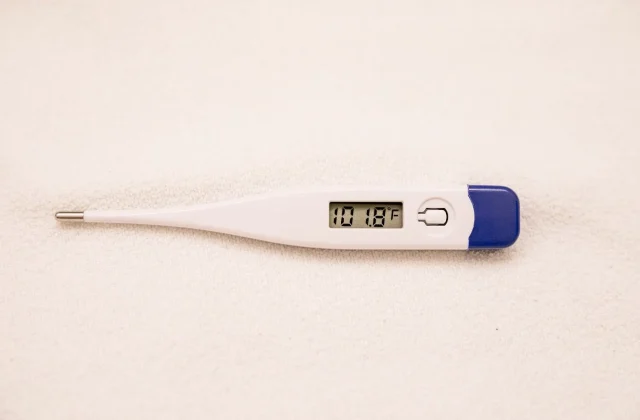
A cold usually clears up within seven to ten days and may come with a sore throat, fatigue and sometimes a mild fever. Hay fever, on the other hand, can last for weeks throughout the pollen season and usually does not cause a fever. Prominent eye itching also points toward an allergy.
Symptoms that return at the same time every year, and that get worse outdoors and ease indoors, are clues that point to hay fever. For a definitive assessment, an examination by an ENT specialist or allergist, and allergy testing if needed, can be arranged.
Everyday precautions and treatment
On high-pollen days, keeping windows closed (especially in the morning), washing your face and changing clothes when you come in, not drying laundry outside and using a pollen filter in your car are simple but effective precautions. Rinsing your nose with salt water may also bring relief for some people.
| Topic | Common Complaints |
|---|---|
| Highlights | allergies |
| Reading time | 5 minutes |
| Written by | Sarah Bennett |
Key takeaways
- Hay fever can last for weeks during pollen season and usually doesn't cause a fever.
- On high-pollen days, keeping windows closed and changing your clothes helps.
- Choose medications with your physician, and don't use decongestant sprays for long periods.
Treatment options include antihistamines and nasal sprays, but your physician should decide which medication is right for you. Using some decongestant sprays for a long time can actually make congestion worse. This content is for information only; please consult your physician for diagnosis and treatment.

2 Comments
Really useful piece, thank you for putting it together.
I had never thought about this side of it. Looking forward to a follow-up.