




























































What to look for when choosing a sunscreen
Sunscreen is an important part of protecting your skin, but it needs to be chosen and used correctly.
Table of contents
While sunlight is essential for vitamin D production, excessive and unprotected exposure poses a risk to skin health. Sunscreens are one of the key tools that help reduce this risk, yet there are many misconceptions about label claims, protection factors and how much to apply. In this article, prepared with input from our dermatologist Dr. Grace Allen, we sum up what to keep in mind when choosing and using sunscreen.
SPF and broad spectrum
SPF (sun protection factor) indicates how well a product protects mainly against UVB rays. SPF 30 or higher is generally recommended for daily use and outdoor activities. But SPF alone is not enough; it is also important that the product protects against UVA rays — in other words, that it is broad spectrum.
Your skin type also affects your choice. Light, non-comedogenic products suit oily and acne-prone skin, while fragrance-free products are a good choice for sensitive skin. Children should use formulas designed for children. Babies under six months old should be kept out of direct sunlight.

Sunscreen works best alongside shade and protective clothing.
Sarah Bennett
Using it correctly
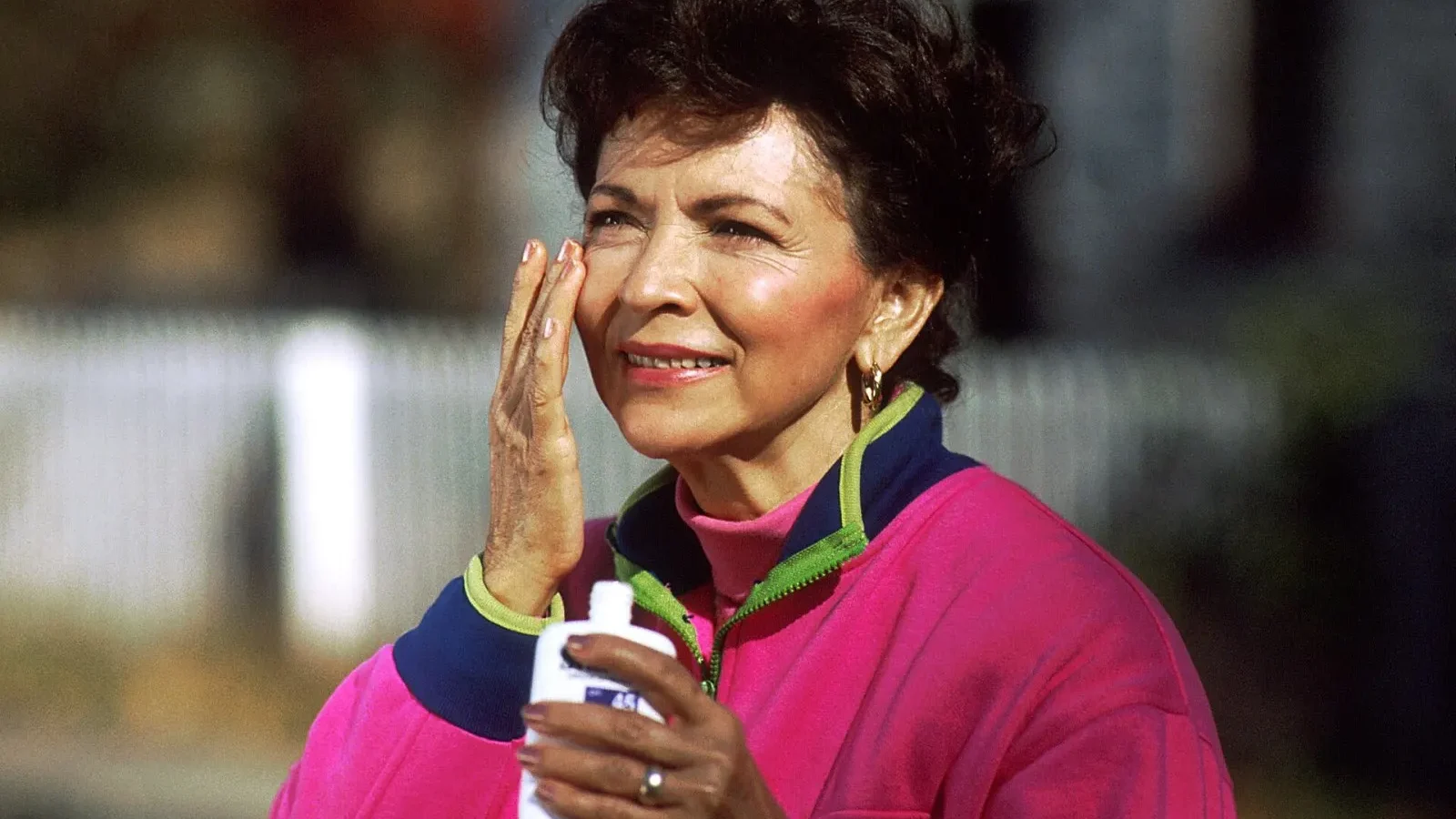
For sunscreen to work, you need to apply enough of it; most people use far less than the recommended amount. About one teaspoon is recommended for the face and neck. Apply it before going out in the sun, and don't forget areas such as the ears, neck and tops of the feet.
Reapply sunscreen after sweating, swimming or towel drying; if you are outdoors for a long time, reapply about every two hours. Water-resistant products are no exception to this rule. Expired products may lose their protective properties.
Other ways to protect yourself from the sun
Sunscreen alone is not enough. Staying in the shade around midday when the sun is strongest, and wearing a wide-brimmed hat, UV-protective sunglasses and light-colored, long-sleeved clothing are other important parts of sun protection. Remember that UV rays still reach the ground on cloudy days.
| Topic | Nutrition & Lifestyle |
|---|---|
| Highlights | sunscreen, skin health |
| Reading time | 5 minutes |
| Written by | Sarah Bennett |
Key takeaways
- Choose broad-spectrum products with SPF 30 or higher.
- Apply enough, and reapply every two hours.
- Shade, hats and clothing complement sunscreen.
If you notice moles that change in shape, color or size, or that bleed or itch, see a dermatologist. People with a family history of skin cancer and those with many moles should talk to their physician about regular checks. This content is for information only; please consult your physician for diagnosis and treatment.
2 Comments
Really useful piece, thank you for putting it together.
I had never thought about this side of it. Looking forward to a follow-up.