





















































Measuring blood pressure at home: the right technique and common mistakes
Done with the right technique, home blood pressure readings are a valuable source of information for your physician.
Table of contents
Because high blood pressure often causes no symptoms, regular measurement is essential. Alongside readings taken at the clinic, home measurements give your physician a picture of your blood pressure in everyday life. However, readings taken with the wrong technique can be misleading. Details such as the position of your arm, the cuff size, resting beforehand and the time of measurement all directly affect the result. In this article, we explain the right way to measure blood pressure at home and the most common mistakes.
Before you measure
Rest by sitting quietly for at least five minutes before measuring. Avoid smoking, coffee and exercise for half an hour beforehand. An empty bladder also improves accuracy. Make sure there is no thick clothing on your upper arm; the cuff should be placed on bare skin.
We recommend using a validated device that measures from the upper arm. The cuff size should match the circumference of your arm; a cuff that is too tight or too loose can give inaccurate results. Wrist devices are more prone to error because the arm must be held at heart level.
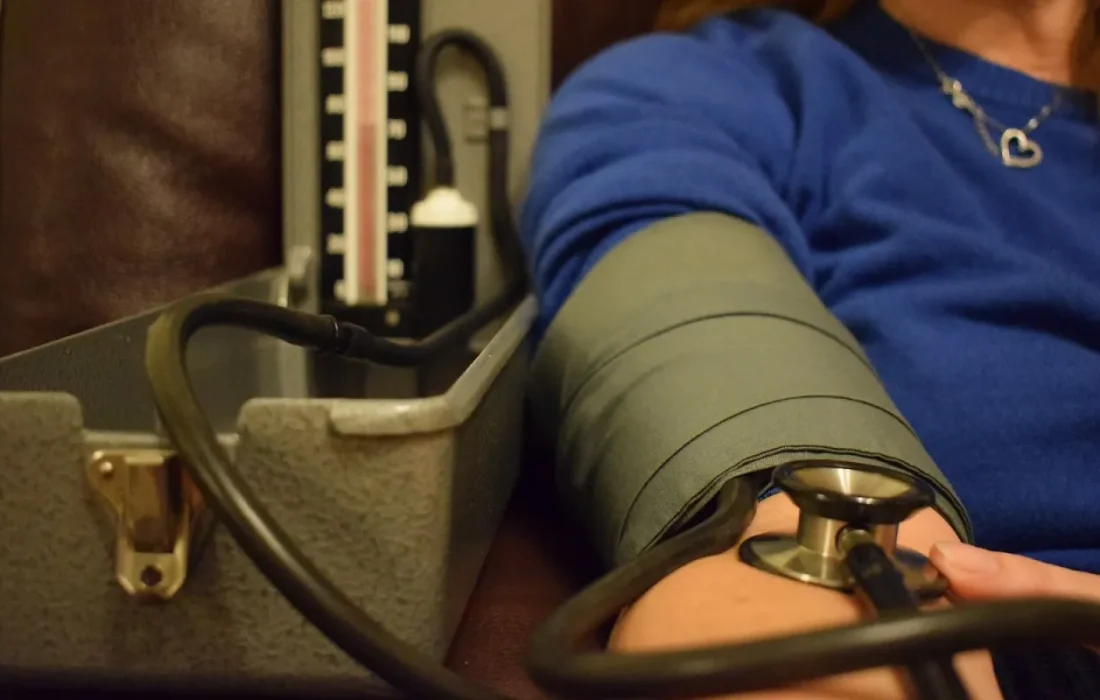
Accurate home readings give your physician a map of your blood pressure in everyday life.
Sarah Bennett
The right technique
Sit with your back supported and your feet flat on the floor, without crossing your legs. Rest your arm on a table with the cuff at heart level. Do not talk or move during the measurement. The lower edge of the cuff should sit about two finger-widths above the inside of your elbow.
Each time, take two readings one to two minutes apart and use the average. When you first start, measure on both arms to find which gives the higher reading, and use that arm from then on. Don't panic over a single high reading, but if your values stay high, see your physician.
Keeping a log and sharing it with your physician
Record your readings in a notebook or an app, noting the date, time and arm used. Your physician may ask you to take readings morning and evening for a set period. These records are an important source of information when assessing treatment decisions and medication doses.
| Topic | Preventive Health |
|---|---|
| Highlights | blood pressure, preventive health |
| Reading time | 5 minutes |
| Written by | Sarah Bennett |
Key takeaways
- Rest for five minutes before measuring, and avoid coffee and smoking.
- Rest your arm on a table, with the cuff at heart level on bare skin.
- Log your readings, and only change medications with your physician.
Never adjust your medications on your own based on your readings; plan every change with your physician. If you measure very high values along with a severe headache, chest pain, vision problems or difficulty speaking, call the emergency number (911). This content is for information only; please consult your physician for diagnosis and treatment.

2 Comments
Really useful piece, thank you for putting it together.
I had never thought about this side of it. Looking forward to a follow-up.