


























































Fever in children: when should you see a doctor?
Fever is one of the most common conditions in children, and one that worries parents most. Which signs should you look out for?
Noticing that your child's temperature is rising can be worrying, especially in the middle of the night. A fever is usually the body's natural response to infection and is not an illness in itself. Even so, in some cases a fever can be a sign of a serious problem and needs to be assessed without delay. In this article, we explain what a fever means in children, what you can do at home and when to see a doctor or go to the emergency department.
What is a fever?
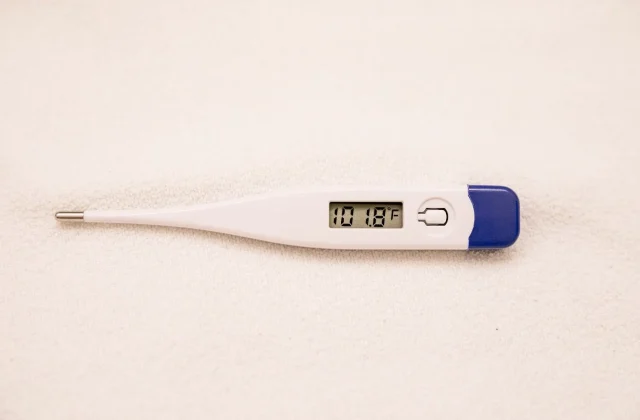
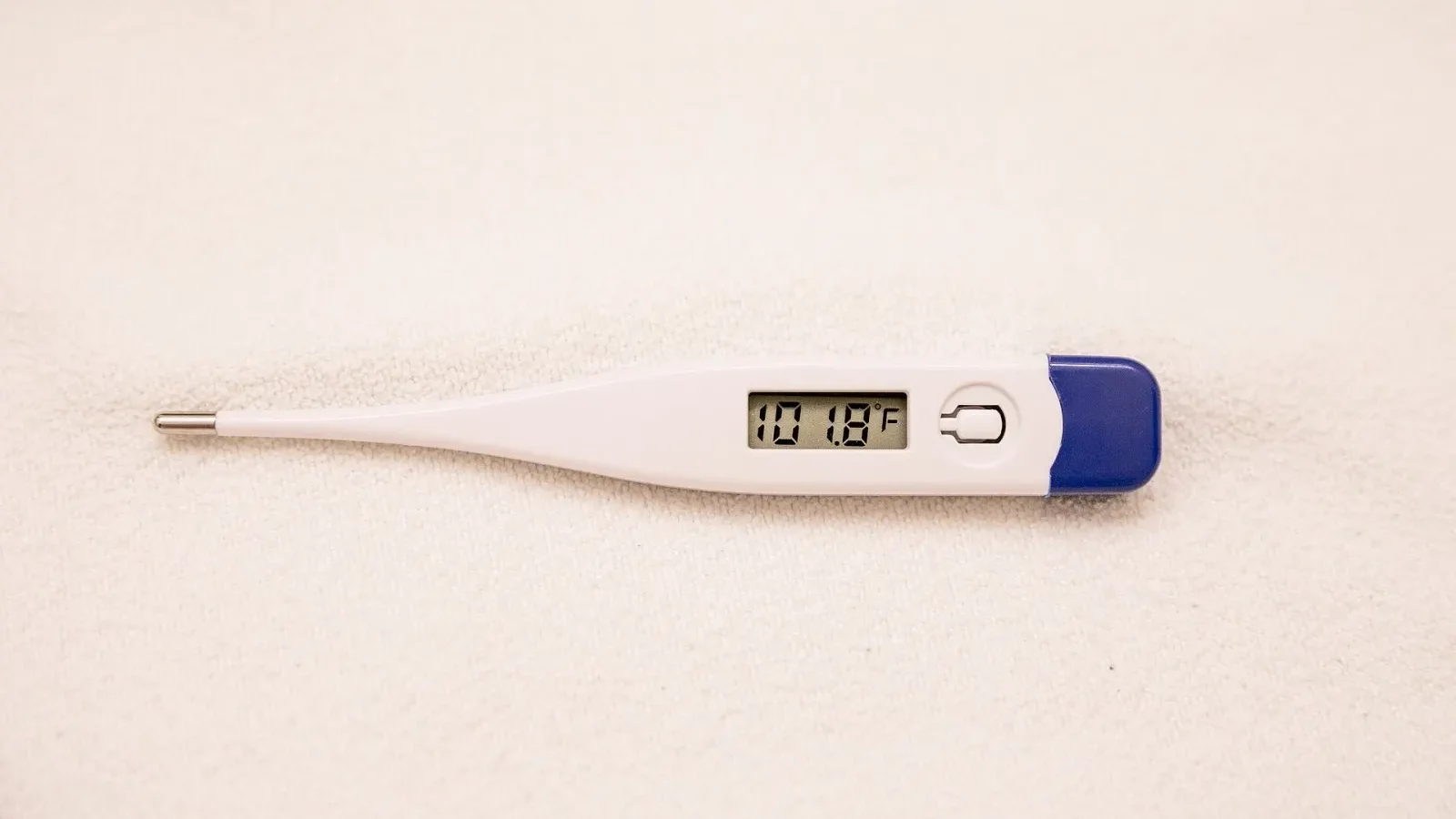
A fever is a rise in body temperature above normal and is usually the immune system's response to an infection. The measuring method affects the result; readings taken under the arm, in the ear or on the forehead can differ. Use an age-appropriate thermometer and make sure you use it correctly.
The temperature alone does not show how serious an illness is. Your child's overall condition — whether they are playing, drinking fluids and alert, and any accompanying symptoms — matters at least as much as the fever itself. A child who perks up and plays once the fever comes down is generally less of a concern.

Your child's overall condition matters as much as the number on the thermometer.
Ethan Brooks
What you can do at home
Dress your child in light clothing, don't overheat the room and offer fluids often. Fever reducers should be given at a dose suited to your child's weight and as advised by your physician. Alternating different fever reducers can lead to dosing errors and should not be done without a physician's advice.
Cold baths and rubbing with alcohol are not recommended; they can cause shivering and discomfort. A lukewarm shower is fine if it makes your child more comfortable. Noting how the fever progresses, along with the medications given and their times, gives your physician important information at the examination.
When to seek care
A fever in a baby under three months old should always be assessed without delay. In older children, see a doctor if the fever lasts more than three days, if your child remains weak and listless even after the fever comes down, cannot keep fluids down or is passing much less urine, or has symptoms such as a rash or ear pain.
| Topic | Children's Health |
|---|---|
| Highlights | children's health, fever |
| Reading time | 6 minutes |
| Written by | Ethan Brooks |
Key takeaways
- Your child's overall condition matters as much as the number on the thermometer.
- Fever reducers should be given at a weight-appropriate dose and on a physician's advice.
- A fever in a baby under three months old should always be assessed.
If your child has marked difficulty breathing, turns blue, has a seizure, becomes confused, has a stiff neck or a rash that does not fade when pressed, call the emergency number (911) without delay or go to the nearest emergency department. This content is for information only; please consult your physician for diagnosis and treatment.

2 Comments
Really useful piece, thank you for putting it together.
I had never thought about this side of it. Looking forward to a follow-up.