
































































Screen time and sleep in children: practical tips for parents
Screen use in the evening can affect children's sleep. We've put together some practical tips for families.
Table of contents
Tablets, phones and TV have become an integral part of children's daily lives. Alongside the opportunities screens offer for learning and communication, we know that using them, especially in the evening, can disrupt sleep. Too little or irregular sleep, in turn, can affect children's attention, behavior and learning. In this article, we share how screen use can affect sleep, age-based recommendations and practical tips to help families build a healthy routine at home.
How does screen use affect sleep?
Using screens in the hours before bed can delay falling asleep. The light from screens, and stimulating content in particular, can keep a child's mind alert and make it harder to wind down. Having a screen in the bedroom can also lead to waking during the night and less sleep overall.
In children, lack of sleep can show up as daytime restlessness, poor concentration and tantrums. These signs are sometimes put down to other causes, so it is important to look at your child's sleep routine and evening habits.
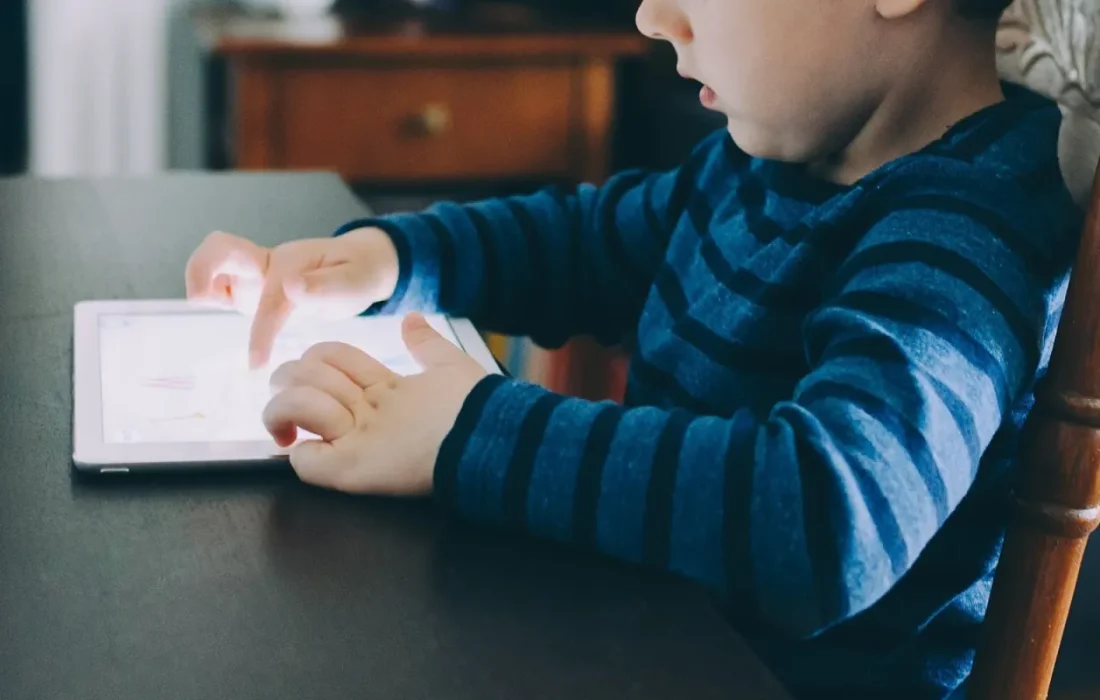
A good sleep routine doesn't start when the screens go off; it starts when the evening routine begins.
Ethan Brooks
Recommendations by age
For young children, screen use should be kept limited, with age-appropriate content and an adult present. In infancy, it is best to avoid screens altogether, apart from video calls with family. For school-age children, it is important to plan screen time so that it doesn't get in the way of sleep, physical activity, homework and family time.
Every child's needs are different, so rather than strict rules, consistent rules that suit the family's routine and are agreed on together are easier to stick to. You can talk about your child's sleep and screen habits with your physician at well-child checkups.
Building a healthy routine at home
Switching off screens at least an hour before bed, keeping the bedroom screen-free and going to bed and getting up at similar times every day all support a healthy sleep routine. Adding reading, a warm bath or quiet play to the evening routine can make it easier for your child to drift off.
| Topic | Children's Health |
|---|---|
| Highlights | screen time, sleep, children's health |
| Reading time | 5 minutes |
| Written by | Ethan Brooks |
Key takeaways
- Screen use before bed can delay falling asleep.
- Keep the bedroom screen-free and set regular sleep times.
- See a doctor for persistent sleep problems or snoring.
Parents' own screen habits also set an example for children. Keeping mealtimes screen-free strengthens communication within the family. If sleep problems persist, or if there are signs such as snoring or pauses in breathing, see a doctor. This content is for information only; please consult your physician for diagnosis and treatment.
Leave a comment