































































From the studio: the making of a trench coat
Our iconic trench coat is sewn in 160 steps by a single tailor. Watch the three days it spends in our studio, from cutting the fabric to the final press.
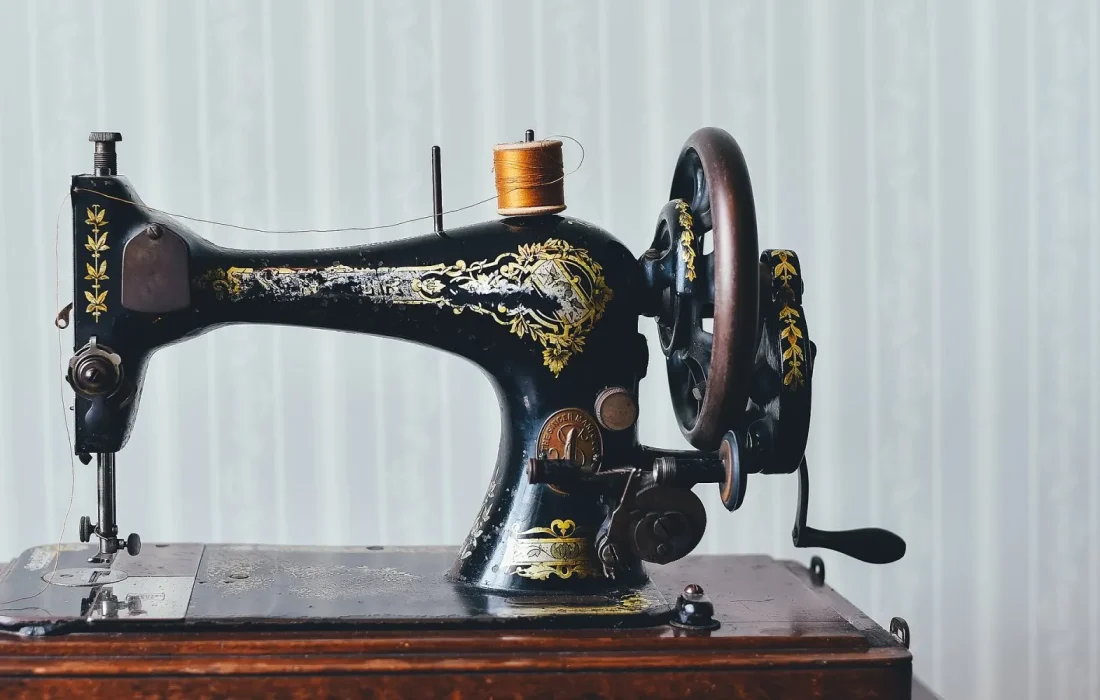
The Maison Lale Iconic Trench Coat has been part of our collection since our boutique's first year, and it's our most-loved piece. But how does a bolt of gabardine become that elegant coat on the hanger? We spent three days in the studio with our head tailor and filmed every stage, from cutting to the final press. In this article and video, we show whose hands shape the details that make a good trench coat great.
In this article
- Fabric and cutting
- Sewing: the most critical moments of 160 steps
- Final press and quality control
Fabric and cutting
Every trench coat begins with a bolt of cotton gabardine laid out on the cutting table. We let the fabric rest on the table for at least one night before cutting, because fabric that arrives on a roll is under tension and, if cut right away, the pieces may shrink slightly later. Then we place the pattern pieces on the fabric, paying close attention to the grain. A trench coat is made up of around thirty pieces: the front and back panels, collars, epaulettes, storm flap, belt, sleeve straps and pocket flaps are just a few of them. The position of each piece on the fabric is set one by one, taking into account the direction of the weave and the flow of the pattern.
We cut by hand with heavy tailor's shears. Machine cutting in bulk may be faster, but cutting each piece individually lets us spot small weaving flaws in the fabric and avoid using that area. We make small notches along the edges of the cut pieces to guide the sewing. The lining and interfacing pieces are prepared with the same care. Fusible interfacing is applied to areas that need to hold their shape for years, such as the collar and lapels, giving the fabric a strong framework. This preparation stage alone takes half a day and directly determines the quality of the finished coat.
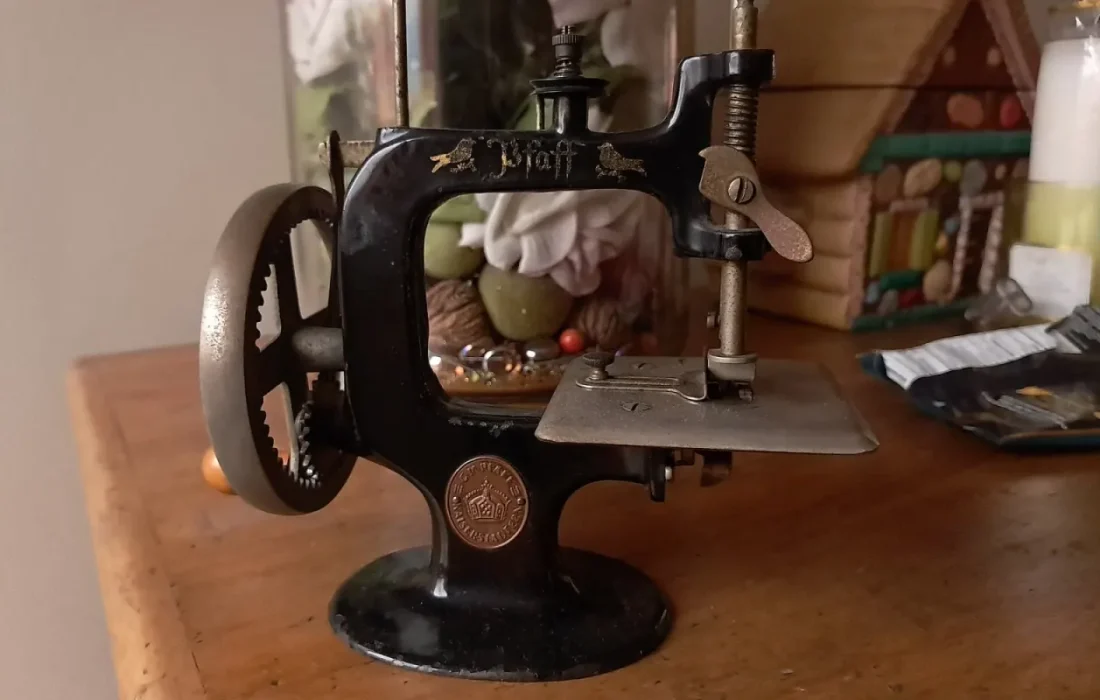
You can't judge a trench coat from the outside; its quality lies in the seams hidden under the lining.
Mark Ellison
Sewing: the most critical moments of 160 steps
Sewing a trench coat involves about 160 separate steps, and a tailor completes the work in three days. One of the most critical stages is setting the collar. For the collar to sit perfectly on the neck and stand up when turned up, the under collar and top collar are sewn at different tensions, a subtlety that only an experienced hand can feel. The shoulders and sleeves also demand great care. Each sleeve is set into the shoulder with a little ease, so the coat doesn't ride up when you raise your arm. This ease is almost invisible to the eye, but you feel it every time you move.
Details such as the epaulettes, storm flap and belt are sewn and bound separately, then attached to the body. The edges of each piece are finished with double topstitching, and the stitch spacing is checked to the millimeter. The inside seams are covered with tape in the same color as the fabric, so when you turn your trench coat inside out, you find a surface as clean as the outside. The buttons are sewn on by hand with a wrapped shank rather than by machine. This method lets each button sit neatly on the thick fabric and keeps it from coming loose for years. We also add a spare button to every trench coat, tucked into the inner pocket in a small fabric pouch.
Final press and quality control
Once the sewing is done, the trench coat moves to the final pressing table. Every seam is opened one by one with a steam iron, and the collar and lapels are pressed into shape. This stage can't be rushed; because the fabric sets its shape as it cools after heating, each area is left to rest for a few minutes after pressing. The trench coat is then put on a tailor's dummy to check the symmetry of the belt, epaulettes and storm flap. Even an asymmetry too small for the eye to notice is corrected. At this stage, our tailor walks around the coat again and again, carefully watching how the fabric falls from every angle, and unpicks and resews a seam if necessary.
| Topic | Studio |
|---|---|
| Highlights | trench coat, studio, sustainable fashion |
| Reading time | 7 minutes |
| Written by | Mark Ellison |
Key takeaways
- The fabric rests overnight before cutting, and the pieces are cut by hand.
- A trench coat is made of around thirty pieces and 160 sewing steps.
- Buttons are hand-sewn with a wrapped shank; inside seams are taped.
In quality control, every measurement of the trench coat is compared with the size chart, the buttons are pulled to test their strength, and the inside seams are inspected one by one. To test the water-repellent finish, water is dripped onto a fabric sample from every batch. A trench coat that passes these checks is wrapped in paper along with a card signed by its tailor. You can watch this three-day journey from start to finish in our video. We believe that once you see how much work goes into a trench coat, you'll value it a little more every day you wear it. In the video, you can also hear from our tailor, in his own words, why setting the collar is his favorite stage.

2 Comments
Really useful piece, thank you for putting it together.
I had never thought about this side of it. Looking forward to a follow-up.