






























A size and fit guide: buying the right size online
Relaxed, oversized, fitted... What do the fit descriptions on product pages actually mean? A guide to choosing the right size, from taking measurements to fabric stretch.
When buying clothes online, the question on our minds is always the same: which size should I choose? Size charts that vary from brand to brand, fabric stretch and the character of the fit make it complicated. In this guide, we've gathered what we learned while fitting every pattern on real bodies across different sizes in our studio. Taking a few minutes to measure yourself will spare you most of the hassle of returns and exchanges.
In this article
- Taking accurate measurements at home
- Reading fit descriptions
- Fabric, stretch and being between sizes
Taking accurate measurements at home
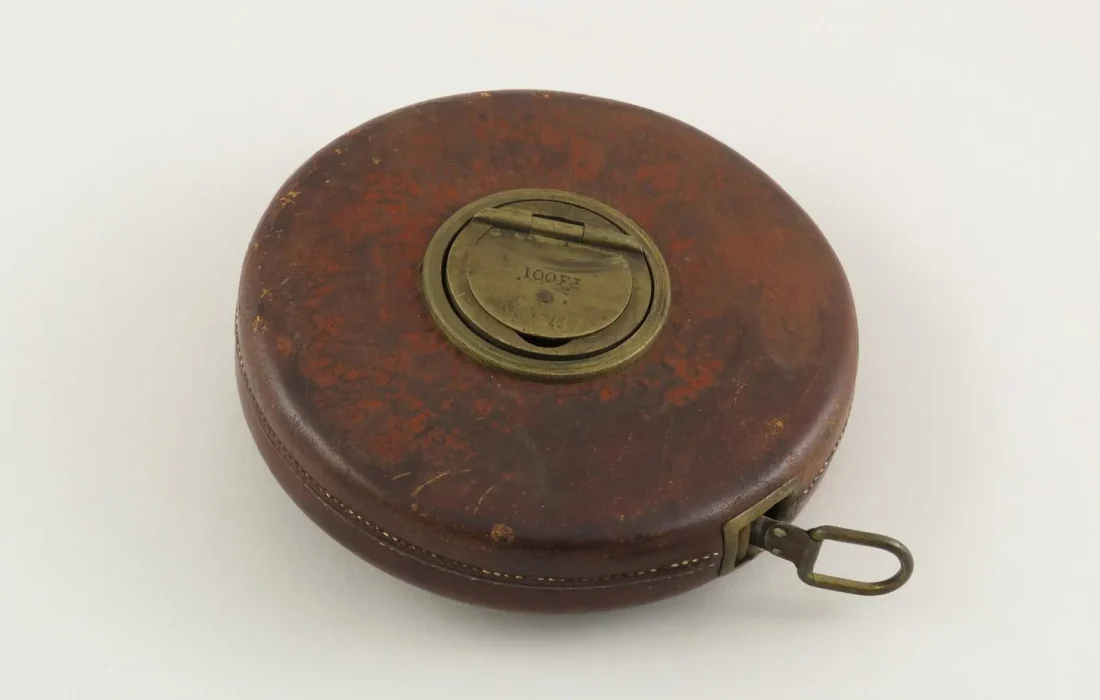
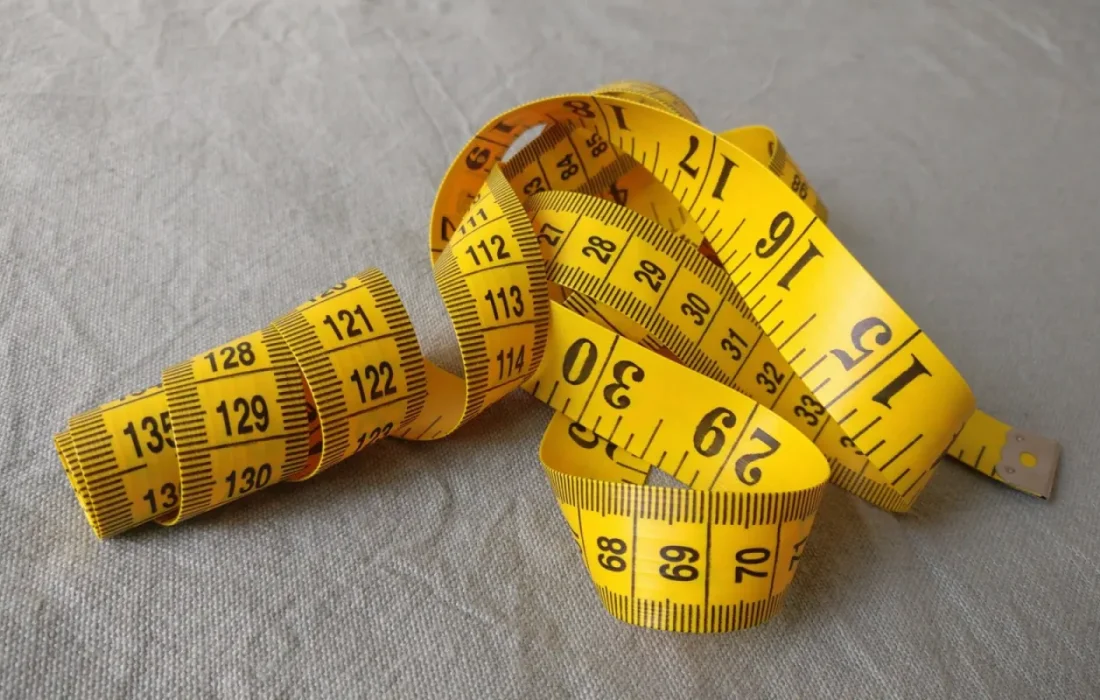
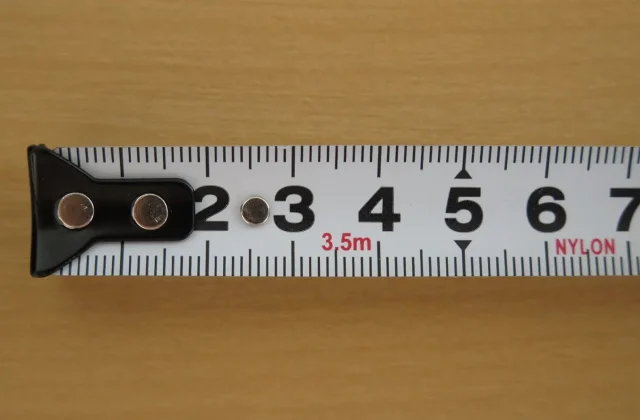
The first step to finding the right size is knowing your own measurements. All you need is a flexible tape measure and a mirror. Measure your bust at its fullest point, keeping the tape parallel to the floor. Measure your waist at its narrowest point, usually a few centimeters above the navel. For your hips, find the widest point. Don't hold your breath or pull the tape tight while measuring; the tape should touch the skin without pressing in. These three measurements form the basis of almost every size chart. If possible, measure yourself in thin underwear and in the morning; body measurements can vary slightly over the course of the day.
For trousers and skirts, the inseam also matters. The easiest way to measure it is to lay a pair of trousers that fit you well on a flat surface and measure from the crotch seam to the hem. For shirts and jackets, sleeve length is key: measure from the tip of your shoulder to your wrist with your arm slightly bent. Save these measurements on your phone and compare them with the size chart on the product page every time you shop. Measurements taken once will guide your shopping for several months. Remember to update them after weight changes or between seasons.
The right size isn't the letter on the label; it's the one your body can move freely in.
Mark Ellison
Reading fit descriptions
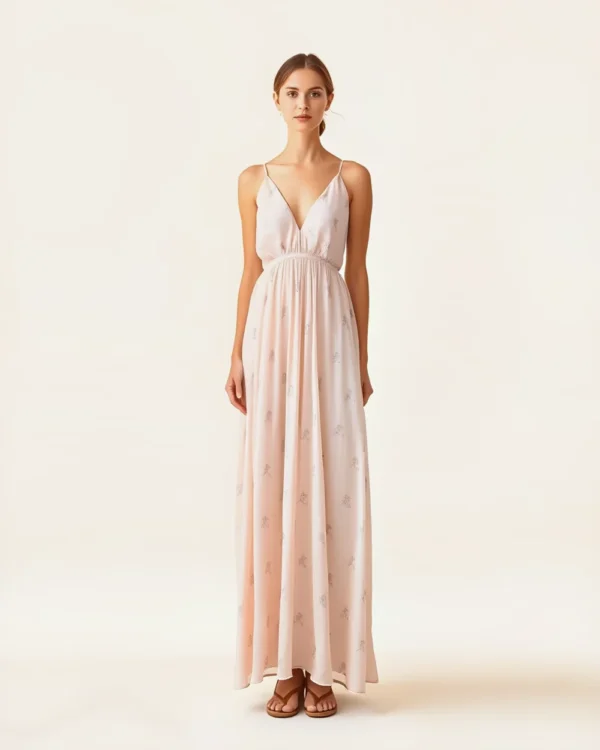
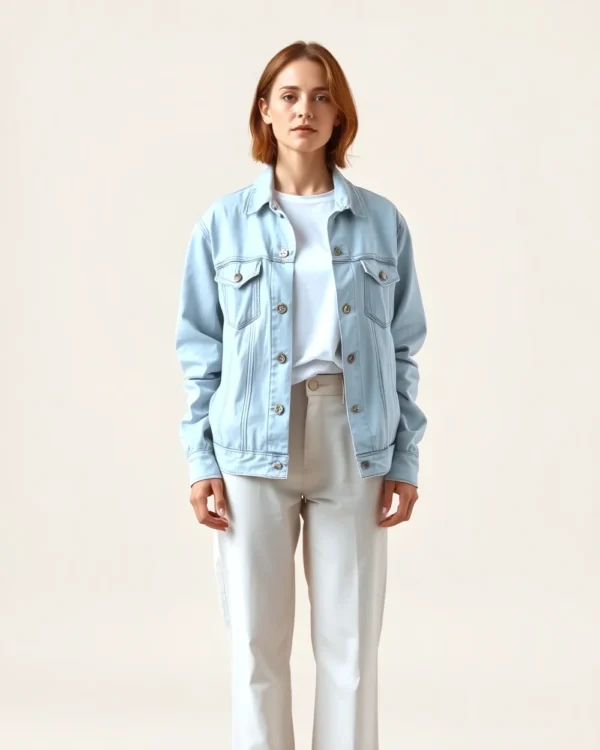
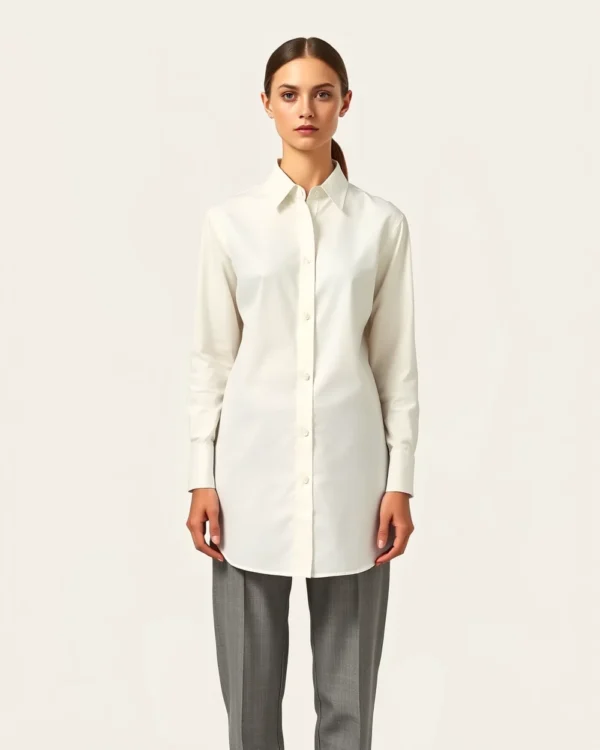
The fit descriptions on product pages tell you how a piece will sit on your body. A fitted cut leaves very little ease over your measurements and follows your lines; our silk satin dress is one example. A straight or regular fit is a classic silhouette with enough ease to move freely. A relaxed cut offers a looser shape, while oversized is deliberately designed several sizes larger. With an oversized blazer, you should choose your usual size, because the extra room is already built into the pattern. Sizing down disrupts the intended relaxed drape of an oversized cut and changes the piece's shoulder line.
Model information is another valuable clue. Every product page lists the model's height and the size they're wearing. By comparing your height with theirs, you can estimate where a dress or pair of trousers will fall on you. For example, a midi dress that ends below the knee on our 1.76 m (5'9") model will reach mid-calf on someone who is 1.62 m (5'4"). Pay attention to the position of the shoulder seam too: on a dropped-shoulder cut, the seam sits slightly below your shoulder, and that's not a sizing mistake but part of the design. Knowing these details prevents unnecessary returns and exchanges.
Fabric, stretch and being between sizes
Fabric stretch has a direct effect on sizing. Fabrics containing elastane adapt to the body and let you choose the smaller size if you're between two. With non-stretch fabrics, such as rigid denim, linen or wool crepe, it's the opposite: if your measurements fall between two sizes, choosing the larger one is safer. Pieces made from rigid denim, like our Straight Fit Jean, may feel a little snug at first but take on the shape of your body over time. During this process, the waist and hip area of the jeans can loosen by about half a size, which is why a slightly snug fit on the first try is normal.
| Topic | Style Guide |
|---|---|
| Highlights | size guide, studio, capsule wardrobe |
| Reading time | 7 minutes |
| Written by | Mark Ellison |
Key takeaways
- Measure your bust, waist and hips without pulling the tape tight.
- With oversized cuts, choose your usual size; the extra room is built into the pattern.
- With non-stretch fabrics, choose the larger size if you're between two.
When you're between sizes, ask yourself: how do I want to wear this piece? A shirt you'll wear under a sweater sits better in the smaller size, but if you'll wear a coat over a chunky sweater, the larger size will be more comfortable. With trousers, prioritize the waist measurement; the hem and length are easy for a tailor to adjust, but the waist isn't always so simple. Our studio hems trousers and shortens belts free of charge, so if you're unsure, don't hesitate to write to our customer team.
2 Comments
Really useful piece, thank you for putting it together.
I had never thought about this side of it. Looking forward to a follow-up.