






























































A linen care guide: the finer points of washing, drying and ironing
With the right care, linen is one of the rare fabrics that grows more beautiful over the years. Everything you need to know, from washing temperature and ironing heat to storage and stain removal.
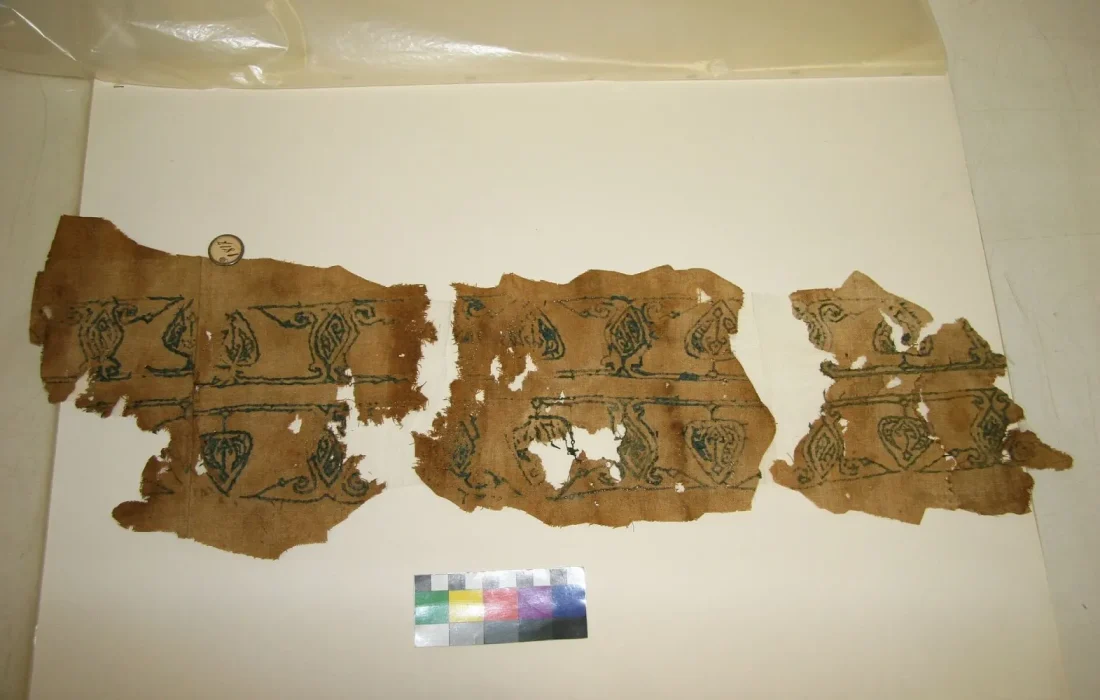
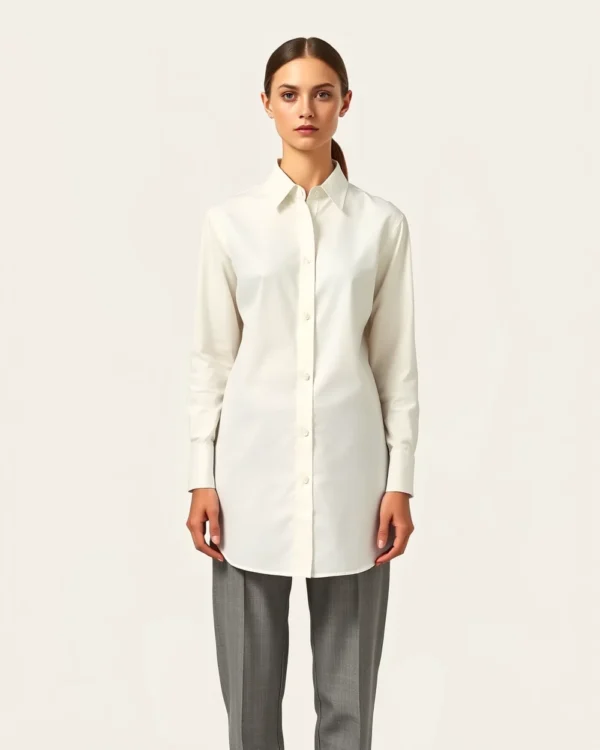
Linen is one of the oldest fibers humans have woven for thousands of years, and it's still the coolest fabric for summer. Yet many people are put off by how easily it creases or how stiff it can feel after the first wash. In fact, with the right care, linen softens a little more with every wash and holds its shape for years. As the fabric specialists behind our Morning Tide collection, we've gathered the key tips for keeping your linen pieces as good as new.
In this article
- Getting to know linen: why it creases, why it softens
- Washing and drying
- Ironing, storage and stain removal
Getting to know linen: why it creases, why it softens
Linen is a long, strong fiber taken from the stem of the flax plant. Because it is far less elastic than cotton, it leaves a mark where it folds; that's where linen's famous creasing comes from. The same fibers absorb and release moisture quickly, so linen keeps the skin cool and doesn't cling even in hot weather. Freshly woven linen is usually stiff. With every wash, the surface of the fibers opens up a little more and the fabric gradually softens, which is why a good linen piece develops an even lovelier texture over the years than it had on day one.
The linens in our Morning Tide collection are enzyme- or stone-washed before sewing. This removes the fabric's initial stiffness and uses up its shrinkage in advance, so your piece won't shrink when you wash it at home. Even pre-washed, however, linen is a natural fiber and sensitive to high heat and harsh chemicals. The right washing temperature, a suitable detergent and careful drying are the keys to keeping the color and shape of your linen pieces for years. Follow the steps below and you'll find your linen gets softer and more beautiful every season.
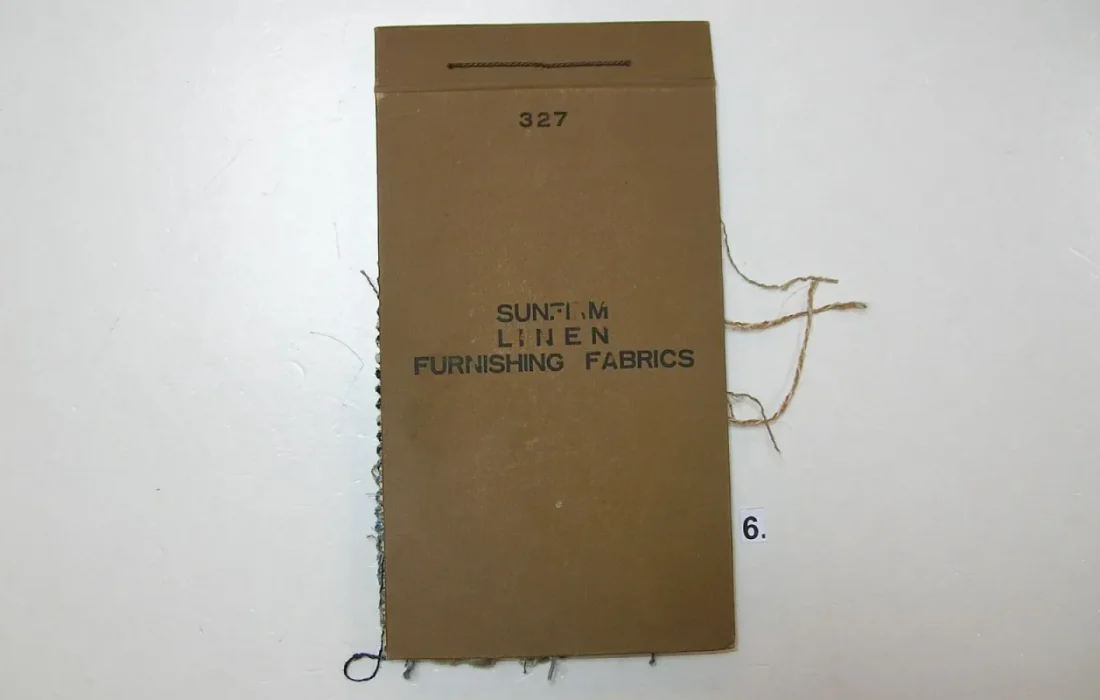
Linen's creases aren't a flaw; they're the signature of wearing a natural fiber.
Sarah Bennett
Washing and drying
We recommend washing linen at 30 to 40 degrees on a delicate or linen cycle. For colored linen, 30 degrees prevents fading. Avoid detergents with bleach; they weaken the fibers and can cause yellowing in white linen. Choose a liquid detergent and don't overload the machine, because linen creases less when it can move freely in the water. Keeping the spin speed low also reduces creasing; 600 to 800 rpm is ideal for most linen pieces. Turning linen inside out before washing further helps protect the color and surface texture.
The tumble dryer is one of linen's worst enemies. High heat makes the fibers brittle and leads to shrinkage and permanent creases. Instead, shake your piece out as soon as it comes out of the machine, smooth the seams by hand and hang it to dry. Direct sunlight can fade colored linen, so drying in the shade is best. Taking it off the hanger while still slightly damp makes ironing much easier, because linen smooths out far more easily when damp. Drying time depends on the thickness of the fabric; a light linen shirt is ready to wear within a few hours on a warm day.
Ironing, storage and stain removal
The easiest way to iron linen is on high heat while the fabric is slightly damp. If it has dried completely, dampen it with a spray bottle. Iron dark linen inside out to prevent shine. Then again, if you love linen's creases, there's no need to iron at all; line-dried linen has a relaxed, natural look. For storage, hang linen pieces without crowding them in a closet that can breathe; plastic covers trap moisture and can cause mildew spots. If you're folding pieces you won't wear for a while, change the fold lines from time to time so the fibers don't develop permanent marks. A cotton bag protects linen from dust while letting it breathe.
| Topic | Care & Fabrics |
|---|---|
| Highlights | linen, Morning Tide, sustainable fashion |
| Reading time | 6 minutes |
| Written by | Sarah Bennett |
Key takeaways
- Wash linen at 30–40 °C with a low spin speed.
- Don't use a tumble dryer; hang to dry in the shade.
- Iron on high heat while slightly damp, dark colors inside out.
The most important rule with stains is to act quickly. If you spill coffee or wine, don't rub; blot the stain with a clean cloth, then rinse it from the back with cold water. For greasy stains, gently working in a little dish soap is usually enough. For sweat and deodorant marks, mix a spoonful of baking soda with water, apply it to the stain, wait half an hour and then wash as usual. If you're unsure with a precious piece, taking it to a dry cleaner is always the safest option. Be sure to tell the dry cleaner that the piece is linen and what caused the stain.

2 Comments
Really useful piece, thank you for putting it together.
I had never thought about this side of it. Looking forward to a follow-up.