















































Smart backup tips for family cloud storage
Sponsored contentThis content was produced as an advertisement / partnership.
Choosing the right cloud plan is key to never losing thousands of family photos and important documents. We rounded up ways to make the most of shared storage.
A lost or broken phone can mean years of family photos vanishing in an instant. Cloud storage services largely remove that risk, but when they're not set up properly, they can bring both unnecessary costs and privacy problems. In this guide, we take a detailed look at the benefits of family plans, automatic backup settings and what to watch out for in shared folders. We've also put together a short checklist to make it easier to compare pricing and capacity across services.
In this article
- Are family plans really worth it?
- Setting up automatic backup the right way
- Privacy in shared folders
Are family plans really worth it?
The basic promise of family plans is that several people can share storage for a single payment. Plans shared by up to six people can be significantly cheaper than buying storage individually. But whether the advantage is real depends on what the family actually needs. If not everyone needs a terabyte, half the shared space goes to waste.
Before deciding, check how much space everyone in the family is using on their phones. Photos and videos usually make up most of the total. Some services invite new members for free, while others set per-member limits. Remember that the plan's organizer controls payment and membership, and that a member who leaves doesn't automatically keep their data in their own account.

A photo without a backup is simply a photo that hasn't been lost yet.
Ethan Brooks
Setting up automatic backup the right way
Setting up automatic backup correctly is the most effective way to prevent loss. Turn on backup on your phone and set it to run only on Wi-Fi while charging. That way, it won't eat into your mobile data or cause battery problems. Choose the folders to back up one by one; leaving out screenshots and temporary files keeps you from filling space for nothing.
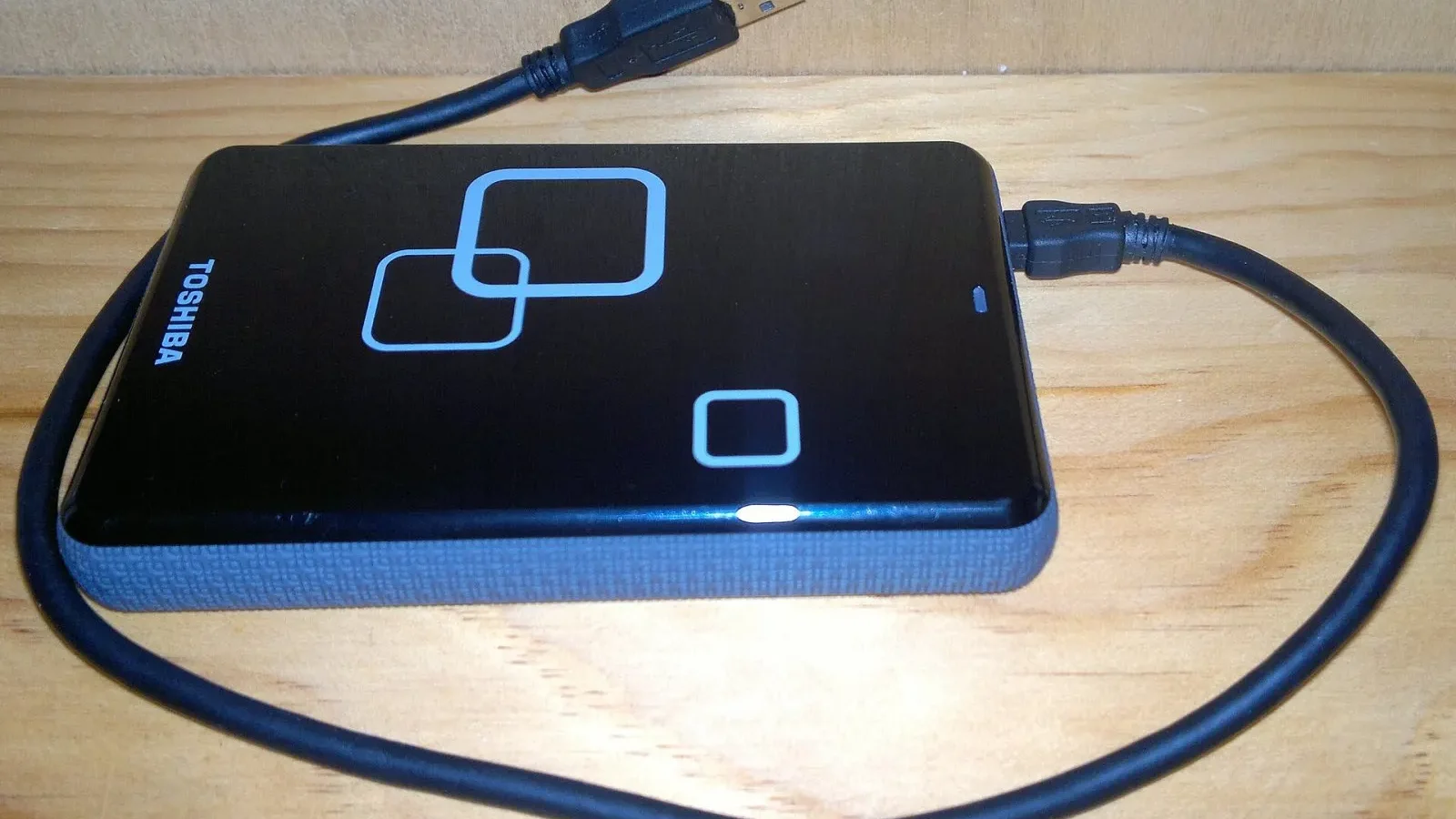
Let's also mention the “3-2-1” rule: keep three copies of your important files, on two different types of media, with one stored outside the home. In other words, the cloud, an external drive and your phone can work together. Test your backup by actually restoring it once a year. Thinking you have a backup and then being unable to reach the file when you need it is one of the most common and most expensive surprises.
Privacy in shared folders
Shared folders call for care when it comes to privacy. Everyone can see a photo you add to the family album, and personal documents shouldn't be uploaded to the shared space. Creating a separate folder for each family member and sharing only the common album strikes a healthy balance. If you share via link, limit how long it stays active and turn it off when you're done.
| Topic | Apps |
|---|---|
| Highlights | cloud, subscription, privacy |
| Reading time | 7 minutes |
| Written by | Ethan Brooks |
Key takeaways
- A family plan delivers real savings if storage needs are genuinely shared.
- Set backup to run only on Wi-Fi and while charging.
- Keep personal documents separate in shared folders and time-limit link sharing.
For children's accounts, parental controls and content filters are a good idea. Turning on two-factor authentication and using a strong password are the basic ways to protect a cloud account. Having at least two people in the family who know where important documents are stored is also a practical precaution. This short checklist will guide you as you compare services.
What do you think about this post?


Leave a comment