




































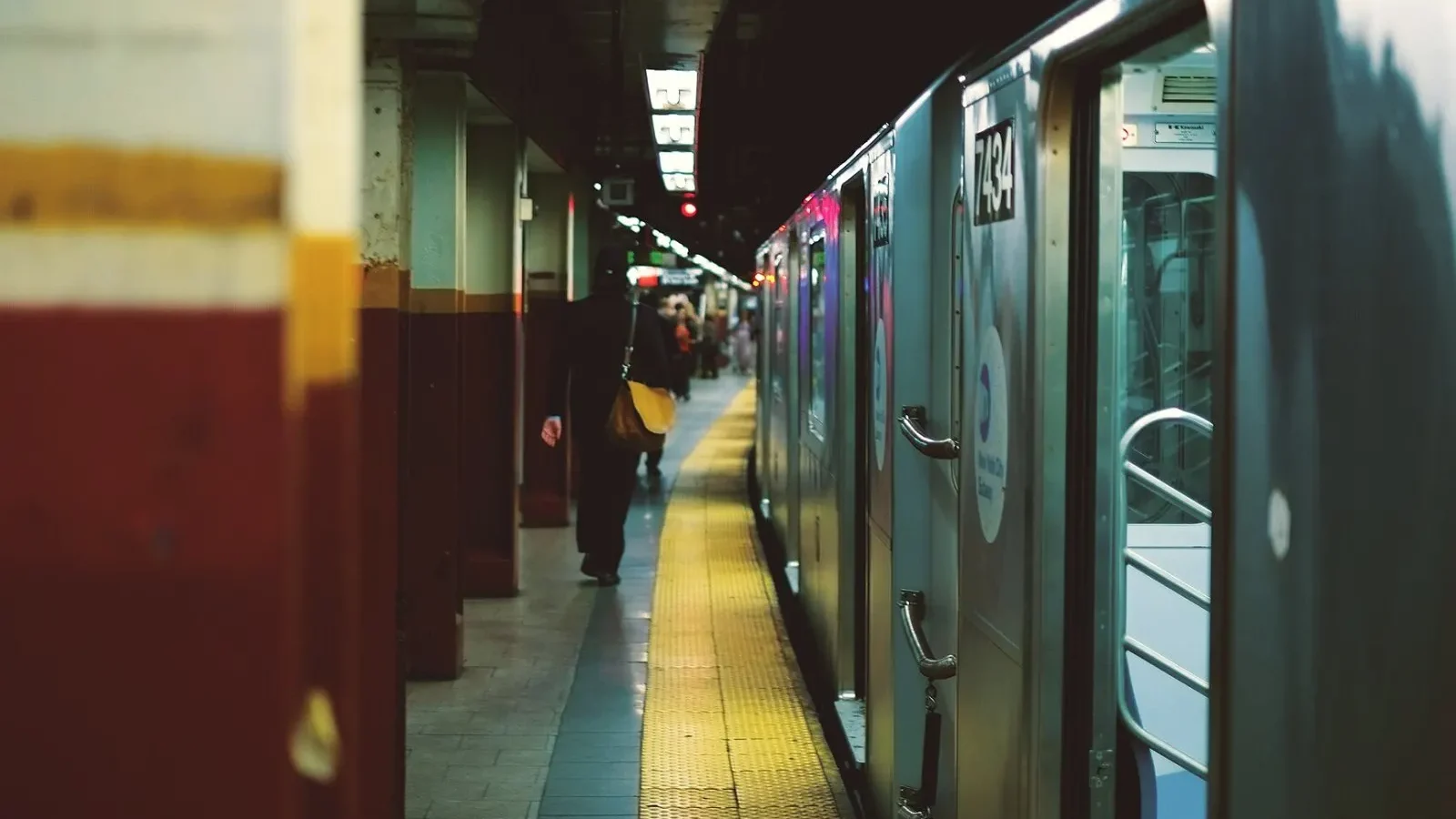
How transit apps are changing the daily commute in Riverton
With live departure times, card top-ups and transfer suggestions, transit apps have become essential to city life. We rounded up tips to shorten your journey.
Checking on your phone how many minutes until the bus arrives, instead of waiting at the stop, is now an everyday habit for many Riverton commuters. Transit apps don't just show timetables; with card top-ups, transfer planning and crowding forecasts, they are redesigning the daily commute from scratch. We tried several apps for a week on subway, express bus and ferry lines. In this article, you'll find which features really save time and which still need work.
In this article
- How reliable is live departure tracking?
- From card top-ups to transfer planning
- Smart route suggestions for rush hour
How reliable is live departure tracking?
To measure the accuracy of live departure tracking, we waited at stops on three busy lines for a week. At bus stops, the gap between the time the app predicted and the actual arrival was usually one or two minutes. At times when traffic suddenly jammed, the gap grew to as much as five minutes. On subway and ferry lines, the predictions were far more consistent.
Another strength of these apps is that they send cancellation and delay alerts instantly. Apps that automatically suggest an alternative route on days when a line is closed are especially handy. But in tunnels and underground stations with weak signal, information can lag. So if you have an important appointment, it's wise to add a bit of buffer time to the estimate.
In the city, time is the most valuable thing, and that's exactly what transit apps are selling.
Ethan Brooks
From card top-ups to transfer planning
Card top-ups and balance checks are among the most used features. A rider can top up from their phone without queuing at the station and use the card at the very next turnstile. Apps that let you add your card to your phone even let you travel if you've forgotten the physical card. The feature saves time and cuts down on card-related hassles.
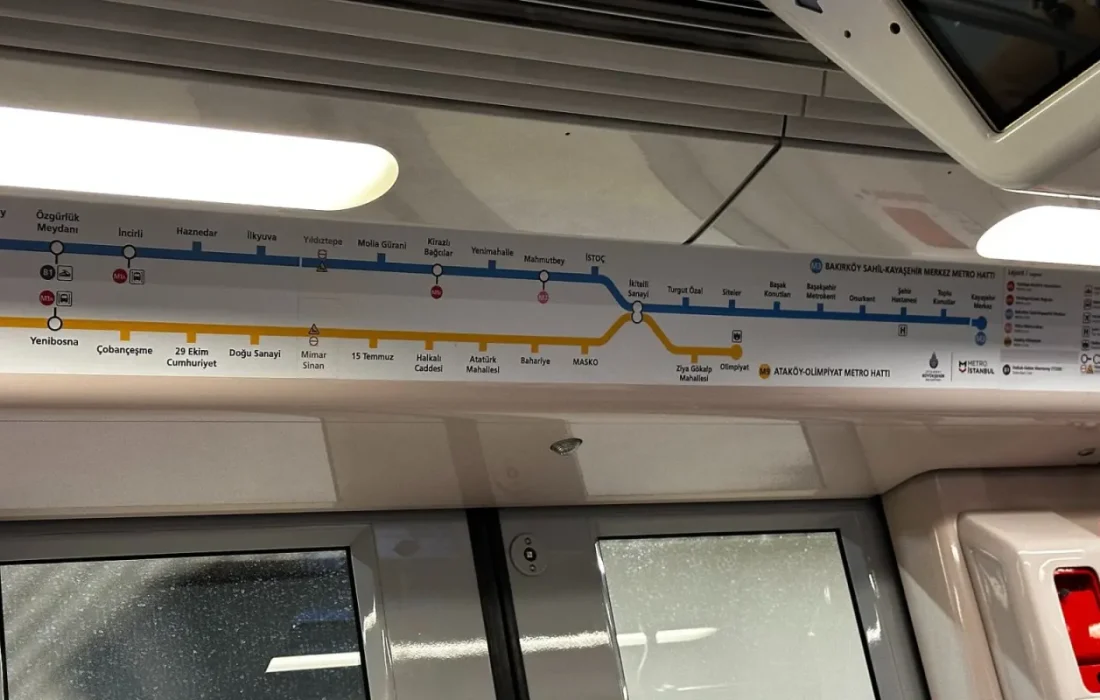
The transfer planner stands out on routes that combine different modes of transit. You can see the total time and walking distance of a journey from subway to ferry to bus at a glance. In our trials, following the app's suggested route saved us up to fifteen minutes on some trips. Still, the apps don't always know about temporary roadworks on walking routes.
Smart route suggestions for rush hour
Apps that offer crowding forecasts and smart route suggestions at rush hour make the journey more comfortable. The feature uses anonymous location data to estimate how full each service is. Skipping a packed train around eight in the morning for a quieter one five minutes later noticeably reduces daily fatigue over time.
| Topic | Apps |
|---|---|
| Highlights | app, smartphone, digital payments |
| Reading time | 6 minutes |
| Written by | Ethan Brooks |
Key takeaways
- Subway and ferry predictions proved more consistent than bus predictions.
- Phone top-ups and transfer planning noticeably shorten the daily commute.
- Crowding forecasts and limited location permissions boost both comfort and privacy.
With all these conveniences, it's important to mind the privacy settings too. Granting location access only while the app is in use, trimming notifications to what you need and removing apps you don't use are good habits. If you want to free up space on your phone, one or two reliable apps for getting around the city are all you need.
What do you think about this post?


Leave a comment