










Why are local series producers looking for new stories on streaming?
Short seasons, bold scripts and young actors: We went behind the scenes of local series made for streaming platforms.
Unlike weekly TV series with episodes running past two hours, shows made for streaming platforms stand out for shorter seasons and tighter stories. The format gives producers the chance to explore genres and subjects that would be hard to try on television. We spent a day on the set of a new thriller now shooting in the capital and talked to producer Owen Elliott about the shift. According to Elliott, the real change is that viewers now decide not in the first episode but in the first ten minutes.
In this article
- A storytelling language different from TV
- A day on set
- A gateway to international audiences
A storytelling language different from TV
A TV series has to fit a weekly broadcast schedule. That means long episodes, stories stretched across the season and a set rhythm in every episode. On streaming platforms, all episodes can drop at once and viewers move at their own pace. Producers say this freedom has fundamentally changed how scripts are written.
Owen Elliott explains that streaming series work with eight- or ten-episode seasons, every episode serves the story and there's no room left for filler scenes. Character development can be bolder too, because there's no need to hook viewers for the following week; the story moves at its own natural pace. That lets writers craft a tighter plot.
On streaming, if you don't win viewers over in the first ten minutes, you'll never see them again.
Emily Carter
A day on set
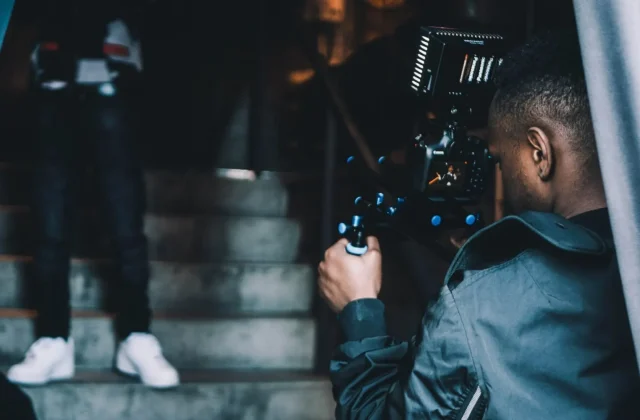
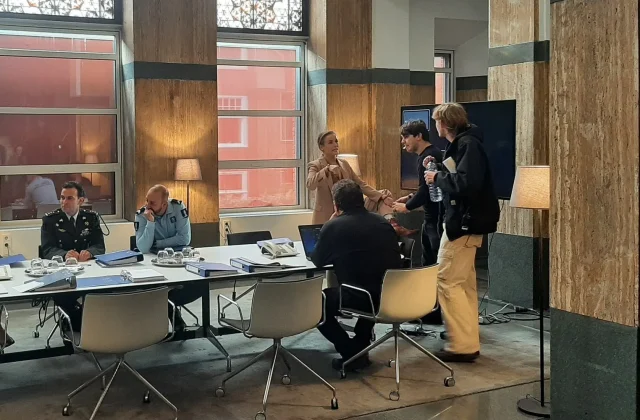
On the day we visited the set, there was a night shoot in an old industrial district of the capital. The crew of more than a hundred people shot a single sequence from different angles until morning. The director said every scene was repeated several times, giving the actors room to discover small details. The lighting and camera teams worked with the kind of precision you'd find on a film set.
Another thing that caught our eye on set was how at ease the young actors were. Most started their careers with short films and online videos. A veteran actor noted that his younger colleagues learn fast and are natural in front of the camera. Conversations about the script, camera lenses and music choices over the meal break reflected the set's culture of making things together.
A gateway to international audiences
Reaching international audiences is perhaps the most important promise of streaming series. A show released in hundreds of countries on the same day, with subtitles and dubbing, can speak to a far wider audience than any single TV channel could reach. Elliott says viewers abroad are interested in local details; even everyday life and the food become subjects of curiosity.
| Topic | Streaming |
|---|---|
| Highlights | tv series, content creator, subscription |
| Reading time | 9 minutes |
| Written by | Emily Carter |
Key takeaways
- With short seasons, streaming series cut filler scenes and tighten the story.
- Film-set precision and a young, camera-savvy generation of actors stand out on set.
- Deepening local detail is the strongest way to reach international audiences.
At the same time, international expectations can create pressure to make the story universal. According to Elliott, the right approach is not to simplify the local but to deepen it. The more original a story is, the more easily it travels. That's why he plans to deliberately put regional dialects, neighborhood culture and local music front and center in his new projects. He adds that early viewer reactions support this approach.
What do you think about this post?
2 Comments
Really useful piece, thank you for putting it together.
I had never thought about this side of it. Looking forward to a follow-up.