




























































Digital Pulse Podcast #43: Is prime time over, or has it just moved?
This week we talk about how viewing hours are spread out, and how phones and TVs share the same evening. The episode's topics, guest comments and recommended titles are in the notes.

Families used to gather around the same channel after dinner; today, three people in the same living room might be looking at three different screens. In episode 43 of the Digital Pulse Podcast, we discussed this fragmentation of viewing habits with a media researcher and a TV producer. Here's a quick rundown of the episode and its notes. The conversation was sprinkled with small confessions about how we watch in our own homes, and it was a lot of fun.
In this article
- This episode's agenda
- Guest comments
- Recommendations from the episode
This episode's agenda
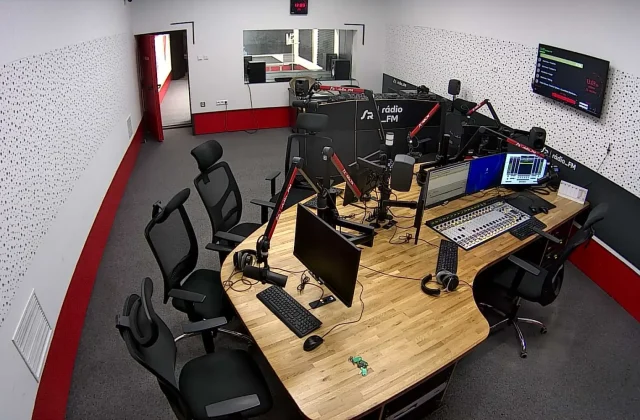
We started the episode by recalling how prime time has changed over the years. Programs that once aired at set times used to dictate the rhythm of the day; now viewers watch one episode on the bus, another in the kitchen and a third before bed. We talked with different households about how this fragmentation affects rhythms at home. During the conversation, everyone in the studio described how they watch at home, and the results were remarkably varied.
Then we moved on to the second-screen habit. Scrolling on a phone while the TV is on, or even following a group chat about the same show, is now very common. In the episode, we looked at its effect on attention spans, how producers structure scenes around it and why viewers still miss shared broadcasts. Our guests added that the behavior isn't new, but it has become visible with the spread of smartphones.

Viewers haven't disappeared; they just live their evenings in pieces now.
Sophie Laurent
Guest comments
Our guest, media researcher Grace Evans, shared the results of a survey on viewing hours. According to the survey, most participants prefer to watch a series in short bursts rather than finish it in one sitting. Evans said this should be read not as time being fragmented but as freedom of personal choice, and that this freedom has created a new habit. The data shows that viewing patterns at home are far more flexible than we assumed.
TV producer Oliver Grant explained that broadcasters are breaking programs into shorter pieces to keep up with this change. According to Grant, the sense of a shared broadcast hasn't disappeared entirely; live events, finale nights and game shows still bring people to the same screen at the same time. He noted that the digital stream has only increased the hunger for these moments. So shared broadcast moments aren't losing value; on the contrary, they're becoming something like special occasions.
Recommendations from the episode
The first recommendation we mentioned in the episode is a comedy series with no episode over twenty minutes, perfect for watching in short bursts. The second is a game show that's fun to watch together. The third is a calm nature documentary; it doesn't break the flow even when you're on your phone, and its picture and sound work beautifully in the background. We picked them for different moods: for anyone wanting to unwind, laugh or learn something.
| Topic | Streaming |
|---|---|
| Highlights | podcast, viewing habits, television |
| Reading time | 5 minutes |
| Written by | Sophie Laurent |
Key takeaways
- Prime time hasn't disappeared; it's lived in small pieces throughout the day.
- Live events and finales still bring people to the same screen at the same time.
- A weekly shared viewing night can spark phone-free conversation.
We also suggested two habits to listeners: make one evening a week a shared viewing night, and leave phones in another room that night. Grace Evans said she has seen this simple rule increase conversation within families. Oliver Grant suggested taking a careful look at your own viewing history for a week to understand your new viewing habits. We also asked listeners to keep up this little experiment for a month and write to us with the results.
What do you think about this post?

Leave a comment