





























































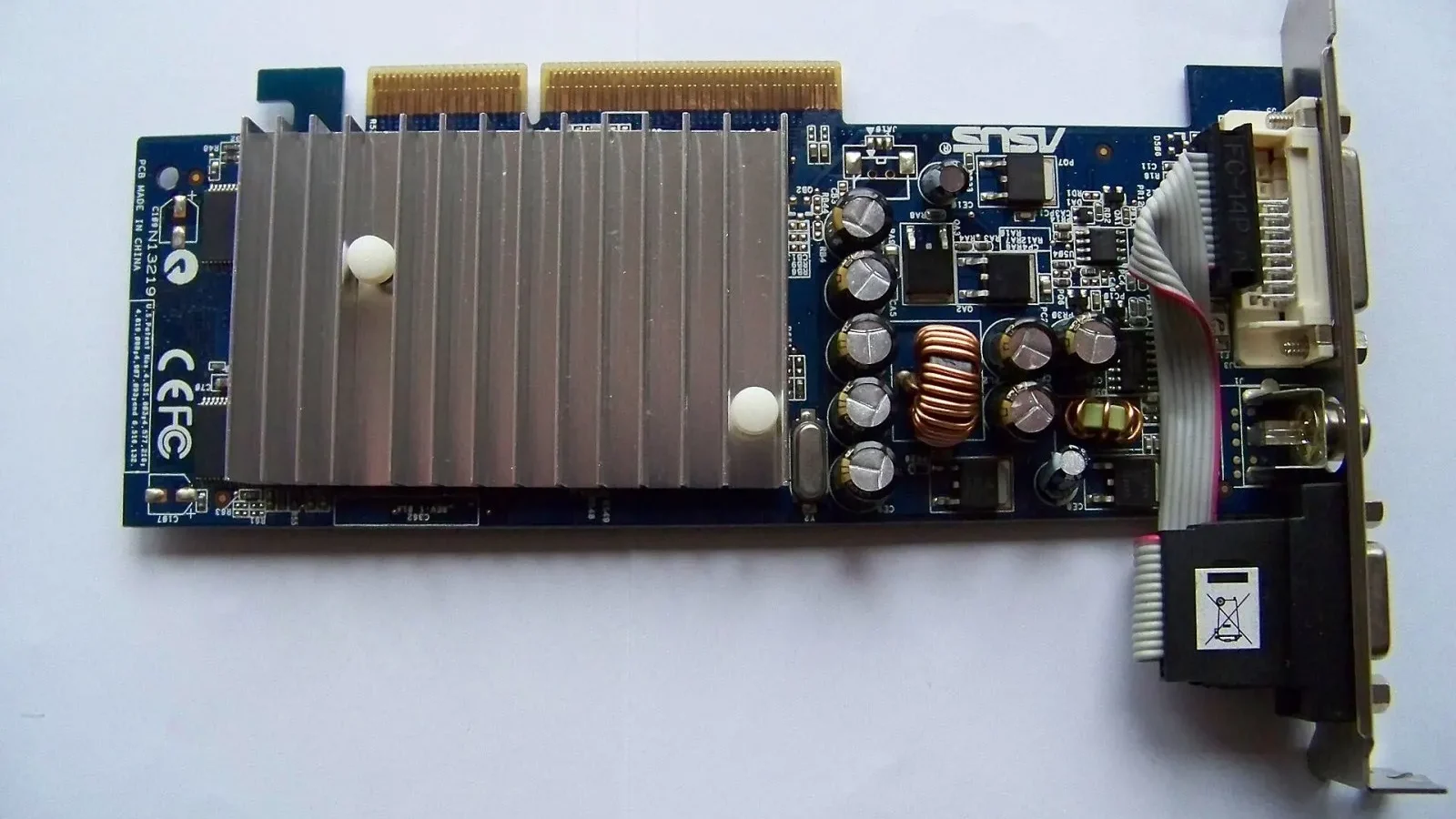
With a new generation of models hitting the graphics card market, gamers are understandably confused. So we compared four new mid-range and high-end cards on the same test system, across fifteen games and three resolutions. We also measured their performance in creative workloads such as video editing and 3D modeling. The results made it clear that the most expensive card is not always the most sensible choice. Power consumption and noise levels also weighed heavily in our verdict.
Test system and methodology
We measured all four cards on the same test system, with the same driver version and at the same ambient temperature. The platform includes a high-clocked desktop processor, 32 GB of fast memory and a fast storage drive, which kept the chance of a CPU bottleneck to a minimum. We ran each game three times and took the average.
In our measurements, we looked not only at average frame rates but also at 1 percent lows, because sudden drops are what determine smoothness. For resolutions, we chose 1080p, 1440p and 4K. We tested ray tracing and upscaling technologies both on and off. Power consumption was recorded with a wall meter at the outlet.
For most gamers, the sweet spot sits one step below the high end.
Jake Morales
Gaming performance results
At 1080p, all four cards topped 120 frames per second, and the differences between them stayed below what a gamer could feel. The real separation began at higher resolutions: the most expensive card pulled ahead by 38 percent on average, while the runner-up came surprisingly close. With ray tracing on, the gap widened slightly.
Upscaling technology is the single biggest factor that changes the picture. In quality upscaling mode, two of the cards produced almost twice the frame rate of native resolution without a serious sacrifice in image quality. The amount of memory matters too: the 8 GB card had to lower texture settings in new, detailed games. At high resolutions, 16 GB offers comfortable headroom.
Value for money
To calculate value for money, we divided each card's frame rate by its price. The result: the most expensive model came second to last in this table. The winner is the card one step below the high end. It delivers sweet-spot performance even on high-refresh-rate monitors and draws noticeably less power than its pricier sibling.
| Topic | Hardware |
|---|---|
| Highlights | graphics card, comparison, review |
| Reading time | 12 minutes |
| Written by | Jake Morales |
Key takeaways
- All four cards were tested on the same system, in fifteen games and at three resolutions.
- Upscaling technology and memory size have a clear impact on the results.
- The value winner is the card one step below the most expensive model.
Noise and heat also factored into our decision. The mid-range card stayed around 38 decibels inside the case under load, while the most powerful model went above 40. That difference matters if you have a small case. Check your power supply as well; high-end cards recommend 750 watts or more. The right choice is the card that matches your monitor and your budget.
What do you think about this post?

2 Comments
Really useful piece, thank you for putting it together.
I had never thought about this side of it. Looking forward to a follow-up.