


























































Ski season is almost here: A first-timer’s guide from choosing a resort to gear
From Palandöken to Uludağ and Erciyes to Kartalkaya, Turkey's resorts are gearing up for the season. For anyone hitting the slopes for the first time, we lay out what to know about lessons, rentals, clothing and safety.
Table of contents
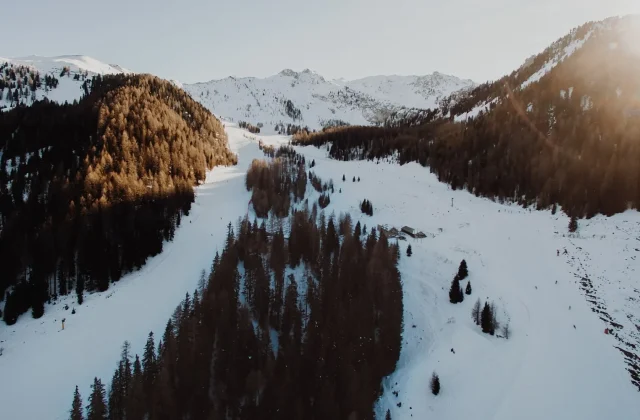
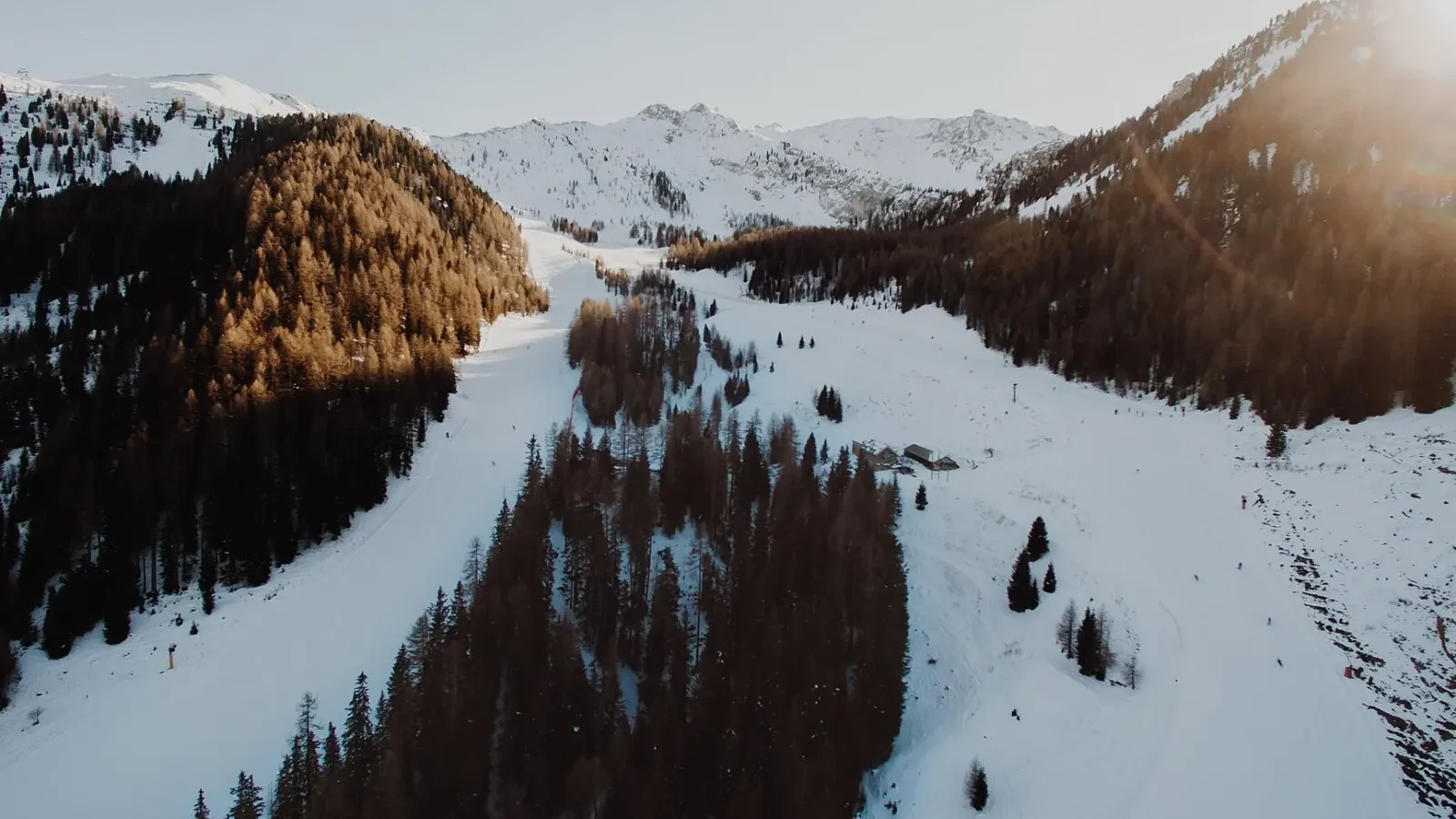
With December, the countdown to opening day has begun at Turkey's ski resorts. Palandöken near Erzurum, Erciyes near Kayseri, Uludağ near Bursa, Kartalkaya near Bolu and Sarıkamış near Kars each stand out for their own snow quality, ease of access and price level. For first-time skiers, the big question is where to begin. In this guide we cover the resorts with good beginner slopes, why a few days of lessons matter, the difference between renting and buying, and the secrets of layering. Opening dates depend on snowfall, so we recommend keeping your plans flexible and following each resort's latest announcements.
Which resort suits whom?
Turkey's ski resorts offer a wide range of options, each with its own character. Palandöken in Erzurum is known for its high altitude and dry powder snow, and its long, steep runs make it popular with experienced skiers too. Erciyes near Kayseri, close to the city center and with a slope network that has grown in recent years, appeals to beginners and advanced skiers alike. Both resorts are easy to reach from major cities thanks to their airport connections. Both also have plenty of places to stay close to the slopes.
Uludağ near Bursa, thanks to its proximity to Istanbul, is one of the most popular resorts for weekend getaways, though it can get crowded at peak times. Kartalkaya near Bolu, with slopes ringed by pine forests and the convenience of skiing straight from your hotel, is a favorite with families. Sarıkamış near Kars, with runs winding through Scots pine forests and its crystal snow, is ideal for anyone after a quieter experience. If you are skiing for the first time, choosing a resort where the beginner slopes aren't crowded makes learning easier.
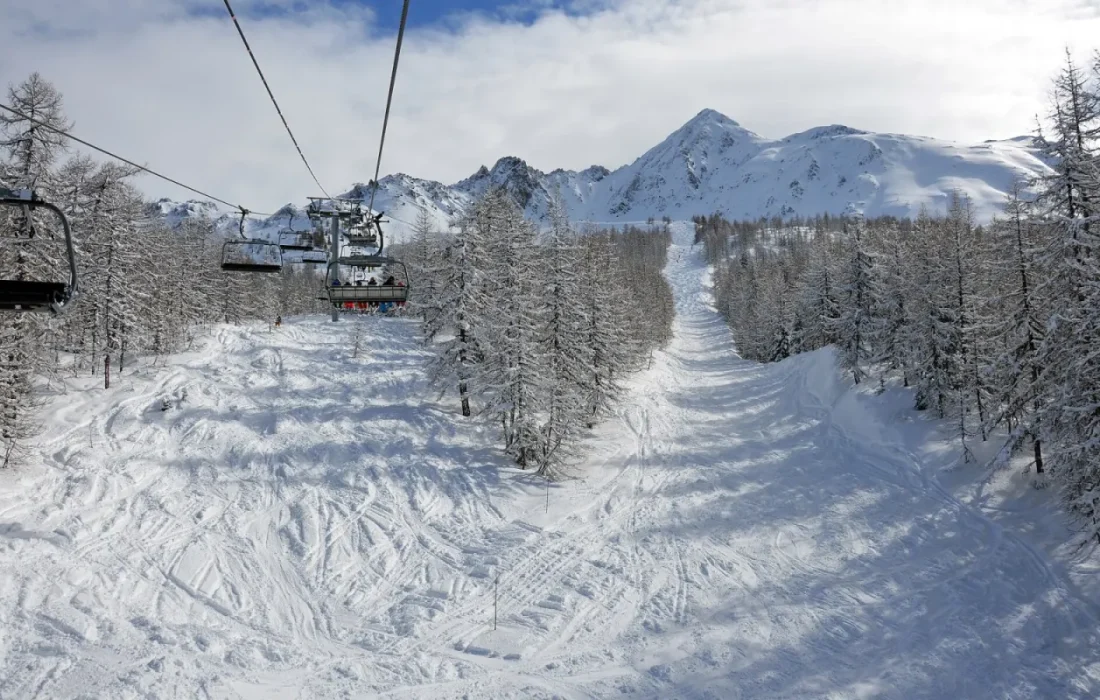
On your first day of skiing you learn to fall, on the second to get up, and on the third to enjoy it.
Jake Morales
Lessons, rentals and clothing: Getting off to the right start
The most important tip for first-time skiers is to take lessons from a certified instructor. Trying to teach yourself raises the risk of injury and lets bad habits set in. Most resorts offer group and private lessons; a few hours a day over the first two or three days is usually enough to pick up the basics. Anyone wanting to learn snowboarding should follow a similar path, which means fewer falls in the first few days.
When it comes to gear, renting is the most sensible option for your first season; skis, boots, poles and helmets are all available at the resorts' rental shops. A boot that grips your foot firmly without pinching is the key to comfort and control. For clothing, the three-layer rule applies: a base layer that wicks away sweat, a fleece mid-layer that holds in warmth and a waterproof outer shell. Ski goggles, gloves and sunscreen are also items you absolutely shouldn't forget.
Safety and etiquette on the slopes
The foundation of safety on the slopes is skiing on runs that match your level and being able to control your speed. Run colors indicate difficulty; beginners are advised to start on the easiest runs and not to move on to harder ones until they feel ready. Wearing a helmet is vital, especially for beginners and children. Going beyond the marked areas is extremely dangerous because of avalanche risk and is prohibited at most resorts. These rules exist so that everyone on the slopes can share the same fun safely.
| Topic | Nature & Adventure |
|---|---|
| Highlights | skiing, winter route, weekend |
| Reading time | 8 minutes |
| Written by | Jake Morales |
Key takeaways
- Palandöken and Erciyes stand out for snow quality, Uludağ and Kartalkaya for easy access.
- In your first season, take lessons from a certified instructor and rent your gear.
- Wear a helmet, stay on runs that suit your level and don't venture beyond the marked areas.
There are internationally recognized rules of etiquette on the slopes, too: the skier ahead of you has priority, you should stop at the side of the run and you should wait your turn in lift lines. Fatigue is one of the main causes of injuries, so take extra care on the last runs of the day. In case of any accident or injury, the right move is to alert the ski patrol and get help from medical professionals. Saving the resort's emergency number on your phone is a simple but effective precaution.
What do you think about this post?
2 Comments
Really useful piece, thank you for putting it together.
I had never thought about this side of it. Looking forward to a follow-up.