





























































A culture walk through the stone streets of Mardin: Madrasas, monasteries and terraces
From terraces overlooking the Mesopotamian plain to madrasa courtyards, a photo gallery and two-day walking plan exploring the city's stone fabric step by step.
Table of contents
With its stone houses stacked up a hillside, arched passageways and views stretching across the Mesopotamian plain, Mardin is one of the most striking cultural cities in Turkey. The cool days of autumn are far better for walking the city than the hot summer months, and the stone facades that turn honey-colored in the morning light are a treat for photographers. In this gallery we tell the story of a two-day walk through the narrow lanes off the main street, the madrasa courtyards and the monasteries outside the city. We also added how much time to allow for each stop and the rules to follow when visiting places of worship. Remember to check opening hours before you go.
The main street and narrow passages: The city's backbone
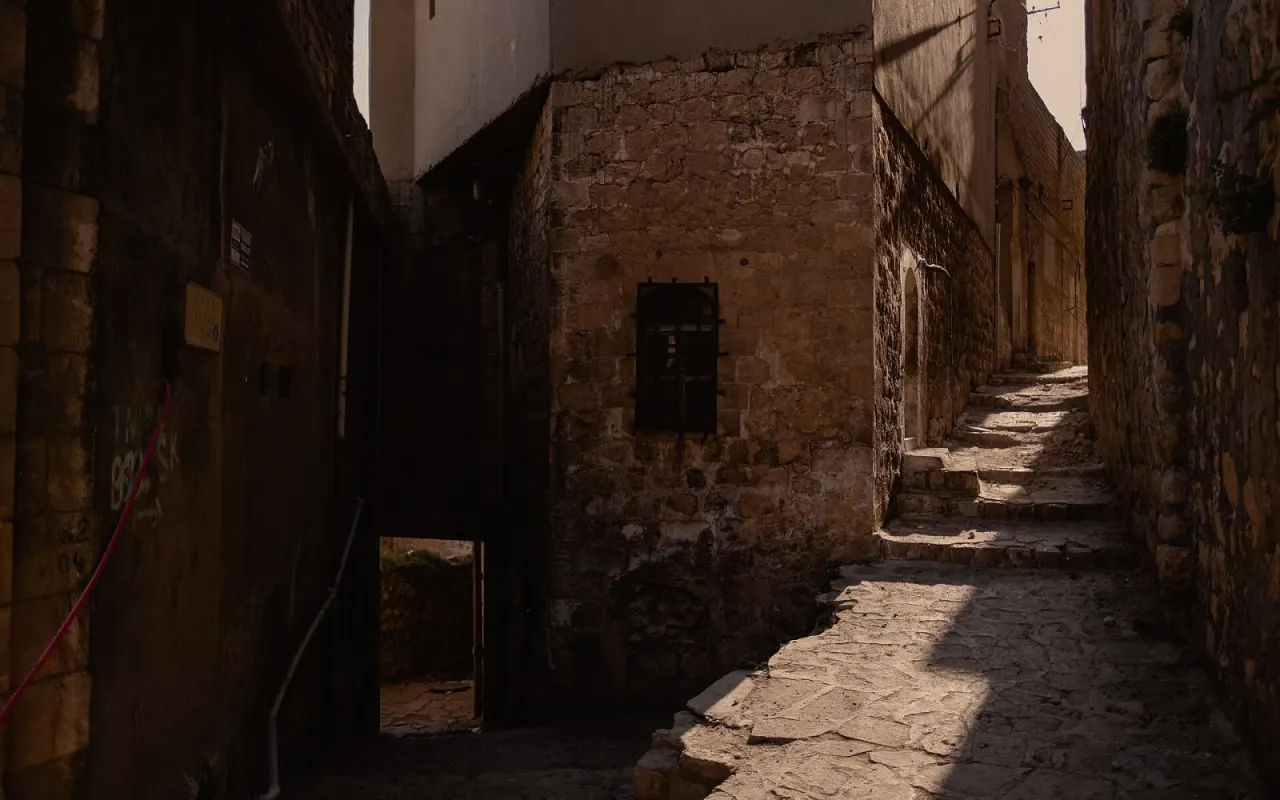
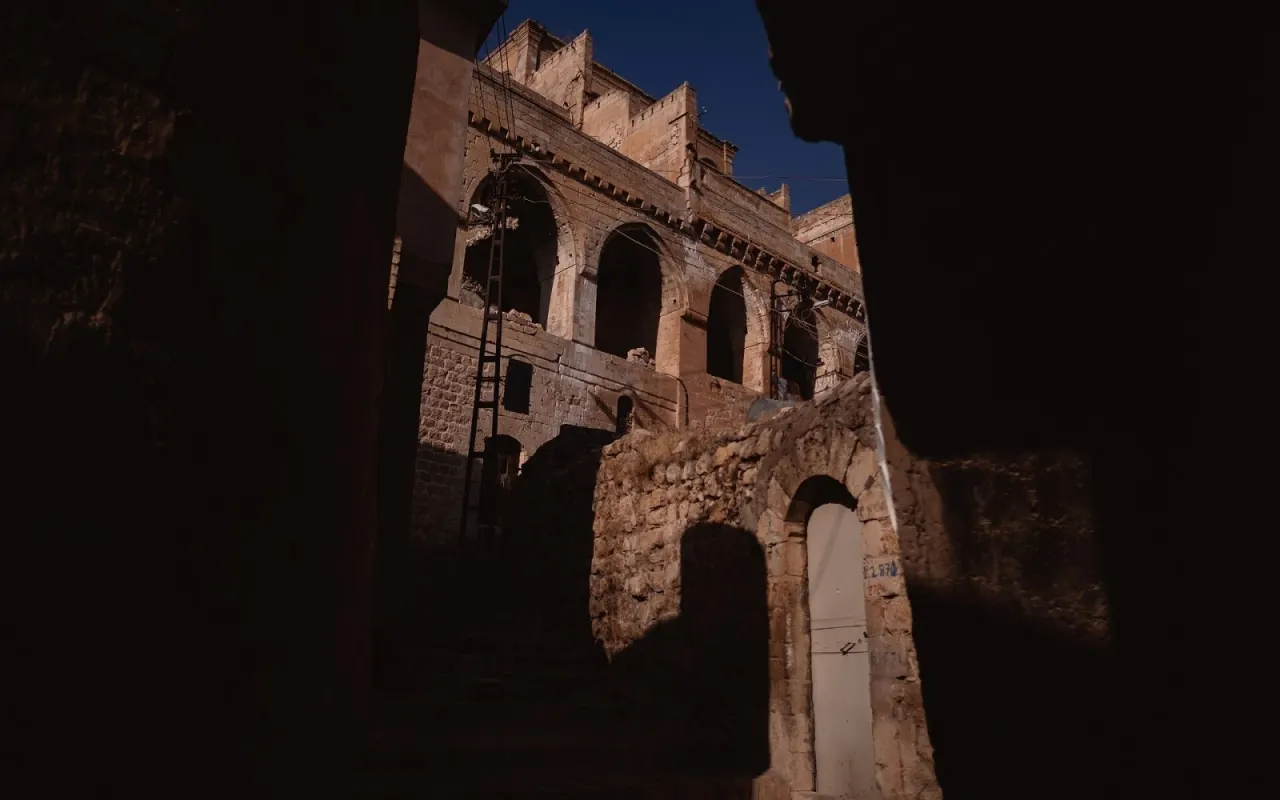
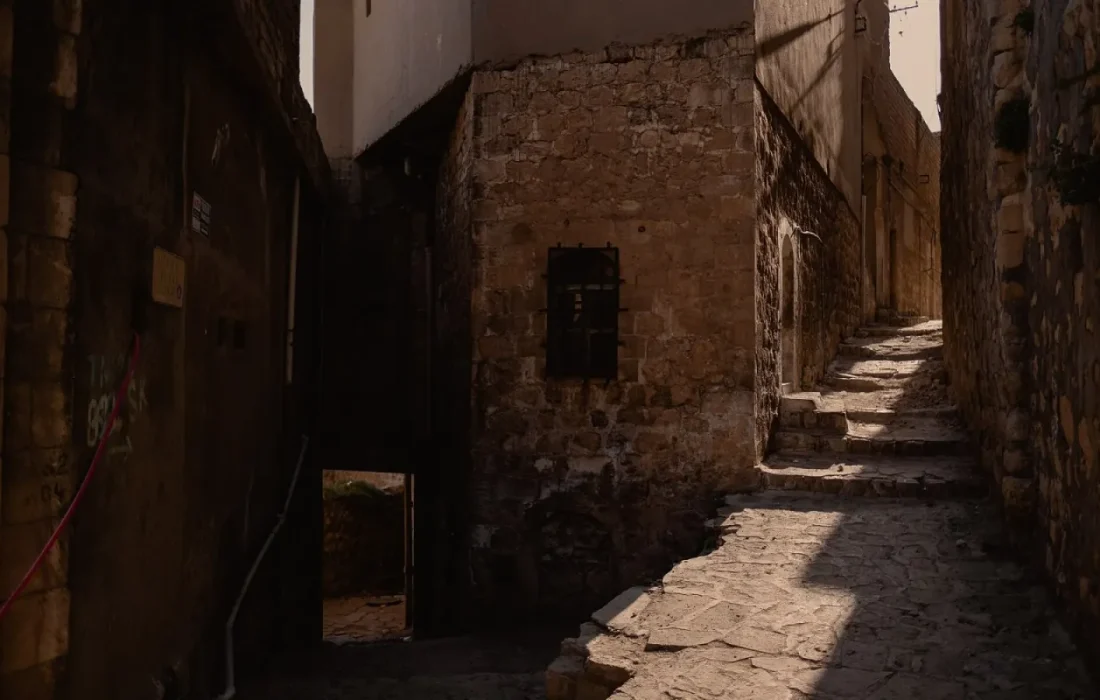
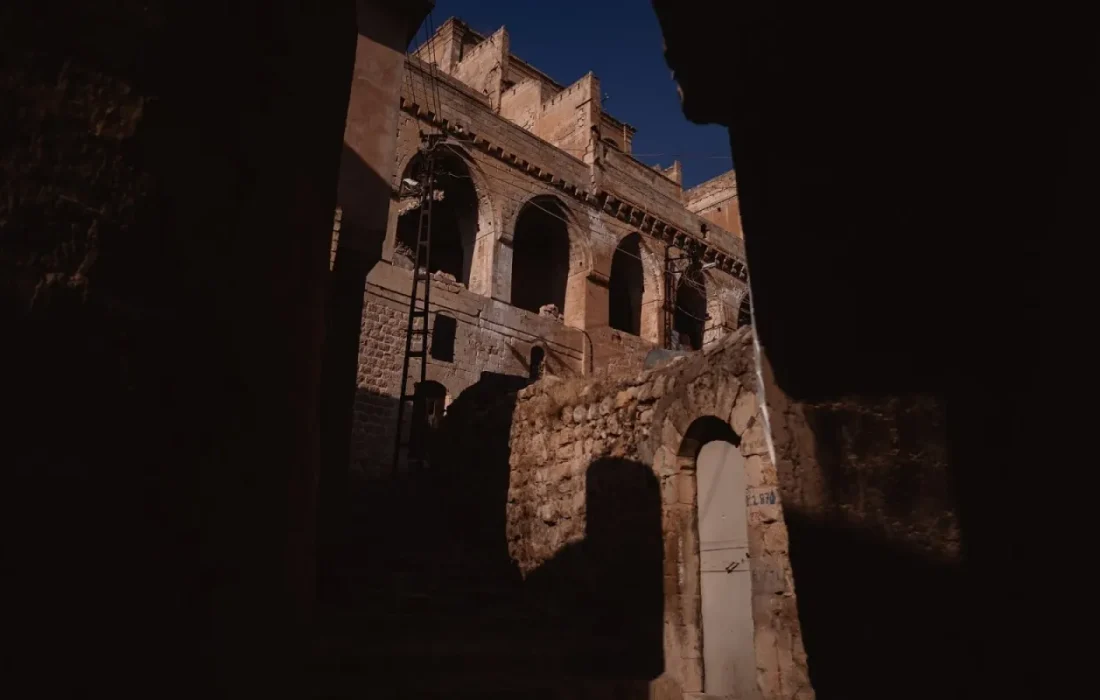
Mardin's old town takes shape around a main street that runs east to west along the hillside. This street is the center of the city's commerce and daily life, with jewelers, spice sellers, cafés and small craft shops side by side. The narrow lanes branching up and down from it hold the city's true character. Arched passageways, stone staircases and houses leaning against one another turn the hillside into a vertical labyrinth. Because many of the streets are linked by stairs, walking the city also means climbing it.
Getting lost in these streets is the best way to discover Mardin. The fine stonework on the facades, the door knockers and the window ornaments bear witness to a craft that local masters refined over centuries. The first shots in our gallery were taken early in the morning, when the sun paints the stone walls the color of honey. Comfortable shoes are a must, since the streets are steep and the stone paving can be slippery in places. When taking photos, remember to respect the privacy of residents sitting outside their homes.
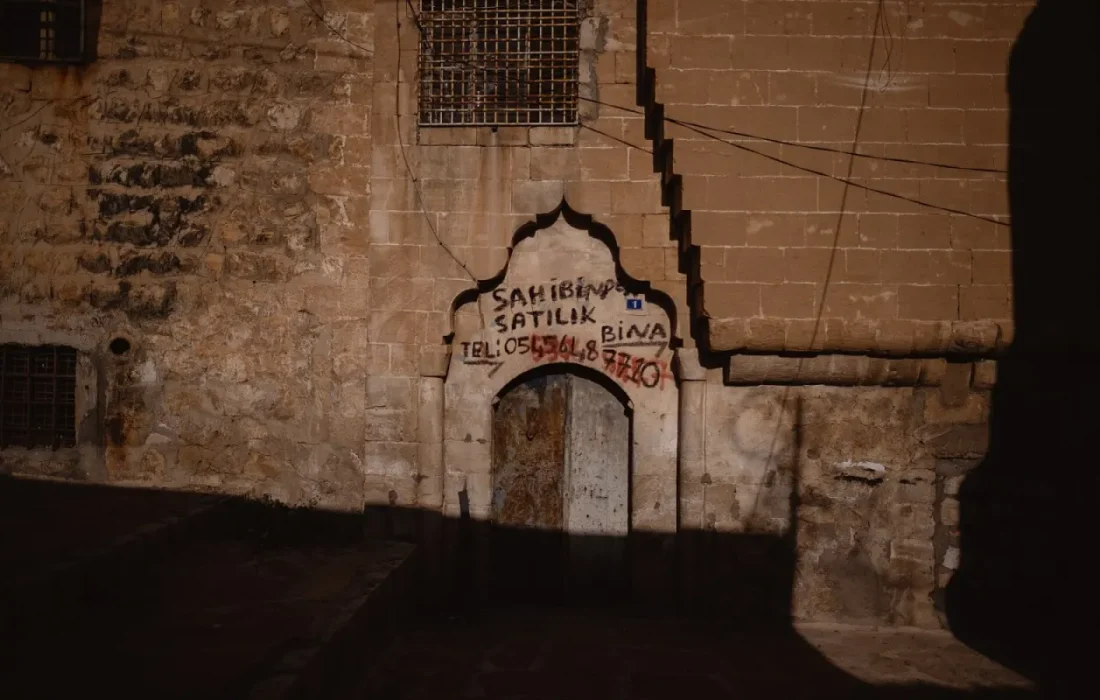
In Mardin, stone is not just a building material but the city's memory of thousands of years.
Emily Carter
Madrasas, mosques and monasteries
One of the city's most important buildings is the Zinciriye Madrasa, dating from the Artuqid period. The view of the Mesopotamian plain from its courtyard is one of the most striking sights in Mardin. The Kasımiye Madrasa, just outside the city, reflects the architectural vision of its era with its two-story courtyard and pool. The minaret of Mardin's Great Mosque is one of the easiest landmarks to pick out on the city's skyline. Visiting the madrasas in the morning makes for a much calmer experience. The geometric patterns in their stonework reward anyone who takes the time to look at the details.
About five kilometers (3 miles) east of the city, the Deyrulzafaran Monastery is one of the most important centers of Syriac culture and served as a patriarchate for centuries. Its stone courtyard and simple interiors offer visitors a quiet space for reflection. When visiting places of worship, dressing appropriately, keeping quiet and asking before taking photos are basic courtesies. We recommend checking visiting hours before you go. You can reach the monastery by taxi or a short drive.
From the terraces to the plain: Sunset and evening
Thanks to the city's terraces, sunset in Mardin becomes a spectacle of its own. Most of the cafés and restaurants on the main street have terraces overlooking the plain. As the sun goes down, the colors of the plain shift from gold to orange and then to purple, and the city's lights come on one by one. Watching this view over a glass of tea on a terrace on a cool autumn evening is one of the most unforgettable experiences Mardin has to offer. Don't forget to bring a light cardigan or shawl for the evening chill.
| Topic | Culture Trips |
|---|---|
| Highlights | historic town, photography, museum |
| Reading time | 7 minutes |
| Written by | Emily Carter |
Key takeaways
- The narrow lanes and arched passages off the main street hold the city's true fabric.
- The Zinciriye and Kasımiye madrasas and Deyrulzafaran Monastery are the route's main stops.
- Watch the sunset from a terrace overlooking the plain, and end the evening with mırra coffee.
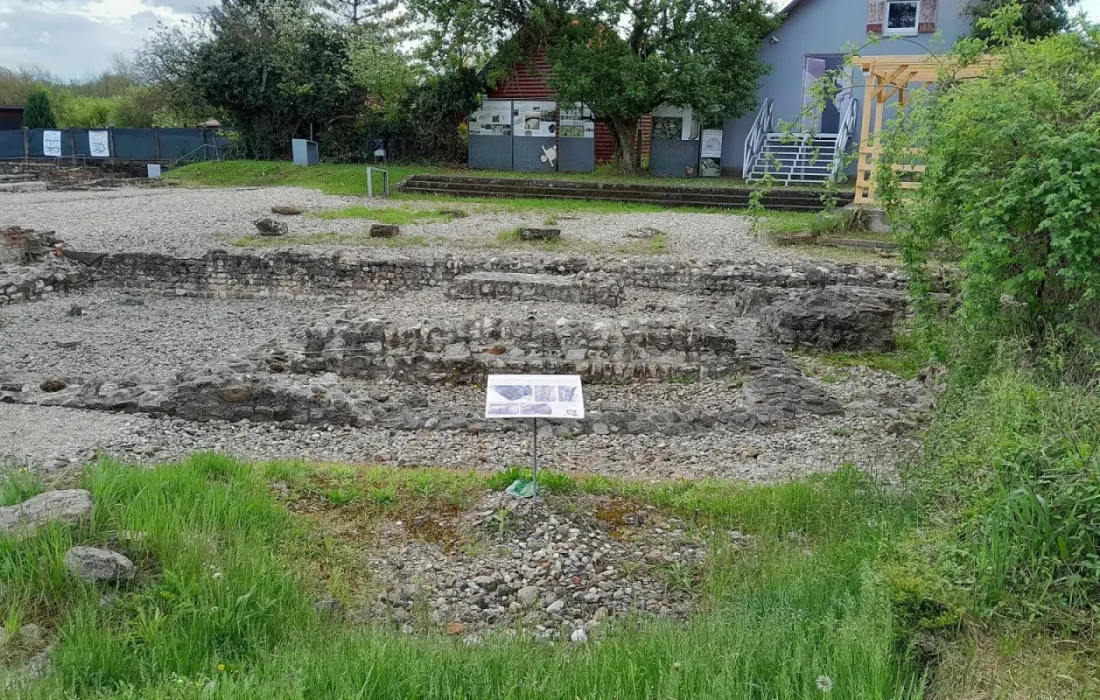
At dinner, try the specialties of Mardin's cuisine: stuffed lamb ribs, sembusek flatbreads and stuffed bulgur meatballs are staples of the city's tables. After the meal, tasting mırra, a bitter, intensely strong coffee, is a local tradition. If you have time on your second day, you can add the nearby ancient city of Dara or the stone houses and filigree silversmiths of Midyat to your route. These stops appear in the final shots of our gallery and round out the city's cultural diversity. Local soaps and filigree jewelry are among the most meaningful souvenirs to bring home.
What do you think about this post?
Leave a comment