




























































Silent films from the earliest days of cinema returned to the screen with live music at a special night organized by the Cinematheque. A twenty-piece chamber orchestra accompanied the restored prints with specially composed scores. The packed audience included young students curious about film history as well as older cinephiles who had first seen these films years ago. The night ended with a long ovation.
In this article
- The magic of silent film
- How the orchestra prepared
- Young audiences turn out
The magic of silent film
The night began with two restored short films and a feature. As the house lights dimmed, the orchestra took its place in front of the stage and the first film appeared on the screen. When the flickering flow of black-and-white images blended with the rhythm of the music, smiles spread across the audience's faces. The atmosphere of the era when silent film was born came alive again in the theater.
The magic of silent film lies in experiencing the screenings together with music. In cinema's early years, a pianist or a small ensemble in the theater would improvise music to match the scenes on screen. On this night, too, the musicians changed rhythm to suit each scene, with cheerful tunes for the comic moments and slow melodies for the tense ones. The audience felt, step by step, how the music transformed each scene.
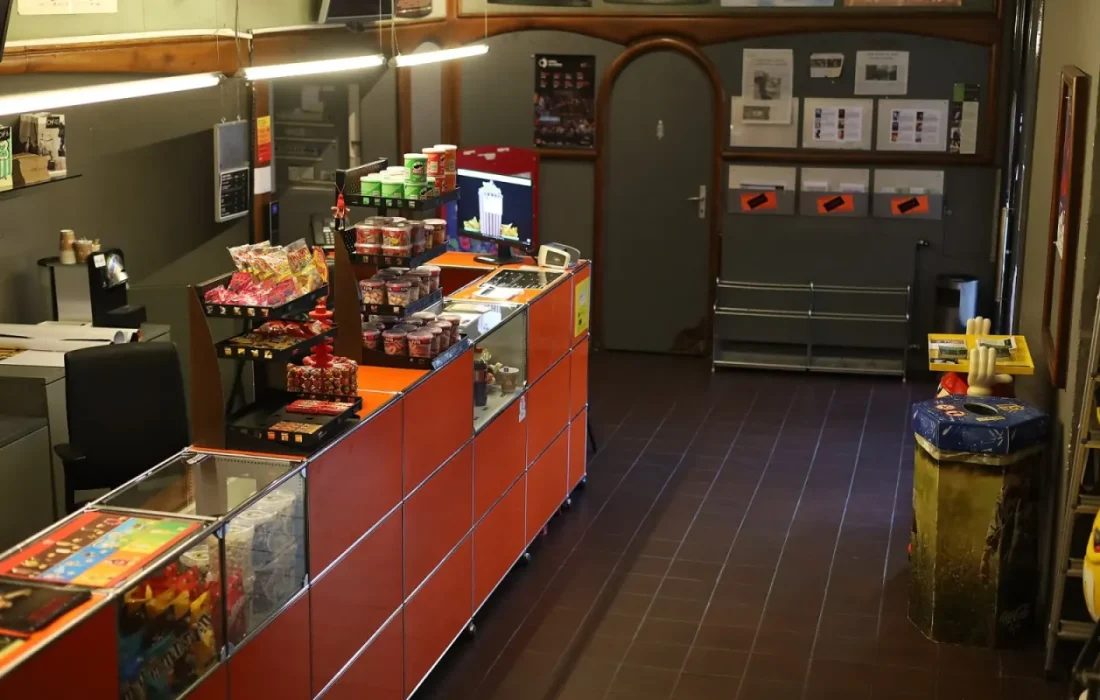
Silent film is, in fact, where music speaks the loudest.
Sarah Bennett
How the orchestra prepared
The orchestra began preparing for these screenings months in advance. The composer watched each film's scenes over and over, noting where the music should swell and where it should fall silent. In rehearsals, the musicians had to learn to play while watching the screen, because every note had to start in perfect sync with the film. The work turned the music into an invisible member of the cast.
The conductor positioned the twenty-piece chamber orchestra facing the screen and used a small monitor to follow the transitions easily. One musician said playing along with a film felt less like a concert than a conversation, with the movement on screen shaping the music. The small hiccups of the rehearsal period turned into flawless harmony over the course of the night.
Young audiences turn out
One of the best things about the screening was the diversity of the audience. Film students in their twenties and older cinephiles who had seen these films years ago laughed together at the same comedies. One young viewer said it was the first time she had seen a silent film feel so alive and that she hadn't expected the images to be so moving. Her friend added that he had tried watching silent films at home, but without music they felt very long.
| Topic | Film |
|---|---|
| Highlights | cinema, classical music, festival |
| Reading time | 5 minutes |
| Written by | Sarah Bennett |
Key takeaways
- Restored silent films were screened with live music from a twenty-piece chamber orchestra.
- The orchestra played a score composed for each scene while watching the screen.
- The Cinematheque plans to make similar live-music screenings a regular event.
The Cinematheque's directors plan to hold similar screenings regularly. Future events will involve collaborations with different composers, and some films will feature experiments with electronic music. The night ended with a long ovation; on the way out, audience members gathered in front of the stage to congratulate the musicians and organizers. The organizers said the strong response has encouraged the team to plan new screenings.
Leave a comment