





























































The Art Ledger Podcast: The city and loneliness through a poet’s pen
In this episode of our podcast series, we talked with poet Owen Dean, whose new collection is getting plenty of attention, about city life, loneliness and why poetry is still necessary today.
In the new episode of The Art Ledger Podcast, our guest is poet Owen Dean, whose latest book made the shortlists of several literary prizes. Dean talked candidly about the loneliness of living in a crowded metropolis, the lines he writes on night buses and what poetry can offer readers in a world of fast consumption. In the episode, you can also hear the poet read three poems from his book in his own voice. The forty-five-minute episode is out now on all platforms.
In this article
- How the new book was born
- The city and the poem
- Advice for young poets
How the new book was born
Owen Dean says the idea for his new book was born on a night bus. Watching the city lights reflected in the window, the sleeping passengers and the people who spoke to no one, he jotted down the lines that came to him on his phone. The book took shape as those notes accumulated over months. The poet describes the writing process not as construction but as collecting.
In the episode, Dean also shares how he found the book's title and who its first reader was: a literature teacher who has been his friend for many years. Dean says her criticism made his poems more honest rather than softening their edges. When the book made the prize shortlists, his phone rang for days, but in the middle of all that attention he still chose to retreat to his own corner at night to write new lines. The poet sees this habit as a small ritual that reminds him poetry needs silence.
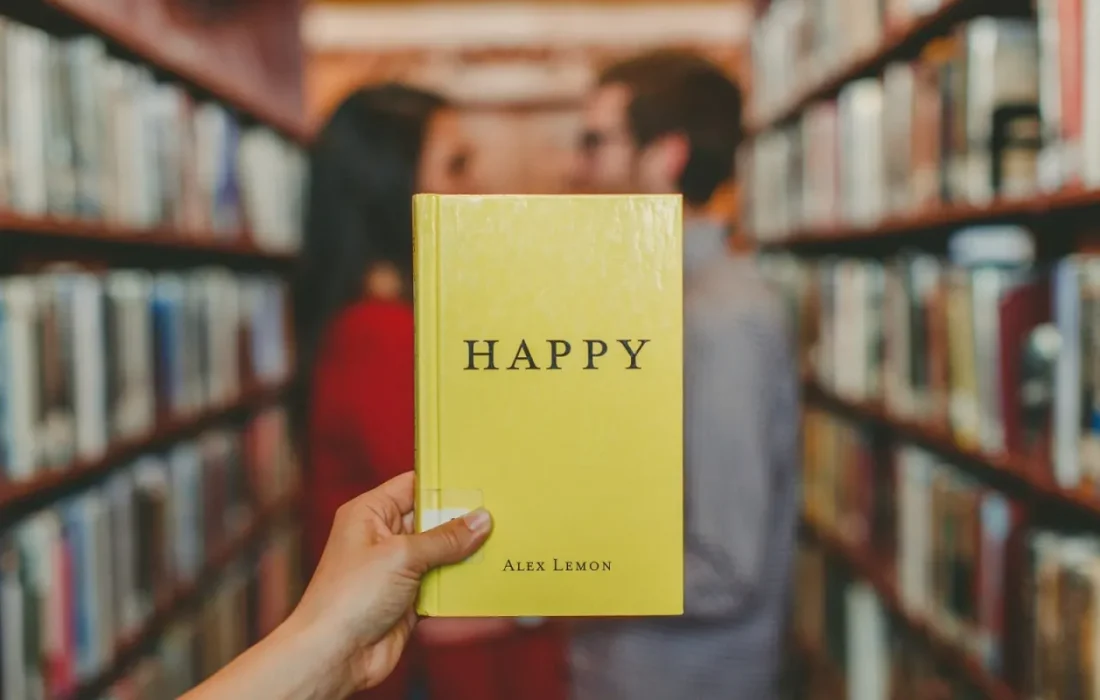
Poetry is a way to hear our own voice in the crowd.
Sophie Laurent
The city and the poem
Talking about the relationship between the city and poetry, Dean believes nothing captures the loneliness of the crowd better than a poem. In a metropolis where everyone walks fast, poetry is one of the rare things that reminds us to slow down. To him, street noise, apartment buzzers and even a broken elevator can all be material for a poem. Dean says these sounds have seeped into many lines of the book and that listening to the city is half of writing.
Throughout the podcast, our guest stresses that loneliness in the city is actually a shared feeling. Recognizing this, he says, creates a quiet bond between reader and poet. Midway through the episode, Dean reads two poems from the book in his own voice. The pauses and breaths in his reading show how a poem takes on a life different from the one it has on the page.
Advice for young poets
His advice to young poets is to read a lot first, then leave what they write in a drawer for a while. Dean thinks poems published in a hurry usually remain in the shadow of that first excitement. He also recommends sending work to magazines and joining writing workshops, because although a poet has to work alone, a poet doesn't have to be alone. He says he attended a reading group for years himself, and its members were his first readers.
| Topic | Literature |
|---|---|
| Highlights | poetry, novel, interview |
| Reading time | 3 minutes |
| Written by | Sophie Laurent |
Key takeaways
- The poet's new book was born from notes taken on night buses.
- Poetry reminds us to slow down amid the speed of the city and of a shared loneliness.
- Young poets are advised to read a lot first and let their work rest before publishing.
At the end of the episode, we asked Dean why poetry is still necessary. His answer: because poetry is a way to hear our own voice in the crowd. You can find the forty-five-minute episode on all listening platforms. In the next episode, we will talk with a translator about how poetry from other languages is carried into English; you can follow our schedule for upcoming guests and send us your suggestions.


Leave a comment