

















































Homegrown films draw big crowds at the international film festival
Now in its thirtieth edition, the international film festival greeted homegrown productions with sold-out screenings and long ovations. Favorites in the national competition are already emerging.
The international film festival that cinephiles look forward to every year packed its theaters once again in its thirtieth year. The most striking section was the national competition, where homegrown productions compete. Half of the twelve films selected this year are by young directors making their first feature. Ranging from a quiet family drama set in the countryside to a documentary questioning urban redevelopment, the lineup showed once again how diverse and vibrant the country's cinema is.
In this article
- Standouts in the national competition
- The rise of young directors
- Notes from the documentary program
Standouts in the national competition
Most of the twelve films in the national competition drew lines before showtime. The quiet family drama set in the countryside made a deep impression on audiences by capturing everything left unsaid among relatives gathered around a holiday dinner table. The documentary questioning urban redevelopment, built on long interviews with neighborhood residents, stood out as a film that invites debate.
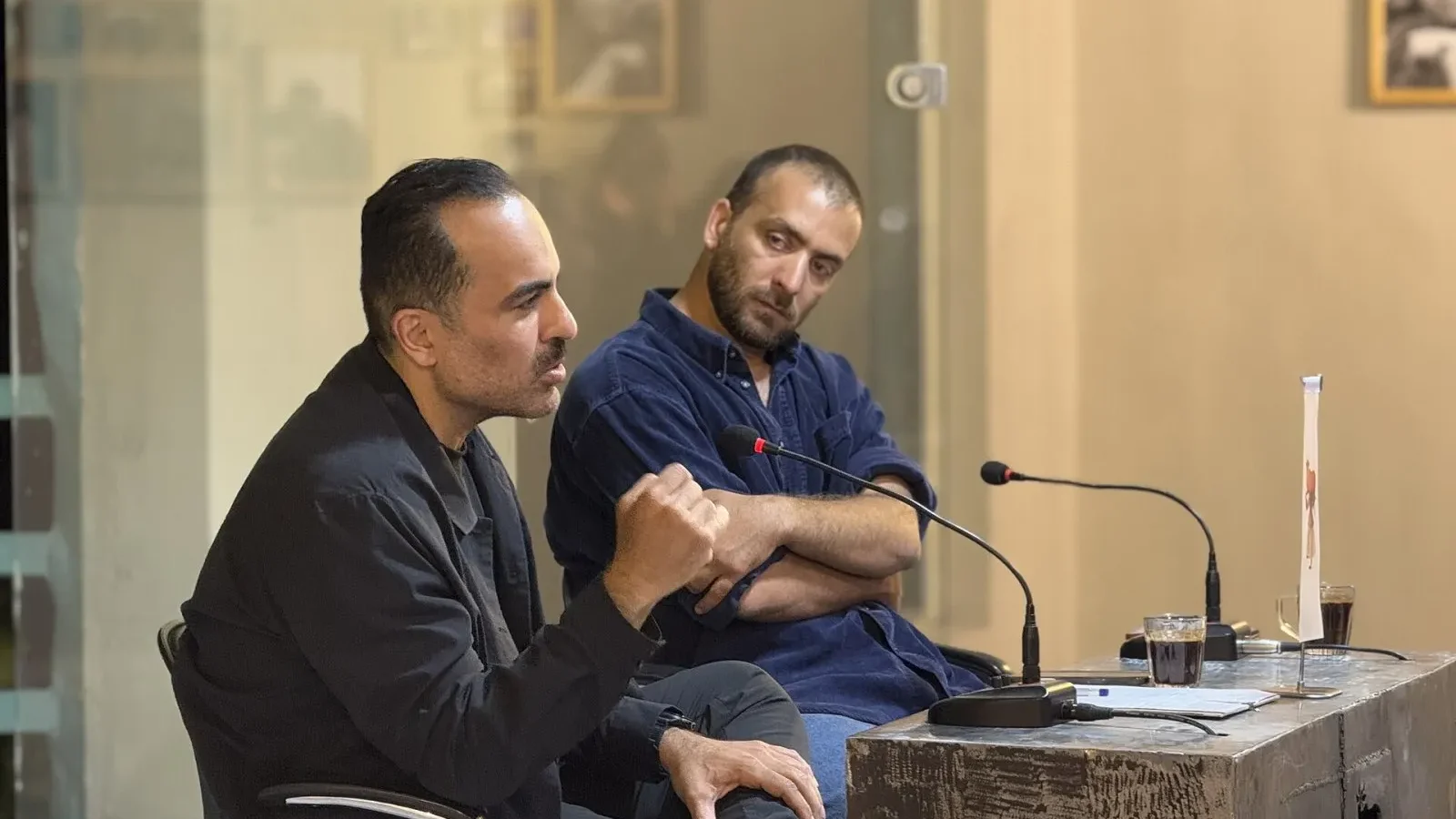
Another favorite was a small-scale drama following the final week of a tailor who has worked on the same street for decades. After the screening, the audience gave a standing ovation, and in the Q&A the director explained that the film was shot largely in his own neighborhood. The festival jury will announce its final decision in the coming days, but the conversations in the theater already suggest a few films are pulling ahead.
Young directors are bringing a fresh, bold voice to our cinema.
Sarah Bennett
The rise of young directors
With half of the twelve films in the lineup being debuts, there were more young directors than ever in the festival corridors. What these filmmakers share is that they use their limited budgets not as a constraint but as a source of style. Several films opted for single-location stories or simple sets taken from real life, giving the productions a closer, more intimate gaze.
The festival ran a dedicated workshop and matchmaking program for first films. Young directors met experienced producers and distributors to discuss future release plans for their films. One participant said meetings like these offer guidance not only for one film but for the next project as well.
Notes from the documentary program
The documentary program was wide-ranging, from a follow-up project years in the making to a portrait of a small town's local radio station. The radio documentary combines audio recordings with old photographs to paint a portrait that is both nostalgic and honest. Audiences stayed to talk with the director at length after the screening, and the Q&A ran almost twice as long as planned.
| Topic | Film |
|---|---|
| Highlights | film festival, documentary, cinema |
| Reading time | 6 minutes |
| Written by | Sarah Bennett |
Key takeaways
- Half of the twelve films in the national competition are debut features by young directors.
- A rural drama, an urban redevelopment documentary and a tailor's story stood out.
- Documentary screenings sold out, and extra screens are planned.
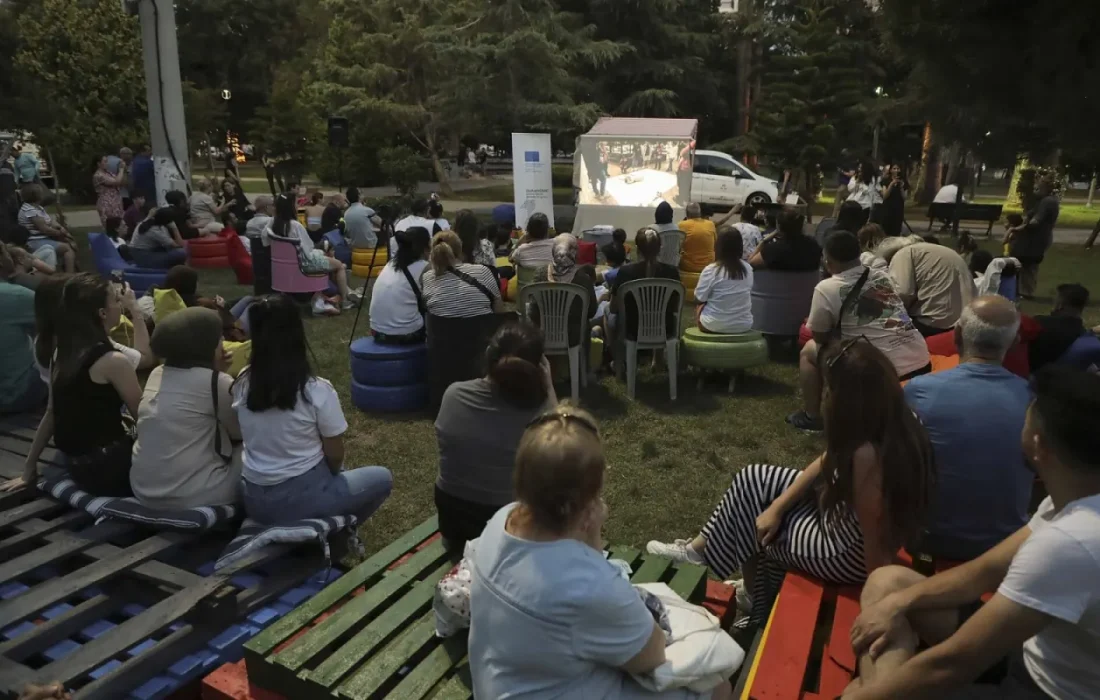
The interest in documentary screenings was one of the most striking developments of this year's festival. Many sessions sold out in advance, and in places the theaters were filled with people sitting on the stairs. With that demand in mind, the festival team announced plans to add more screens for the documentary section next year. The program's screenings continue until the last day of the festival.
Leave a comment