
























































Homegrown horror is on the rise: Small budgets, big curiosity
Homegrown horror films released in recent years are reaching large audiences both in theaters and on streaming platforms. We talked to a director and a critic about the genre's rise.
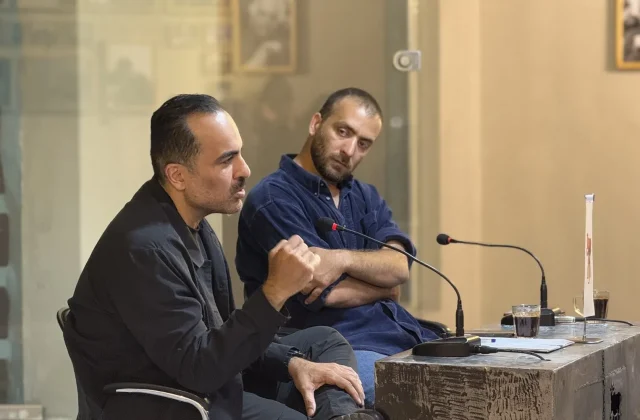
For many years one of the genres on the margins of local cinema, horror is now enjoying an unexpected boom. Drawing on folktales, village legends and urban myths, these films are reaching wide audiences in theaters and on streaming platforms despite their low budgets. In our video feature, we talked with Brandon Shaw, one of the genre's new-generation directors, and film critic Natalie Archer about the reasons behind the boom. Both believe horror is one of the most effective ways to talk about a society's anxieties.
In this article
- Horror rooted in folklore
- Building suspense on a shoestring
- How have audiences changed their view of the genre?
Horror rooted in folklore
Director Brandon Shaw traces the genre's link with folklore back to his childhood memories. He says the eerie tales he heard during evening gatherings in his village now form the basis of his screenplays. In his view, because these stories are passed down from generation to generation, audiences meet a familiar fear on screen, and that familiarity heightens the tension. Natalie Archer, for her part, describes bringing these stories to the screen as an act of memory.
According to Archer, the strength of homegrown horror lies in placing the supernatural within everyday life. A dark stairwell, a sealed-up well or a remark from an elderly relative during a holiday visit can turn into a shiver on screen. This approach keeps audiences glued to the screen without big effects budgets and makes the films hard to forget.
A horror film is the story a society tells itself at midnight.
Sarah Bennett
Building suspense on a shoestring
Shaw sums up the most important rule of building suspense on a low budget as showing less. Rather than revealing a creature from start to finish, a shadow glimpsed through a half-open door or a sound from behind a wall frightens the audience more. Shooting in a single house both cuts costs and creates a claustrophobic atmosphere.
A small crew also speeds up communication on set. Shaw says the actors completed many scenes in a single take, which produced a genuine sense of fear and unease. Sound design is the film's main weapon. The ticking of an old clock or a distant lullaby can leave a deep impression even in a film made on a modest budget.
How have audiences changed their view of the genre?
Archer says audiences' view of the genre has changed markedly over the past decade. Once seen as a cheap genre, horror is now taken seriously at festivals and in critics' writing. Young people are reviving the culture of watching with friends and holding long discussions about films on social media after screenings. This lively interest is encouraging producers to be bolder with new projects.
| Topic | Film |
|---|---|
| Highlights | cinema, film festival, interview |
| Reading time | 6 minutes |
| Written by | Sarah Bennett |
Key takeaways
- Homegrown horror hooks audiences by placing folklore within everyday life.
- Low-budget productions build suspense by showing less and relying on strong sound design.
- The genre is now taken seriously at festivals and in criticism.
Shaw argues that horror is a safe way to give voice to social anxieties. Subjects such as urbanization, loneliness and generational conflict can be discussed more freely inside a ghost story. Both believe more new directors will turn to the genre in the years ahead. In the video, you will find the full interview and film recommendations from our two guests.
Leave a comment