






























































The hidden inns of the historic peninsula: A walking route
For centuries the heart of trade, the historic inns now house craftspeople and small workshops. We share the walking route we took to discover the hidden inns of the historic peninsula.
Among the crowded bazaars of the historic peninsula, centuries-old inns lie hidden behind great stone gates that most people walk past. Once places where caravans stopped and merchants displayed their wares, these buildings are now home to craftspeople of all kinds, from jewelers and mother-of-pearl inlayers to bookbinders and coppersmiths. On a walk led by a historian, we toured the peninsula's most impressive inns and heard the story of each one. At the end of the article, you will find a short map for walking the route on your own and notes on opening hours.
In this article
- The inns' place in the history of trade
- Stops along the route
- The crafts that live on in the inns
The inns' place in the history of trade
The inns were the commercial backbone of the Ottoman city. Merchants arriving from the provinces and from abroad stored their goods in these courtyard buildings, stayed in their rooms and did their trading there. The lower floors held storerooms and shops, while the upper floors held rooms. Our historian explained that each inn specialized in a particular group of goods, some standing out for silk, others for spices and furs.
The inns' gates were closed at night, and each building worked like a small, secure city of its own. The small prayer room and fountain in the middle of the courtyard formed the inn's social center. Although some of these buildings have fallen into disrepair, others have managed to keep their original structure thanks to restoration. The historian stresses that preserving the inns means keeping the city's commercial history alive.
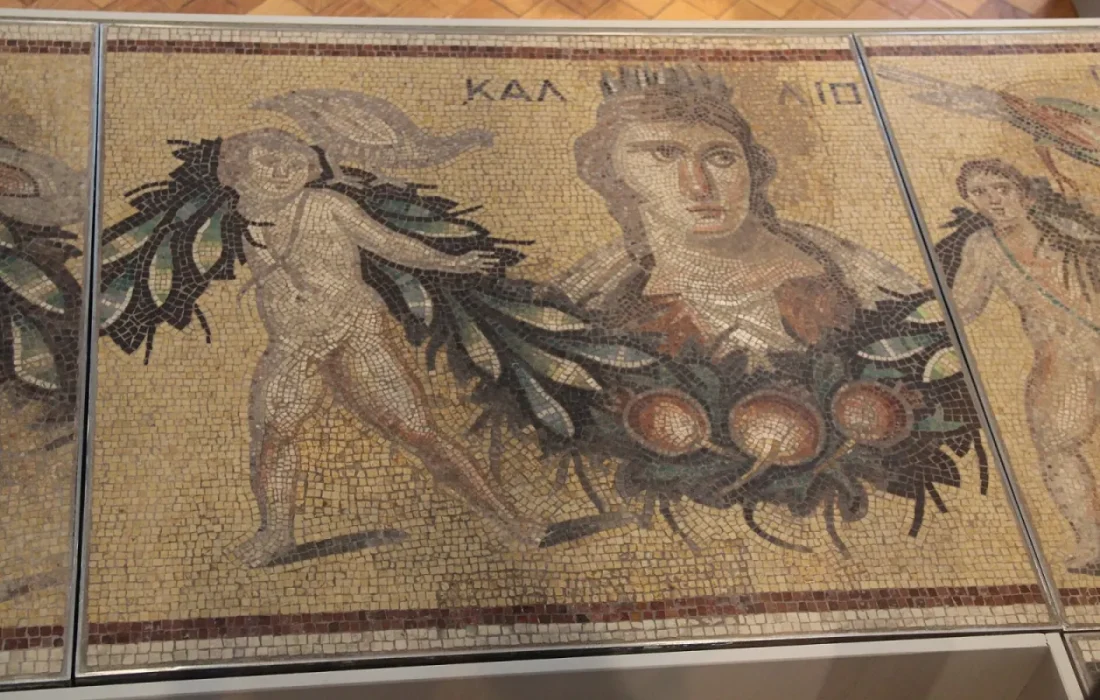
In every inn's courtyard, the sound of the centuries still echoes.
Mark Ellison
Stops along the route
Our route begins with a narrow passage off the bazaar's main street. The first stop is a large inn notable for its arched entrance and two-story arcaded courtyard, where jewelers' workshops are lined up side by side. At the second stop, we reach a wide courtyard where caravans once tethered their horses. Pausing at each stop around the small fountain in the courtyard to hear the building's history gives the route a rhythm of its own.
The third inn, with its high stone walls and small arched windows, is a more inward-looking building. You can climb its stairs to the terrace level; seeing the rooftops of the bazaar and the silhouettes of the minarets from above is one of the best moments of the route. If you want a break to finish the walk, try the tea garden in the courtyard of the fourth inn.
The crafts that live on in the inns
Today the inns are not just historic buildings but living workshops. In one corner, a mother-of-pearl inlayer works tiny pieces of shell with a fine needle; in another, a bookbinder repairs the spine of an old book. One master said he learned the craft from his father and hopes his apprentice will one day take his place. What the workshops have in common is that hand tools still take the place of machines and every job requires patience.
| Topic | History |
|---|---|
| Highlights | Ottoman, architecture, museum |
| Reading time | 8 minutes |
| Written by | Mark Ellison |
Key takeaways
- The inns were the center of trade, lodging and storage in the Ottoman city.
- The walking route links four inns with courtyards and arcades.
- Jewelers, mother-of-pearl inlayers and bookbinders still work in the inns today.
Opening hours vary from inn to inn, but the workshops are generally open from ten in the morning to five in the afternoon. Note that some inns may be closed on Sundays. It is polite to ask the craftspeople before taking photos in their workshops. Downloading a map of the route before you set out will make it easier to find your way in the narrow streets; and once again, don't forget comfortable shoes.
Leave a comment