




























































A day at Göbekli Tepe: A journey to humanity’s first temples
We explored Göbekli Tepe, near Şanlıurfa, from sunrise to sunset. Watch the footage we shot in the shadow of its monumental pillars.
A few miles outside Şanlıurfa, on a windswept hilltop, lies a story roughly twelve thousand years old. Göbekli Tepe's T-shaped pillars, carved with foxes, wild boars and vultures, force us to rethink what we know about human history. Our team spent a full day at the site, walking the paths that circle the excavation and recording the light as it changed through the day. In our video, we also share practical tips for anyone planning a visit to Göbekli Tepe.
In this article
- The animal figures carved in stone
- What to know before you visit
- Rounding off the trip at Şanlıurfa's museums
The animal figures carved in stone
Seen up close, the reliefs on the pillars are carved in astonishing detail. Foxes, wild boars and vultures lean forward as if trying to break free of the stone. Archaeologists offer different interpretations of the figures' ritual meaning, but there is no definitive explanation yet. That uncertainty makes the visit all the more mysterious.
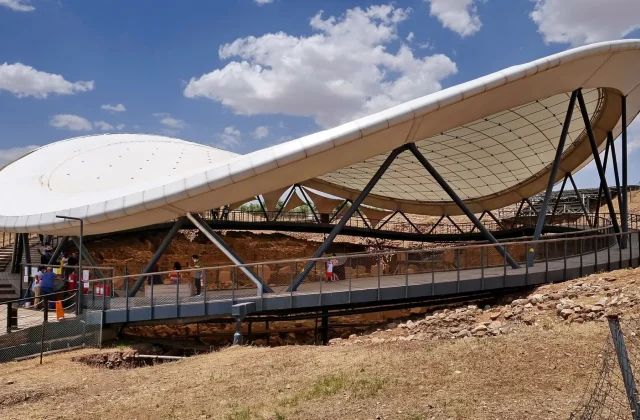
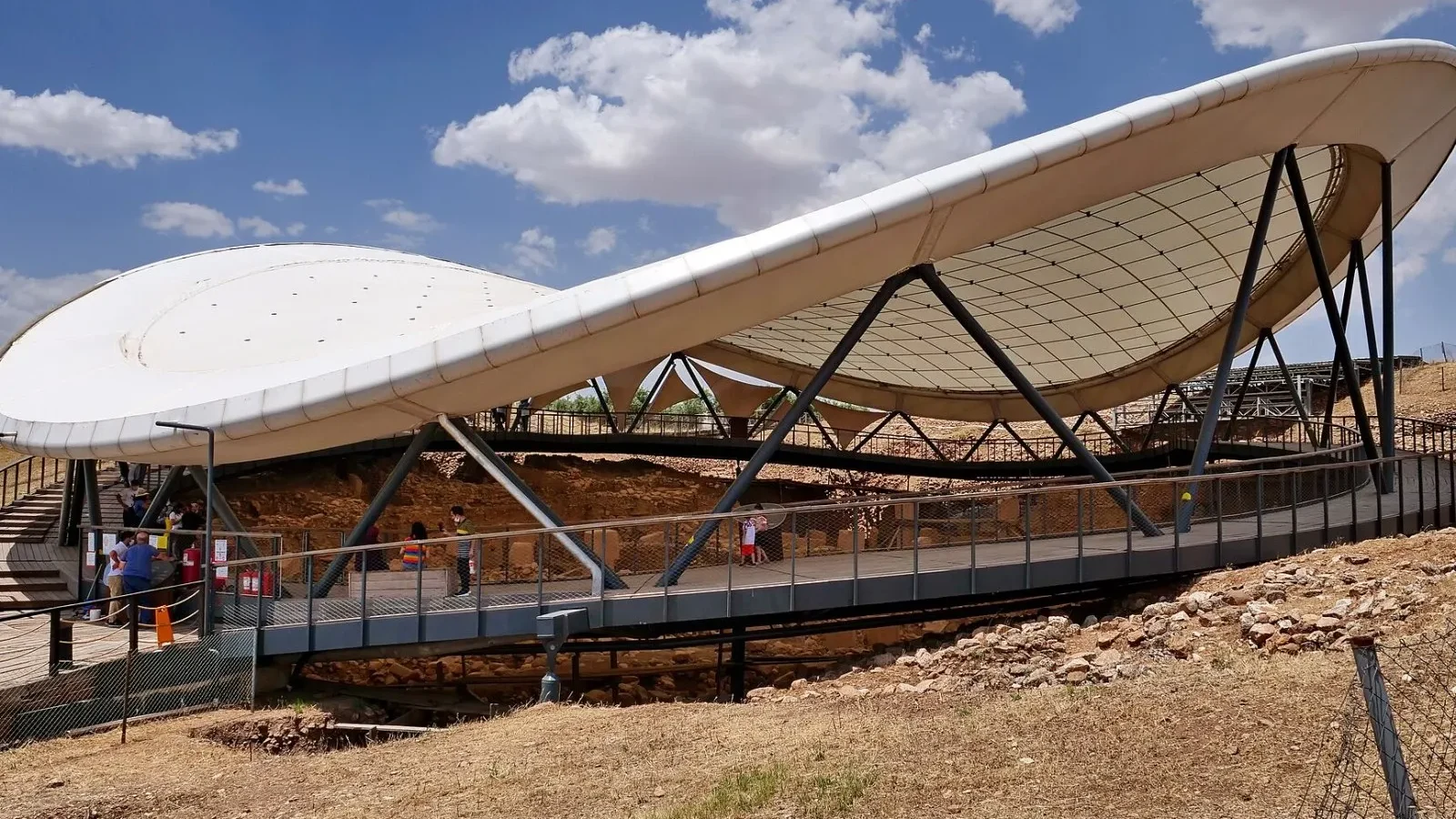
A modern protective roof over the site shields the stones from the weather, while walkways let visitors see the figures from different angles. Our guide explained that the stones were deliberately buried for centuries, which is why they are so well preserved. Toward midday, the angle of the light falling on the pillars made the reliefs especially sharp. Our guide confirmed that these are the best hours for photography enthusiasts.
Standing here, you feel that the first page of history is still being written.
Mark Ellison
What to know before you visit
The first thing to know before you visit is the weather. In summer, the midday heat can be stifling, so coming early in the morning or in the afternoon is more comfortable. Because the site is in the open air, comfortable shoes, a hat and a water bottle are a must. We recommend checking opening hours and museum pass validity in advance.
Staying on the walkways during your visit matters both for protecting the site and for your own safety. Photography is allowed, though tripod use may be restricted in some areas. Guided tours help you better understand the story behind the reliefs. To avoid the crowds, a weekday visit is usually the better choice.
Rounding off the trip at Şanlıurfa's museums
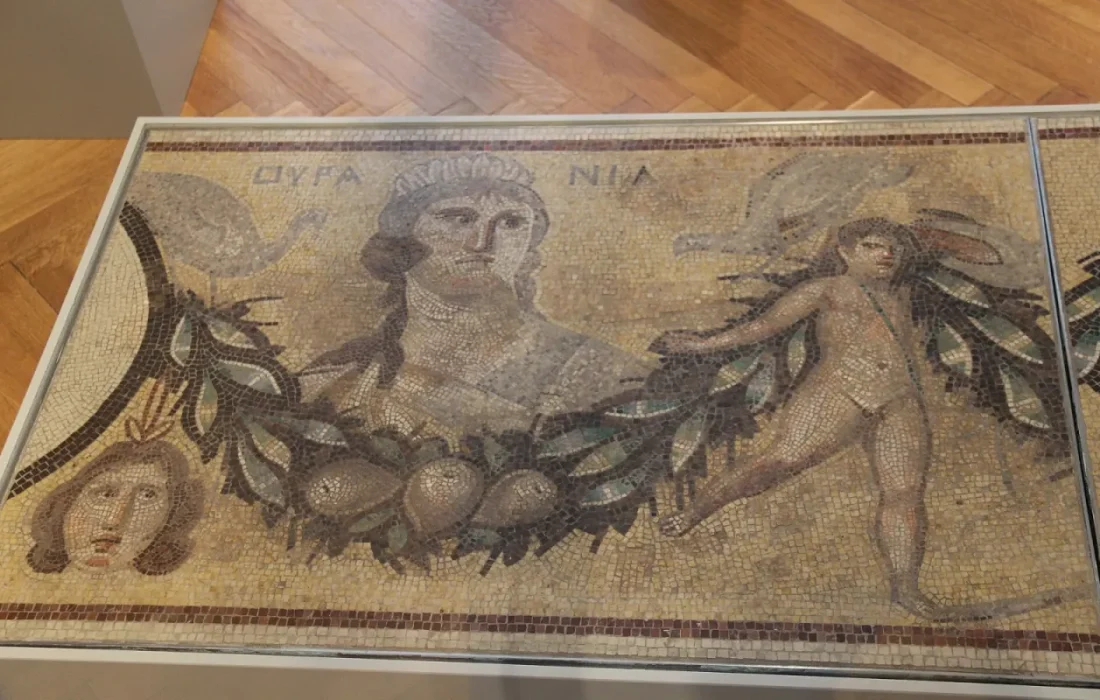
You can round off the trip with Şanlıurfa's museums. At the city's large archaeology museum, you can see some of the finds from Göbekli Tepe along with other prehistoric artifacts from the region. The museum's mosaic hall is astonishing in both size and color. A two-hour visit is enough to shake off the day's fatigue. The museum also has a workshop corner for children, offering families a comfortable place to take a break.
| Topic | History |
|---|---|
| Highlights | archaeology, museum, documentary |
| Reading time | 6 minutes |
| Written by | Mark Ellison |
Key takeaways
- Walkways let you view the animal reliefs on the pillars from different angles.
- Comfortable shoes, water and an early or late visit are recommended.
- Şanlıurfa's archaeology museum is an important stop to complete the route.
Dinner at a restaurant in the city center, near the historic bazaar, is the best way to end the trip with good food and conversation. A short sunset stroll around the sacred fish pools is ideal for unwinding after the day. In our video, you can watch aerial footage of the site and our guide's detailed commentary. Watching it before your visit will give you a sense of what to look out for on site.
Leave a comment