































































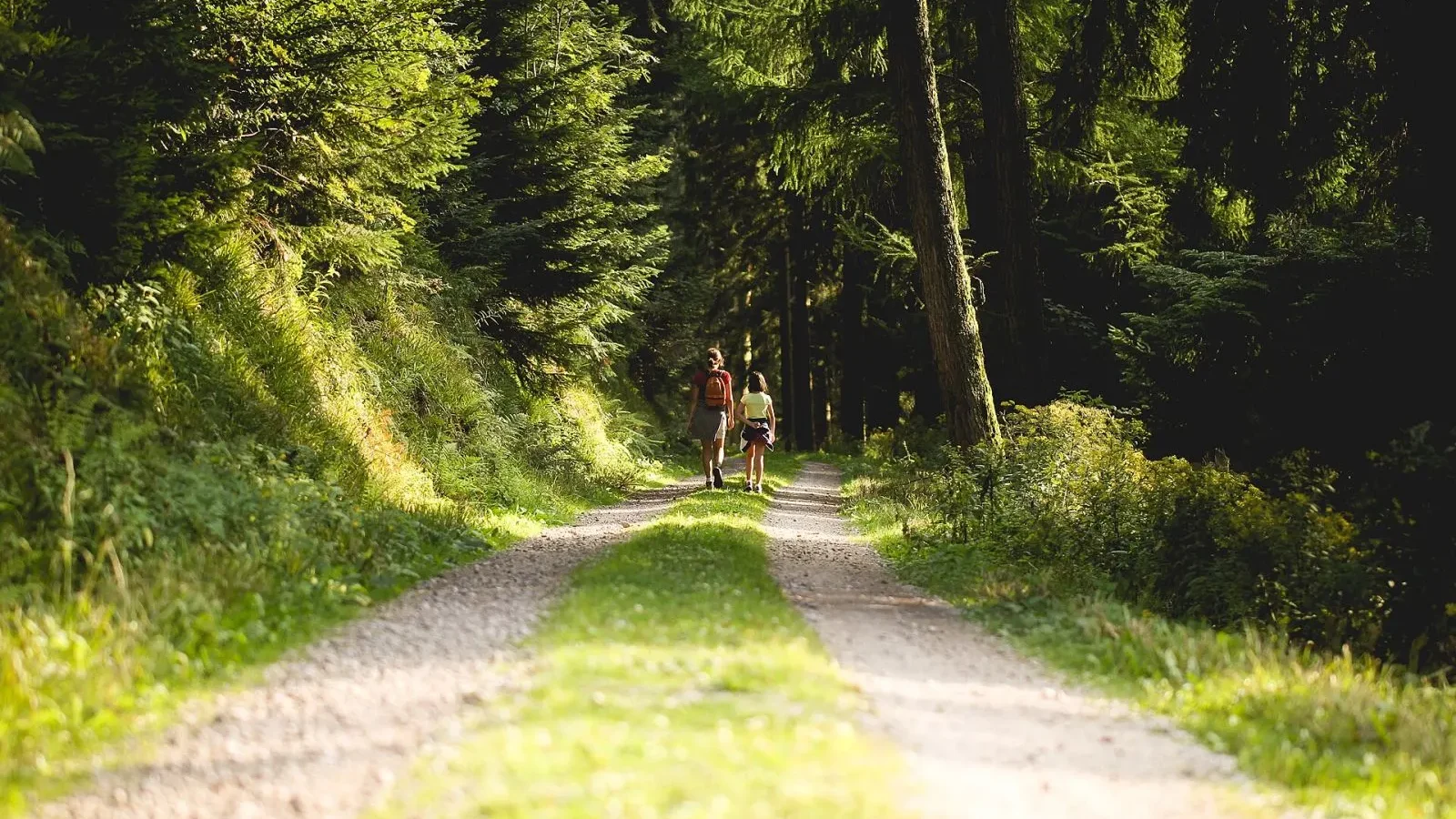
Walking meditation: Rediscovering awareness with every step
If sitting meditation is a struggle for you, walking meditation is a wonderful alternative. We explain step by step how to practice it in the park, on the beach or in your hallway at home.
Table of contents
When we think of meditation, we usually picture someone sitting cross-legged, eyes closed and perfectly still. Sitting meditation can be challenging, though, especially for people who are restless or uncomfortable sitting for long periods. Walking meditation offers them a perfect alternative. Walking slowly while noticing each step, the contact of your feet with the ground and the rhythm of your breath is one of the most natural ways to bring the mind into the present moment.
What is walking meditation?
Walking meditation is like the active cousin of sitting meditation. The goal isn't to get somewhere but to notice the act of walking itself. With every step, you observe your foot lifting off the ground, moving through the air and touching down again. The practice has been used in Buddhist traditions for centuries and today is common in yoga and mindfulness work.
This method is especially suited to people who find it hard to sit still, those looking for a mental reset between short breaks and anyone who wants to connect with nature. In walking meditation, you don't try to change your breath; you simply watch it as it is. Slowness emerges naturally, almost as a side effect of walking. No one is watching you; all you need is to find your own rhythm.

There is nowhere to arrive; every step is already the destination.
Jake Morales
Step-by-step practice
To begin, pick a flat path of twenty to thirty steps: a park, a beach, a garden or the hallway at home. Stand still, take a few breaths and notice your body. Then start walking at a very slow pace, observing the sensations as you lift, move and place each foot. When you reach the end of the path, turn around, take a breath and walk back.
When your mind wanders, and it will, notice the thought without judgment and gently bring your attention back to your feet. Your hands can be clasped in front or behind you, or hang loosely at your sides. Your eyes rest softly on a point near the ground. Five to ten minutes is enough at first; over time, you can build up to twenty. If your balance is poor or the ground is slippery, choose a safe spot.
Bringing it into daily life
You don't need a formal session to bring walking meditation into daily life. On your walk home, you can spend the first five minutes without your phone, focusing only on your steps and the sounds around you. Taking a few mindful steps in a waiting room, on your way to the elevator or as you leave a meeting also counts as a small meditation. These small breaks offer a practical way to ease the busyness of the day and gather your attention.
| Topic | Meditation |
|---|---|
| Highlights | mindfulness, breathing exercise, hiking |
| Reading time | 5 minutes |
| Written by | Jake Morales |
Key takeaways
- In walking meditation, the goal isn't to arrive but to notice your steps.
- A flat path of twenty to thirty steps and five minutes are enough to start.
- Short phone-free stretches on your walk home can be a small meditation too.
Over time, this habit can turn walking from a way of getting around into a break. You can try it as part of your morning routine or after dinner in the evening. What matters isn't doing a perfect meditation but truly being there in the moment. Some days the mind will be restless, and that's a natural part of the practice too.
What do you think about this post?

Leave a comment