
























































From zero to 5K: An eight-week run-walk program
For anyone who has never run before, we created an eight-week starter program that alternates walking and running three days a week.
Table of contents
Many people who want to start running end up out of breath on their first tries and soon give up. Running coach Ben Easton says the most common reason is starting out too fast and too far. Easton's eight-week program offers a gradual approach, three days a week, that alternates walking and running. If you have any questions about your health, we recommend talking to your doctor before you begin.
Weeks one and two: Building a base with walking
In the first two weeks, the goal isn't to run but to make walking a habit. Three days a week, each session lasts thirty minutes: a five-minute warm-up walk, then alternating sixty seconds of easy jogging with ninety seconds of walking, for eight to ten rounds in total. The jogging should be slow enough that you can talk. If you get out of breath, slow down; consistency matters, not speed.
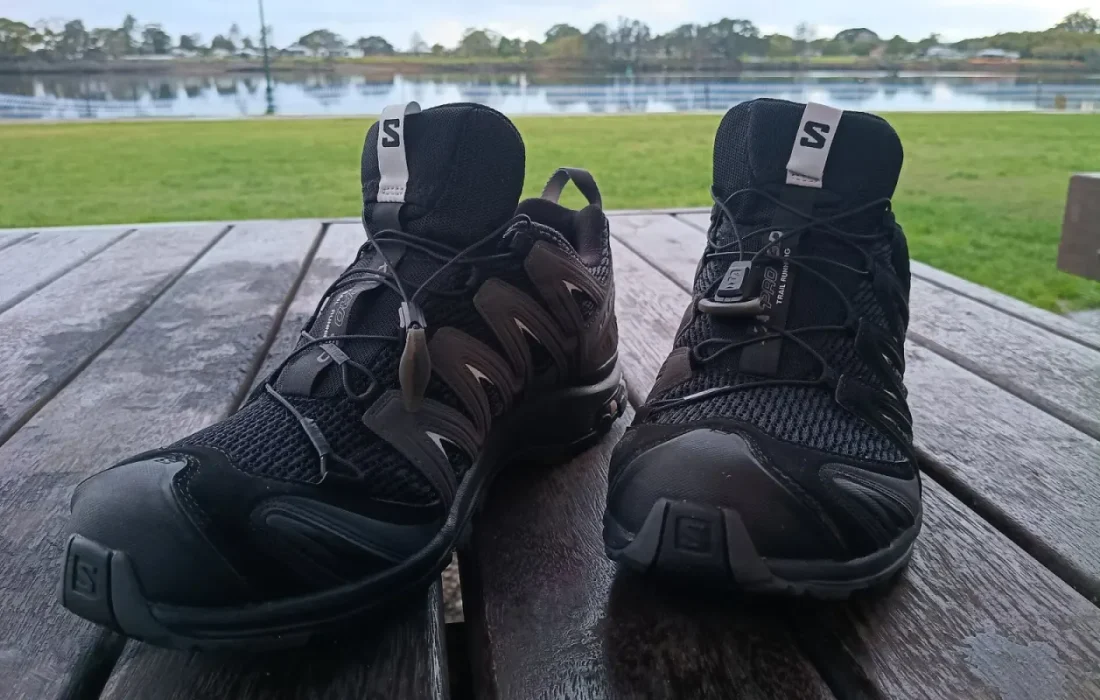
Easton recommends investing in shoes in the first few weeks: a well-fitting, cushioned shoe designed for running can help reduce the risk of injury. Soft surfaces such as dirt trails or parks protect the joints. Resting at least one day between sessions gives your muscles a chance to adapt. This simple preparation helps lower the risk of injury in the first weeks of the program and keeps your motivation up.
Running slowly is still running; what matters is that you keep going.
Mark Ellison
Weeks three to six: Lengthening the running intervals
From week three to week six, the running intervals gradually get longer. In week three, you run for three minutes and walk for a minute and a half; in week four, you run for five minutes and walk for three. By week five you reach eight-minute running segments, and by week six, ten-minute ones. The time added each week is small, which makes it easier for the body to adapt.
If you can't complete a week, don't panic; repeating the same week is perfectly normal. If you have ongoing pain in your knees, shins or the soles of your feet, take a break from the program and consult a professional. Don't neglect drinking water and sleep. Training with a friend or a local running group can boost motivation.
The final two weeks: Your first 5K
In the final two weeks, the goal is to work up to thirty minutes of nonstop running. Week seven calls for twelve- to fifteen-minute blocks, and week eight for twenty-five to thirty minutes of continuous running. Keeping your pace under control is very important at this stage; running slowly and finishing the distance beats starting fast and stopping halfway. Reaching this stage is the reward for your patience in the early weeks, and reason enough to be proud of yourself.
| Topic | Running & Walking |
|---|---|
| Highlights | running, beginners, movement |
| Reading time | 8 minutes |
| Written by | Mark Ellison |
Key takeaways
- The program alternates walking and running three days a week.
- Keeping the time added each week small makes it easier for the body to adapt.
- If pain persists, take a break and consult a professional.
When you finish your first 5K, celebrate: a coffee, a new pair of socks or an easy walk. After that, you can repeat the same distance, slowly increase your speed or set your sights on a 10K. Listen to your body at every stage. People with chronic illnesses, those who have been inactive for a long time or older adults should talk to a doctor before starting the program.
What do you think about this post?

Leave a comment