





























































Unlike fast, dynamic flows, yin yoga is a calm practice in which poses are held patiently for several minutes. It can feel wonderful for shoulders hunched against the cold, hips stiff from sitting and a tired back. In this thirty-minute sequence, our yoga instructor Ella Grant suggests poses supported by household items such as cushions and blankets. She reminds you not to force your body in any pose and to go only as far as feels comfortable.
What is yin yoga?
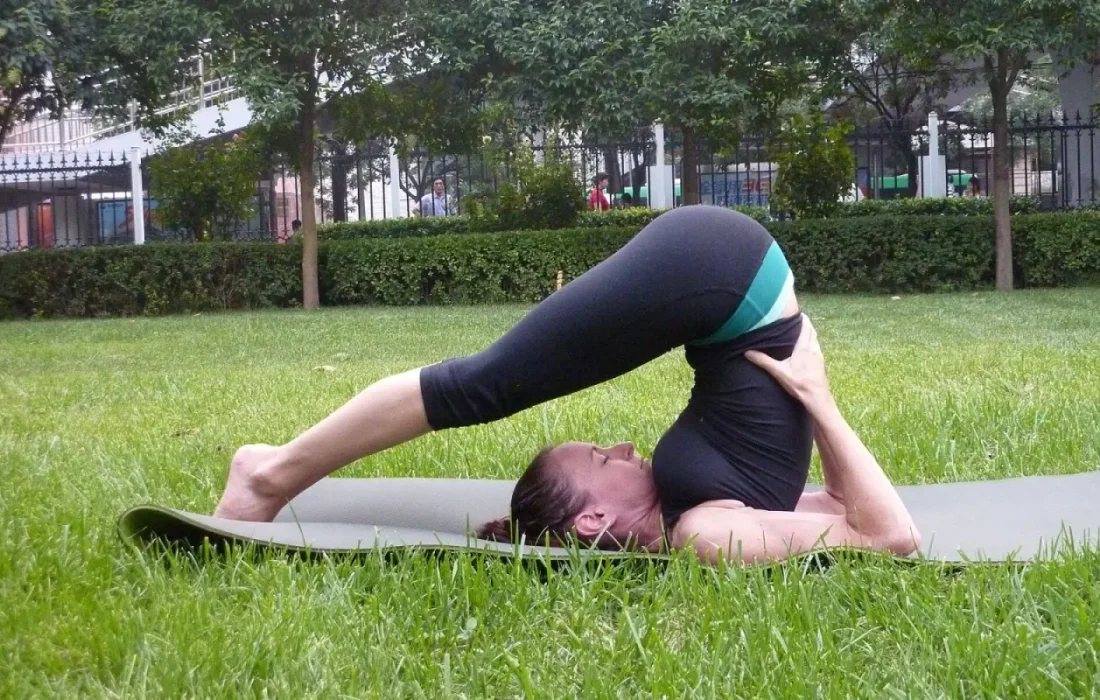
Yin yoga is the slowest branch of yoga. Poses are done on the floor, mostly sitting or lying down, and each one is held for three to five minutes. The aim isn't to work the muscles but to gently lengthen the connective tissue and the areas around the joints. This calm pace is like a pause after fast flows. The mind may grow impatient at first, but over time it settles into the breath and the body.
Ella Grant describes the sensation you should feel in yin yoga as “comfortable tension.” If you notice a sharp or burning pain, you should come out of the pose. Cushions, folded blankets and yoga blocks support the body; even books at home can stand in for blocks. This practice is tailor-made for quiet evenings and cold winter days.
The goal in yin yoga is not to go further but to be able to stay where you are.
Sophie Laurent
Hip-opening poses
Three hip-opening poses stand out in the sequence. The first is butterfly pose: you bring the soles of your feet together, let your knees fall to the sides and fold your torso forward. The second is a cushion-supported version of pigeon pose. The third is thread-the-needle, in which you lie on your back and place one ankle on the opposite knee. You stay in each for four to five minutes, keeping your breath long.
Hips stiff from long hours of sitting may resist in the first few tries. So use cushion support generously; if your knees sit higher than your hips, it's a good idea to put something underneath. Don't rush coming out of a pose; gently rock your body first, then let go. If you have a health issue with your knees or hips, it's best to get advice from a professional before practicing.
Gentle twists for the back
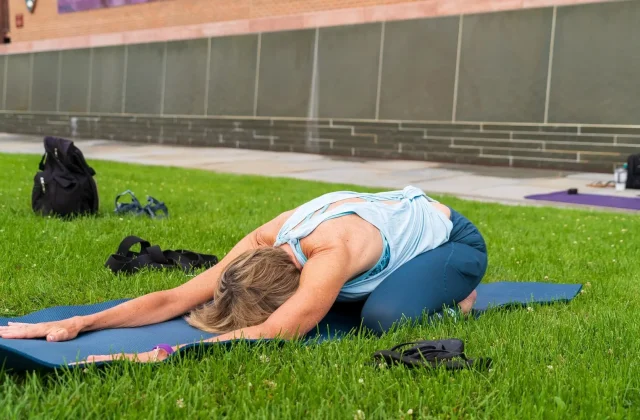
The sequence ends with three gentle twists for the back: a gentle supine twist with your knees lowered to one side, a spinal twist with your arms open and your head turned the other way, and a cushion-supported child's pose. In each pose, the muscles that rotate your body slowly relax. Letting go a little more as you exhale softens the whole feeling of the pose.
| Topic | Yoga |
|---|---|
| Highlights | stretching, evening routine, winter |
| Reading time | 5 minutes |
| Written by | Sophie Laurent |
Key takeaways
- In yin yoga, poses are held gently, with support, for three to five minutes.
- Cushions and blankets make hip and back poses more comfortable.
- If you feel a sharp pain, come out of the pose immediately.
We recommend a five-minute rest at the end of the sequence. Cover yourself with a blanket and lie on your back; dim the lights and have a mug of herbal tea ready. When yin yoga becomes part of your evening routine, it can make it easier to drift off to sleep. Setting aside these thirty minutes two evenings a week can be a lovely way to settle into winter's slower pace.
What do you think about this post?

Leave a comment