























































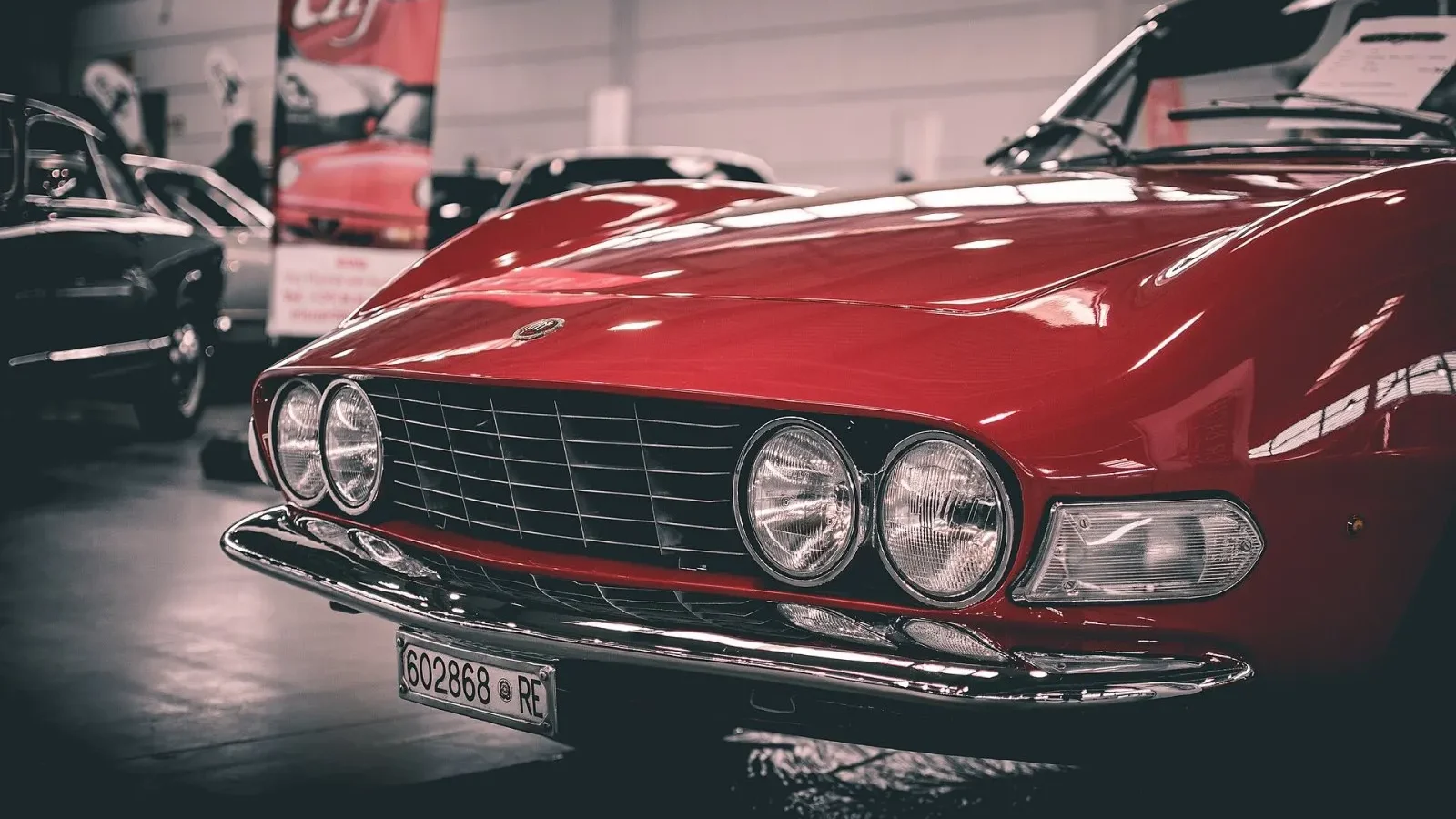
Garage Talk: the finer points of classic car restoration
In the latest episode of our podcast series, we talk patience, passion and parts hunting with a restorer who brings 40-year-old classics back to the road.
Table of contents
In this episode of Garage Talk, our guest is Harold Whitman, who has been restoring classic cars for more than 30 years. Whitman talks candidly about how a rusted shell is transformed into a gleaming car again, the contacts he has built with collectors abroad to track down original parts, and the unique story behind every project. It's an episode no classic car enthusiast should miss. We also try to answer the question of whether a classic car is really an investment.
Where do you start a restoration?
According to Harold Whitman, every restoration starts with documenting the car from start to finish, like a photo album. Before a car that arrives at the workshop is dismantled, it is photographed from every angle and the positions of screws, wiring and panels are noted. Months later, when the parts go back on, this archive is the biggest help of all. That way the location and condition of every part are clearly recorded, so there are no surprises later.
Next comes the body inspection. Whitman explains that rust can go much deeper than it looks, so welded joints and floor pans must always be checked. Finding out about rust before buying a classic is the easiest way to avoid big bills later. Most rushed projects end up unfinished.
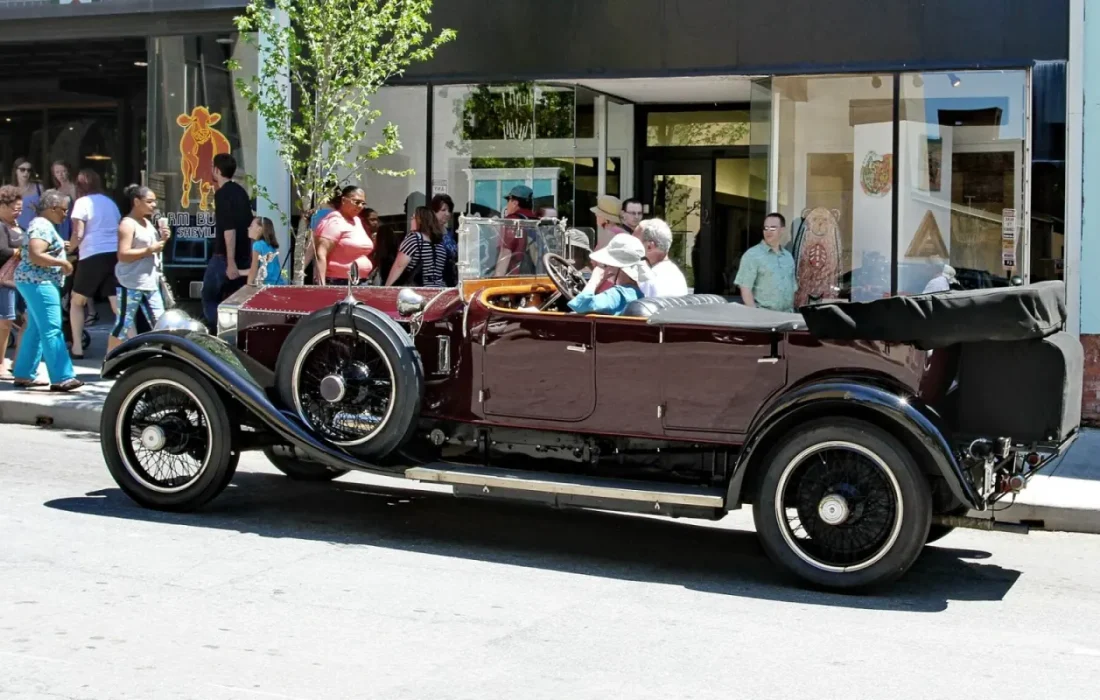
Every classic car carries its owner's memories along with it.
Sarah Bennett
The challenge of finding original parts
The hunt for original parts was one of the most colorful parts of our conversation. Whitman combines parts he sources from abroad through the network of collectors he has built over the years with rare spares found at shows and swap meets. Sometimes you have to wait months for a headlight bezel or, if no spare can be found, remake it by hand.
The process takes patience, even a kind of detective work, because small changes may have been made to the same model across different years. Whitman stresses the importance of using old catalogs and factory documents to find the right part. He also warns against poorly made reproduction parts, because a part that spoils a car's character can seriously lower its value.
Is a classic car an investment?
Whitman is cautious about whether a classic car is an investment. He accepts that some models appreciate over time, but says this is not guaranteed and that maintenance, insurance and storage costs must also be factored in. For him, a good classic is a passion first and only maybe a store of value. That perspective made for the most balanced and realistic part of the conversation.
| Topic | Brands |
|---|---|
| Highlights | classic car, used cars, restoration |
| Reading time | 3 minutes |
| Written by | Sarah Bennett |
Key takeaways
- Restoration starts by documenting every detail of the car before it is taken apart.
- A network of collectors and old catalogs are key to finding original parts.
- A classic car isn't guaranteed to appreciate; passion comes first.
As a general rule, he says, cars with a high degree of originality, complete paperwork and good preservation find buyers more easily. Still, he recommends that every purchase be based on personal budget and expectations, and that those buying as an investment get support from an independent appraiser. Whitman ends the conversation by saying a classic's real value lies in taking it out on the road and driving it.
What do you think about this post?


Leave a comment