




























































From fiberglass pioneers to licensed sedans: the unforgettable classics of our roads
Yesterday's family cars are today's collector favorites. We've gathered the stories of the first locally built cars and why they are prized as classics today.
The country's mass-produced car story began in the sixties with the first fiberglass-bodied models. Under the economic conditions of the time, these cars were what families dreamed of, and they feature in countless memories, from holiday visits to summer vacations. In the seventies, sedans built under license became a fixture on the roads for many years. Today, well-preserved examples of these cars are in great demand among collectors and nostalgia lovers. We've gathered the stories of the unforgettable classics of our roads for you.
In this article
- First steps with fiberglass bodies
- A generation's family cars
- Collectors' new favorites
First steps with fiberglass bodies
The idea of mass-producing cars in the country was born in the sixties as part of a dream of industrialization. The first locally built models used fiberglass bodies, which were durable, light and easy to produce. Because the material didn't require investment in metal presses, it allowed production even in small workshops. That approach was a very clever solution for the conditions of the time.
The resulting cars were designed to withstand the harsh conditions of the country's roads. A simple interior, reliable mechanicals and an easy-to-repair design were the priorities. For many families, these models were their first car and were greeted with curiosity and pride in the neighborhood streets. Advertising posters from that era are still kept with nostalgic affection.
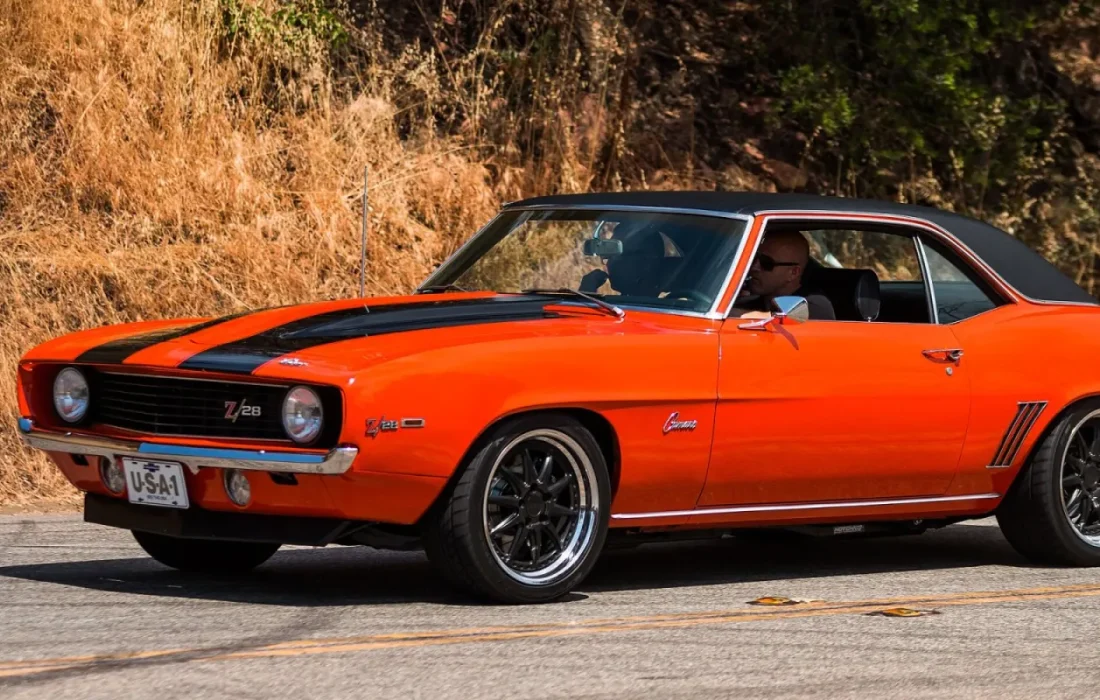
These cars were the first tangible step in a nation's industrial dream.
Sarah Bennett
A generation's family cars
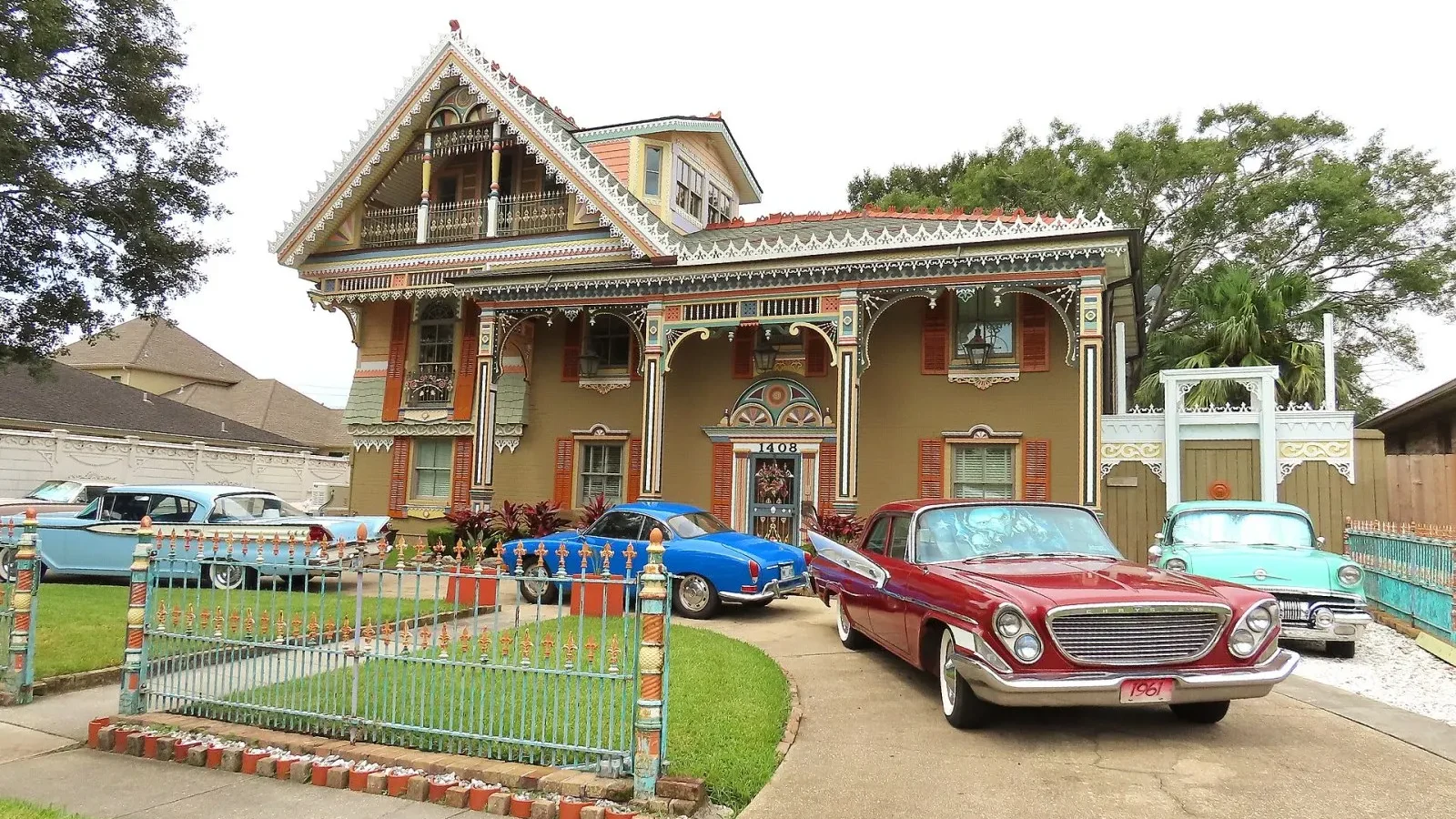
In the seventies, sedans built under license brought the family car within reach of ordinary households. Holiday visits, summer vacations and Sunday drives all took place in these cars. Suitcases strapped to the roof, kids squeezed into the back seat and songs playing on the radio are shared memories for many. These cars are still remembered today with nostalgic respect.
A widespread service and parts network kept these cars on the road for a long time. Neighborhood mechanics could often fix a fault the same day. That convenience also allowed each car to have its own very different life story. When we see one on the street today, we still smile. As a result, the cars' service lives were also extended considerably.
Collectors' new favorites
Today, well-preserved examples are prized pieces for collectors and nostalgia lovers. Solid survivors of the first fiberglass models in particular are rare, so they draw a lot of attention at shows. Original paint, upholstery and paperwork are among the most important factors in determining value. That rarity also has a marked effect on prices.
| Topic | Classic Cars |
|---|---|
| Highlights | classic car, homegrown car, restoration |
| Reading time | 9 minutes |
| Written by | Sarah Bennett |
Key takeaways
- The first locally built cars used light, durable fiberglass bodies.
- Licensed sedans of the seventies made the family car commonplace.
- Original paint, upholstery and paperwork determine collector value today.
Young collectors have also started to take an interest in these cars. Thanks to parts networks and social media communities, finding parts is easier than it used to be. Restoration projects often turn into a joint family effort. These cars live on in memory as the first tangible steps in a nation's industrial dream. That interest shows the story is being passed on to new generations.
What do you think about this post?

Leave a comment