






























































A weekly planning ritual: set up your week in half an hour on Sunday evening
If you're tired of starting the week in a muddle, a half-hour planning ritual on Sunday evening might help. We show you the steps in this video.
Sitting down at your desk on Monday morning without knowing where to start can drag down the pace of the whole week. Productivity consultant Alice Grant says a half-hour planning ritual on Sunday evening keeps that muddle at bay. The ritual starts with a brief review of the past week and continues with setting the week's three big priorities. In our video, Grant walks through the process step by step with a paper planner and a simple calendar app.
In this article
- A quick look back at last week
- Three big priorities
- Leaving gaps in the calendar
A quick look back at last week
The first step of the ritual is a five-minute honest look back at the past week. Alice Grant suggests opening last week's pages in your paper planner or calendar app and asking three questions: What got done, what was left unfinished and what took unexpectedly long? The answers keep you realistic when planning. Grant recommends writing these notes as a single line in a corner of the planner and rereading them every Sunday.
This review isn't a blame session. Grant stresses that most of what doesn't get done comes not from weak willpower but from unrealistic time estimates. Noting in one sentence why unfinished tasks stalled keeps you from repeating the same mistake the following week. This part takes only five minutes in the video and lays the groundwork for the next step.
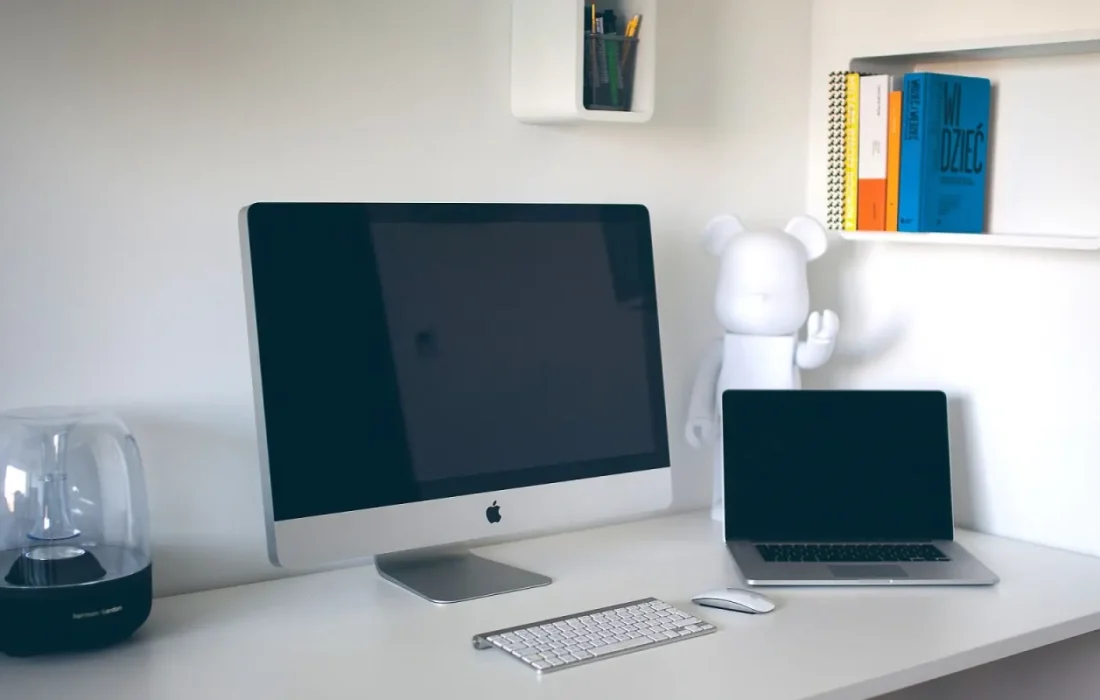
A good plan isn't about filling every hour; it's about making room for what matters.
Jake Morales
Three big priorities
The second step is choosing the week's three big priorities. Instead of a to-do list with dozens of items, Grant suggests setting just three: three outcomes you'll be happy with at the end of the week. There will be other tasks, of course, but these three come before everything else and go into the calendar first. Each priority is written in a single, measurable sentence.
In the video, Grant shows step by step how she lays out these three priorities in her paper planner and calendar app. She estimates the time each priority needs and places the relevant blocks in her most productive hours. Small tasks that fall outside the priorities she notes to one side, to be handled together at a set time during the week.
Leaving gaps in the calendar
Leaving gaps in the calendar is the most often skipped yet most valuable part of the planning ritual. Grant recommends leaving at least one free hour each day. That window is reserved for unexpected work, meetings that run long or simply catching your breath. A packed calendar looks impressive on paper, but it collapses completely at the first setback.
| Topic | Productivity |
|---|---|
| Highlights | productivity, minimalism, remote work |
| Reading time | 5 minutes |
| Written by | Jake Morales |
Key takeaways
- A five-minute honest look back at last week lays the groundwork for the plan.
- Setting just three priorities improves focus and realism.
- Leaving an hour free each day gives the plan flexibility.
In the last minutes of the ritual, Grant takes a quick look over the plan and decides on the week's first task. Knowing what you'll start on, when and where on Monday morning lets you begin the day without resistance. At the end of this half-hour of preparation, your desk, calendar and mind are in light order. Grant suggests trying the ritual for four weeks and then adapting it to your own needs.
Leave a comment